
Summary
Unlock the health potential of your cocoa. By focusing on the intense power of cocoa solids, this article explains how to navigate the chocolate aisle to find treats that are satisfying and also support health goals.
It’s the time of year that many of us reach for chocolate treats and when we do, it might be a good idea to think about the health impact of the sweets we so adore. For did you know that some chocolate can be healthy, but this entirely depends upon the ratio of three ingredients found in chocolate: cocoa solids, cocoa butter, and sugar?
As we head into a long weekend often defined by confectionery, understanding these differences is the key to balancing pleasure with wellness.
The chocolate spectrum: composition matters

While all chocolate begins with the ancient cacao bean, not all kinds of chocolate are equal. It’s the processing that defines the final product’s impact on your body.
Dark Chocolate: Defined by its high concentration of cocoa solids (usually 70% to 90%). This is the only variety considered a “functional food” due to its nutrient density.
White Chocolate: This delicious treat contains cocoa butter, sugar, and milk solids, but zero cocoa solids. It lacks the phytonutrients that provide health benefits. Unfortunately, it’s essentially sweetened fat. It lacks the cardiovascular benefits of its darker cousins and is highest in calories and sugar.
Milk Chocolate: The most popular variety, containing between 10% and 50% cocoa solids mixed with heavy amounts of sugar and milk, providing a small amount of calcium due to the milk content.
Health Benefits and Risks: A Comparison
| Type | Primary Benefit | Primary Risk |
| White | Caffeine-free; high energy. | High glycemic index; high saturated fat. |
| Milk | Palatability; small calcium boost. | High sugar; may trigger inflammation. |
| Dark | High in antioxidants and minerals. | Calorie dense; contains caffeine. |
The obvious risk associated with white and milk chocolates is their high sugar content. Frequent consumption can lead to rapid spikes in blood glucose, contributing to insulin resistance over time.
Furthermore, research published in The American Journal of Clinical Nutrition suggests that the milk proteins in these chocolates may inhibit the absorption of the few antioxidants that are present, effectively neutralizing potential benefits.
The dark chocolate advantage: why the percentage matters
If you want to understand why your favorite dark chocolate bar is considered a “superfood” while its milky counterparts are just candy, you have to look at the cocoa solids.
In the world of premium health and nutrition, cocoa solids are the non-negotiable ingredient that separates a sugar bomb from a heart-healthy indulgence.
What exactly are cocoa solids?
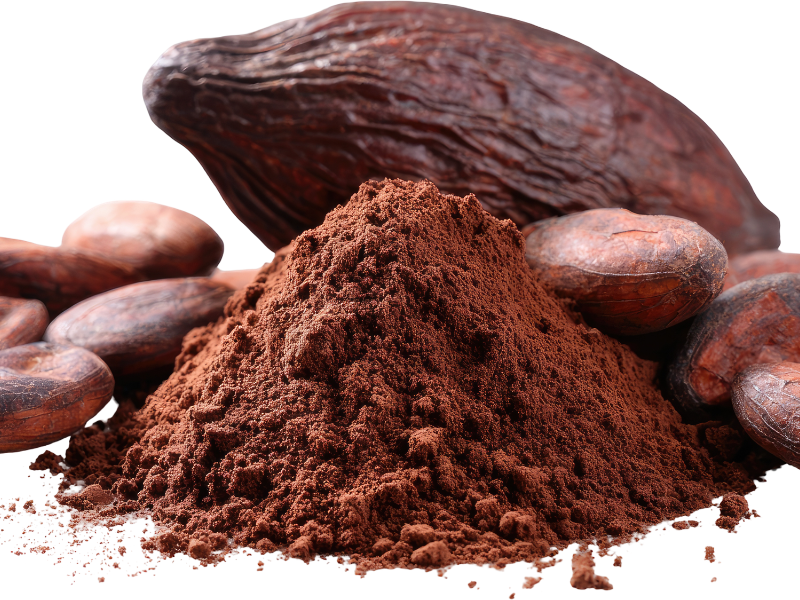
Think of the cacao bean as a duo: it’s composed of cocoa butter (the fat) and cocoa solids (the nutritional powerhouse). To create the intense flavor profile we crave, the fat is extracted, leaving behind a dark brown, concentrated mass.
Whether found as a fine, mahogany-colored powder or a dry, crumbly mass, cocoa solids are the pure essence of the bean. They are notoriously bitter and deeply intense, often carrying sophisticated notes of dark fruit and toasted earth. While you might know them simply as “cocoa powder,” in the industry, these solids are the gold standard for quality.
Insider Tip: Aim to eat no more than 1 to 2 ounces (30 to 60 grams) of dark chocolate a day. Enjoying this amount of high-quality, 70% or higher cacao dark chocolate can provide heart and brain health benefits without excessive calorie, sugar, or fat intake.
The connection to your dark chocolate
This is where the math of your health comes in. When you see a label that says 70% Dark Chocolate, that percentage represents the total amount of the cacao bean used. Most of that figure is comprised of these potent cocoa solids. The higher the percentage of solids, the lower the room for sugar and fillers. Here’s the health logic:
✅ The solids are the exclusive home of flavanols and polyphenols, which helps relax blood vessels, improve blood flow, and may lower blood pressure.
✅ Cocoa contains stimulants like caffeine and theobromine, but its real power lies in brain blood flow. Studies cited by Harvard Health indicate that the flavanols in dark chocolate can improve attention, memory, and even mood by boosting serotonin levels.
✅ High-percentage dark chocolate is surprisingly nutritious. A 100-gram bar of 70%–85% dark chocolate contains:
- 11g of fibre
- 67% of the DV for iron
- 58% of the DV for magnesium
Not all chocolate is created equal. While white and milk chocolates are totally satisfying for an occasional sugary hit, they offer little in the way of biological rewards. Dark chocolate, specifically that which is 70% cocoa or higher, provides a legitimate boost to heart and brain health while satisfying a craving.
This weekend, as you choose your treats, re-think the sugar-laden fillers. For a treat that loves you back, reach for the dark chocolate.
~ Read more from The Health Insider ~
- Leafy Greens Ranked For Top Health Benefits
 Explore our definitive ranking of Canadian summer greens. Learn the health benefits of local arugula, spinach, chicories & more.
 - Healing Honey: The Health Benefits Are Sweet
 Learn about the health benefits of honey and how it boosts wellness, calms coughs, and why hospitals use medical-grade honey for healing.
 - What’s Actually in Your Groceries? A Canadian Guide to Reading Food Labels
 Decode Canadian food labels with ease. Learn how to spot hidden ingredients and understand Health Canada’s new front-of-package warning symbols.
 - Which Cooking Oil Should You Actually Be Using? A No-Nonsense Guide
 Not sure which cooking oil to use? Learn the truth about smoke points, health benefits, and the three essential bottles to keep in your kitchen.
 - The Green Mediterranean Diet: Boost Your Metabolic Health
 Swap red meat for green polyphenols to reshape your gut bacteria, drop liver fat, and supercharge your metabolic wellness.
 - The 5 Nutrients Canadians Are Most Likely Missing and How to Get Them Through Food
 Up to 40% of Canadian adults may be nutrient deficient without knowing it. Here’s what’s missing and how to fix it through food and supplements.
The information provided on TheHealthInsider.ca is for educational purposes only and does not substitute for professional medical advice. TheHealthInsider.ca advises consulting a medical professional or healthcare provider when seeking medical advice, diagnoses, or treatment. To read about our editorial review process click here.