Summary
Heel2Toe is a small wearable that gives auditory feedback to seniors, training them to walk heel-to-toe. By improving gait, it reduces fall risk, increases mobility, and boosts confidence. Lightweight and easy to use, it supports independent use or guided therapy, helping older adults maintain autonomy and stay active safely.
For many older adults, even a simple walk down the hallway can feel risky. But for 81‑year‑old Tamila Barab, that changed when she clipped on a small wearable device called Heel2Toe, developed by Montreal‑based startup PhysioBiometrics Inc.
“When I walk now, I’m conscious of going from heel to toe – I hear that voice in my head,” she said. “I find walking much easier this way, and I have more confidence in my walking.”
A Simple Step With Big Impact
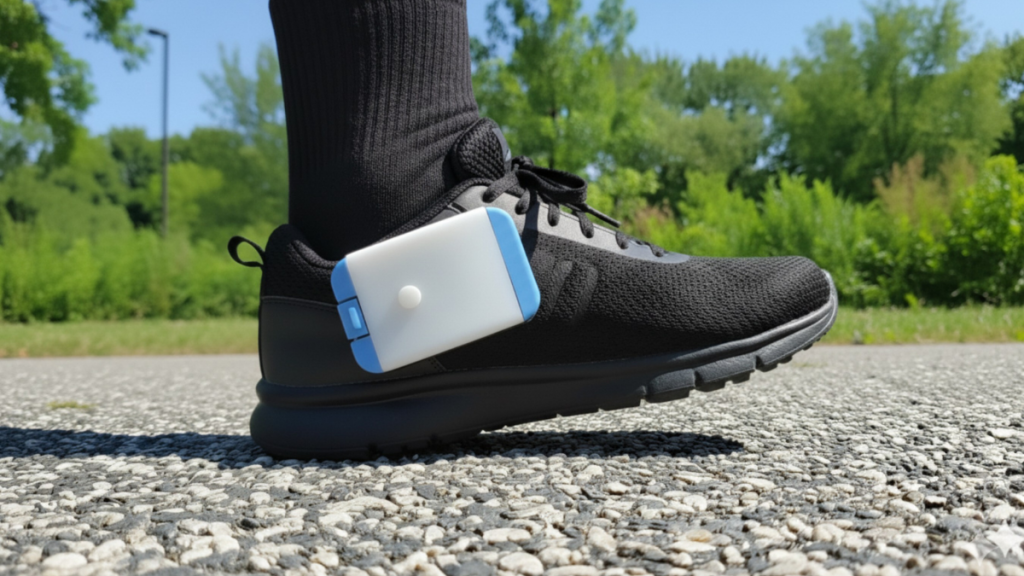
Heel2Toe attaches easily to the side of a shoe and gives a gentle beep each time the user begins a step with a strong heel strike. That immediate auditory feedback trains the brain to repeat the correct gait, eventually building the pattern even when the device isn’t worn.
Founder and CEO Dr. Nancy Mayo explains: “Many older adults do not walk well enough to gain health benefits from walking. Out of a fear of falling or low confidence in their walking, they often change their gait and take little shuffling steps that increase their fall risk.”
“Heel2Toe is a game-changer for helping older adults age well because when your gait is better, you can walk farther. By intervening early enough to correct poor gait, older adults reduce fall risk, increase physical activity, improve joint and muscle health, and ultimately stay in their homes longer,” she said.
Why It Matters
Falls remain the leading cause of injury-related hospitalizations among Canadian seniors. Between 20% and 30% of older adults fall each year, though most do not experience injury.
In 2017–2018, 5.8% of Canadians aged 65 or older living in households reported a fall-related injury; however, when falls occur, women and adults aged 80+ are more likely to be injured than those aged 65–79. Most fall-related injuries (61%) occurred while the person was walking. Older women are more likely than men to experience these injuries. It is likely due to postmenopausal bone loss, lower limb strength differences, and a higher prevalence of chronic conditions.
The economic and personal cost of falling can be high, from fractures to joint injuries to reduced independence and confidence. Inside the aging population trend, by 2030, it’s projected that about 22–23 % of Canadians will be aged 65 or older. Tools that help maintain mobility and autonomy after a fall or to prevent falls are increasingly urgent.
Backed By Evidence
Early pilot studies show promising results. In a recent trial of adults with Parkinson’s disease, 13 of 14 participants using Heel2Toe for home training improved their walking capacity on the six‑minute walk test, while none of those in the exercise‑only group did. Participants also report real‑life benefits.
Easy To Use At Home Or With A Therapist
Lightweight and simple to attach, Heel2Toe supports both independent use and guided therapy. Users can follow instructional videos, consult a guidebook and monitor progress via a web‑based dashboard.
Recommended practice is just six minutes, twice daily, a focused but manageable routine. The device is now available worldwide through Shopify as a Class I medical device, priced at $150.
It is not covered by public health insurance in Canada, though some users may have private insurance coverage. Seniors should check with their provider before purchasing. It was developed in partnership with McGill University’s Biomedical Engineering Department and supported by Canada’s AGE‑WELL network.
What’s Next
As wearable tech meets evidence‑based therapy, Heel2Toe points to a future where walking isn’t just functional, it’s safe, confident and empowering. For our oldest population who want to get back to real strides, not shuffle steps, it offers a promising new tool.
~ Read more from The Health Insider ~
- Heart Failure Isn’t Just for the Elderly and Canadians Need to Know It
 Heart failure cases are surging among younger Canadians and 4 in 10 of us don’t even know what the condition is.
 - The Goldilocks Zone: How Often You Poop May Be An Important Indicator of Your Health
 How often you poop may predict more than just comfort. Learn why 1–2 bowel movements daily may mean that your heart and kidneys are safer from toxic bacterial byproducts.
 - Small Particles, Big Risk: What the Latest Science Says About Microplastics and What You Can Do
 Canadians discard nearly 5 million tonnes of plastic a year and the microplastics that result are showing up in our blood, lungs, and placentas.
 - Magnesium: The Science-Backed Guide To This Vital Mineral
 From heart health to bone density, we break down the clinical reasons to prioritize magnesium and when it is time to supplement.
 - Aerosol Spray Warnings. Is Benzene Contamination a Real Concern?
 From dry shampoo to sunscreen, some aerosol sprays may contain benzene. Learn the risks, recalls, and what Canadians should know.
 - Canada’s Doctors Are Sounding the Alarm on Health Misinformation And They’re Exhausted
 97% of Canadian doctors have had to intervene after patients acted on false health information. The CMA says the crisis demands urgent action.
The information provided on TheHealthInsider.ca is for educational purposes only and does not substitute for professional medical advice. TheHealthInsider.ca advises consulting a medical professional or healthcare provider when seeking medical advice, diagnoses, or treatment. To read about our editorial review process click here.