
When you buy through our links, we may earn a commission. Learn More.
For millions of Canadians, the first signs of spring bring more than just budding flowers and warmer breezes. It also brings the dreaded condition we know colloquially as Hay Fever, which the medical community knows as Allergic Rhinitis. Despite the name, it rarely involves hay and never causes a fever. Instead, it is an overzealous immune response to microscopic pollen grains hitching a ride on the wind.
As climate change extends the growing season across the provinces, understanding how to fight back is no longer just a matter of comfort, it’s a matter of quality of life.
Canada’s three waves of seasonal allergies
Allergy season in Canada isn’t a single event; it’s a three-act play. Depending on where you live, your symptoms are likely to fall into one of these categories:
- The Tree Wave (March – June): This is the first hit. Birch, Maple, Oak, and Alder are the primary culprits. In British Columbia, this can start as early as February, while the Prairies and Atlantic Canada see it peak in May.
- The Grass Wave (June – July): Just as tree pollen settles, the grasses take over. Timothy, Bluegrass, and Orchard grass are the main triggers for that mid-summer itch.
- The Weed Wave (August – October): Ragweed is the undisputed king of fall allergies, particularly in Ontario and Quebec, where a single plant can produce up to a billion grains of pollen per season.
Watch Dr. Mariam Hanna, assistant clinical professor in the Department of Pediatrics at McMaster University explain what you need to know about late summer and fall allergies in the video below.

Medicinal Treatments
If your symptoms are interfering with sleep or work, modern medicine offers several tiers of defense. The first is non-drowsy antihistamines, which are second-generation over-the-counter antihistamines like Claritin and Reactine.
They block the histamine response without the heavy sedation of older drugs. For those who suffer from allergies in the eyes, drops such as Claritin Allergy Eye Drops or Visine Advance with Antihistamine Allergy can provide relief.
For those dealing with heavy nasal congestion, over the counter nasal corticosteroids sprays like Flonase are considered the “gold standard.” They work by reducing inflammation directly in the nasal passages.
If over the counter options fail, Canadian allergists often recommend immunotherapy. These come in the form of “allergy shots” or sublingual tablets. This process slowly desensitizes your immune system to specific allergens over several years.
Non-medicinal defense
You can significantly reduce your pollen “load” by making small shifts in your daily routine:
- Pollen counts are typically highest between 5:00 AM and 10:00 AM. If possible, save your outdoor exercise for the evening.
- Treat your home as a sanctuary. When you come inside, leave your shoes at the door, change your clothes and shower and wash your hair before bed to avoid rubbing pollen into your pillow.
- Use a High-Efficiency Particulate Air (HEPA) filter in your bedroom and keep your windows closed during peak season. Let your AC do the cooling instead of the breeze.
- If you experience eye allergies, wear sunglasses during allergy season to protect the eyes, and avoid using window fans because they can bring pollen inside. Wash bedding frequently and use a damp cloth or mop instead of sweeping or dusting. Avoid rubbing your eyes because this can worsen swelling and lead to infection. If you need to touch your eye, wash your hands first.
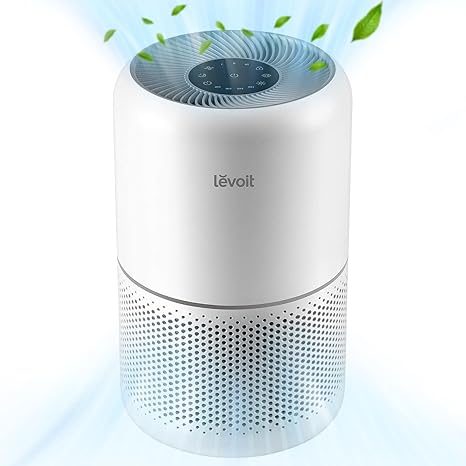
The LEVOIT Air Purifier ensures fast, effective air cleaning with energy-efficient performance. Cleans rooms up to 1,073 ft² with the original filter. Ideal for home, bedroom or office.
Home recipes for seasonal allergy relief
While no food is a “cure,” certain natural approaches are backed by science to help soothe the inflammatory response.

1. Nasal Rinse
Rinsing out your nasal passages is the most effective home remedy for physically removing pollen from your irritated nose.
- The Water: The easiest and safest water to use is distilled water that you purchase at the store.You can also use tap water that has been boiled for at least 1 minute (or 3 minutes at high altitudes) cooled to lukewarm. If you use filtered water, make sure it has beenpassed through a filter designed to remove parasites, labeled as “NSF 53” or “NSF 58” (1 micron or smaller).
- The Mix: A standard recipe is 1 tsp non-iodized salt (pickling or kosher salt is best), 1 tsp baking soda, and 2 cups distilled/boiled water. If the rinse causes a burning sensation, reduce the amount of salt in the mix.
- The Technique: For active allergy symptoms, rinse with a Neti pot, squeeze bottle or bulb syringe twice a day. Don’t overuse as over-irrigating can remove your natural protective mucus and increase infection risk. If symptoms persist for a long time, consult a doctor.
- Lean over a sink with your head tilted sideways.
- Breathe through your mouth to prevent the solution from entering your throat.
- Insert the spout into the upper nostril and squeeze (or pour) gently. The solution should flow through the nasal cavity and out the lower nostril.
- To prevent the solution from running down your throat, close the soft palate by saying “hung” or “K” during the rinse.
- Gently blow your nose into a tissue to clear out remaining mucus and solution.
Thoroughly clean and dry your Neti pot or squeeze bottle after every use to prevent mold and bacteria growth. Replace every 3 months and do not share your device with other people.
Insider Tip: Never use untreated tap water. Doing so may introduce dangerous, and in rare cases fatal, bacteria into your nasal passages.
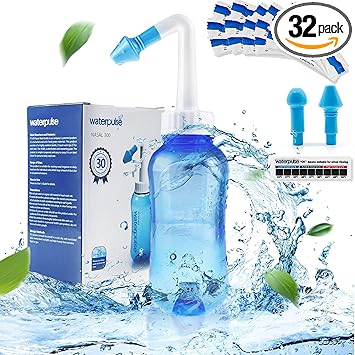
The Sinus Rinsing, Nasal Wash Bottle from Waterpulse. Two different attachments guarantee a pleasant rinse regardless of the size of the nose. Ideal design for adults or children. Includes 30 Nasal Wash Salt Packets.
2. Irritated eyes
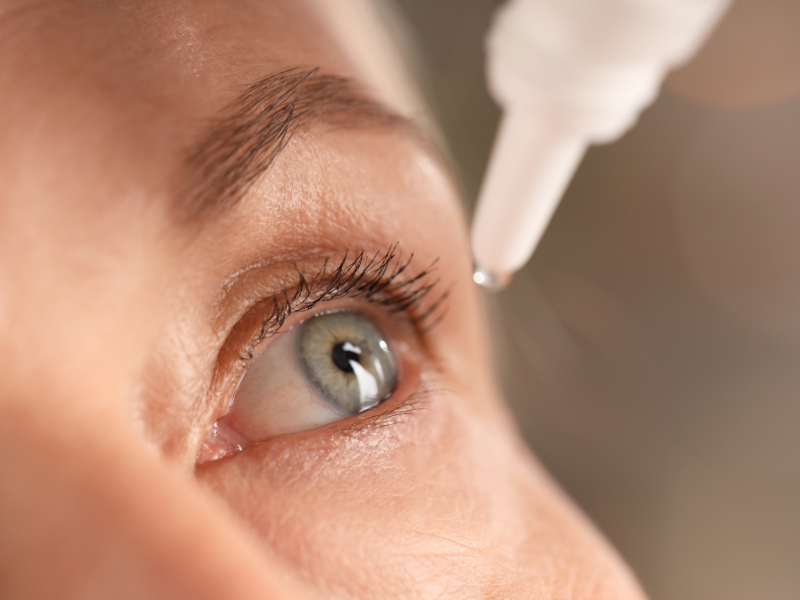
For allergic eyes, your safe home remedies include saline eye rinses and/or a cold, clean, damp washcloth applied to the eyelids to reduce swelling and itching.
Preservative-free artificial tears can be used to rinse the eyes multiple times a day to wash out allergens and lubricate dry, irritated eyes.
Only use saline solutions specifically labeled for eye wash or as saline eye drops (sterile .9% sodium chloride). Saline solution is used to flush the eye, not to treat dryness and unlike artificial tears, does not provide lubrication. Use multiple times a day but no more than four.
- Eye Wash Method: Wash your hands, tilt your head over a sink, and gently apply the saline to the upper eye, letting it flow across to the corner.
- Eye Cups: An eye cup can be used to hold the solution, allowing you to blink your eyes submerged in the wash.
- Avoid Tap Water: Never use homemade saltwater or tap water, which can be harsh or introduce bacteria
Insider Tip: Store artificial tears in the refrigerator for added comfort.
3. Ginger-turmeric tea

Both ginger and turmeric contain natural anti-inflammatory compounds that may help reduce swelling in the nasal passages. At the very least, you’ll feel better with a mug of warm tea in your hands.
Steep 1 inch of fresh sliced ginger and 1/2 tsp of turmeric in hot water. Add a squeeze of lemon and a teaspoon of local honey. While the honey-allergy link is debated, it is excellent for soothing a “scratchy” throat caused by post-nasal drip.
4. Load up on quercetin
Quercetin is a pigment found in many plants that acts as a natural antioxidant, anti-inflammatory and antihistamine. Create meals rich in red onions, capers, apples (with the skin on), kale, broccoli and berries. These foods provide a bio-available boost to your body’s natural defenses.
Insider Tip: Check The Weather Network’s Pollen Forecast daily to plan your outdoor activities. When the count is high or very high, that’s the day to take your antihistamine before you leave the house.
Living with seasonal allergies in Canada doesn’t have to mean staying indoors until November. By combining the right medicinal support with smart lifestyle “shields” and natural anti-inflammatory habits, you can take the sting out of the season.
Subscribe to The Health Insider for science-backed health and wellness tips delivered directly to your inbox.
~ Read more from The Health Insider ~
- Potassium: Your Body Craves It To Survive
 SummaryWorking alongside sodium, potassium sustains the electrical gradients required to regulate heart rhythms, lower blood pressure, and power muscle and nerve functions. Because over-the-counter supplements are strictly capped at 99 mg for digestive safety, this article explores how you can get your daily 2,600–3,400 mg target through whole foods rather than supplements. When we think…
 - Save on Ozempic: Generic Swaps Arrive in Canada
 Generic Ozempic has arrived in Canada, slashing costs by two-thirds. Learn how this historic price drop benefits your health and wallet.
 - Nine in Ten Canadians Want the Health System to Change. Here’s What They’re Saying.
 A new national survey finds 91% of Canadians want health system change now, with broad openness to team-based care, digital tools, and private delivery.
 - Cataract Awareness: Guard Your Eyes from UV Damage
 June is Cataract Awareness Month. Learn how wearing 100% UV blocking sunglasses protects your eyes and reduces your risk of cataracts over time.
 - Your Social Media Feed May Be Selling You Women’s Health Products That Don’t Work
 Women’s health gaps are being filled by viral marketing. Here is the clinical reality behind 5 heavily promoted online wellness trends.
 - Ditching your Sunscreen? Separate Fact From Fiction
 Trading sunscreen for internet rumours exposes your skin to a proven Class 1 carcinogen — the sun. Read the risk analysis and learn about new options before heading outside.
The information provided on TheHealthInsider.ca is for educational purposes only and does not substitute for professional medical advice. TheHealthInsider.ca advises consulting a medical professional or healthcare provider when seeking medical advice, diagnoses, or treatment. To read about our editorial review process click here.