Summary
Make the most of your holiday feast with this essential guide to food safety and waste reduction. Learn the "Two-Hour Rule" for chilling food, how to avoid common risks like reheating rice and mushrooms, and the best ways to freeze turkey to maintain its quality. Following these simple Health Canada guidelines ensures your festive leftovers remain delicious, budget-friendly, and—most importantly—safe for your entire family to enjoy all winter long.
The holidays are a time for big feasts, family traditions, and of course, a refrigerator packed to the brim with leftovers. Whether it’s a golden roast turkey, a savoury tourtière, or that extra tray of roasted root vegetables, these meals are too good to let go to waste. Making the most of your holiday bounty is a fantastic way to stretch your grocery budget and honour the hard work that went into cooking the meal.
However, with a busy house and a full fridge, it’s easy to lose track of how long those leftovers have been sitting out. To keep your family healthy and ensure your holiday treats stay as delicious on Monday as they were on Sunday, it’s important to follow a few simple safety steps. By mastering the art of storage and reheating, you can reduce food waste and enjoy every last bite with peace of mind.
The “two-hour” rule
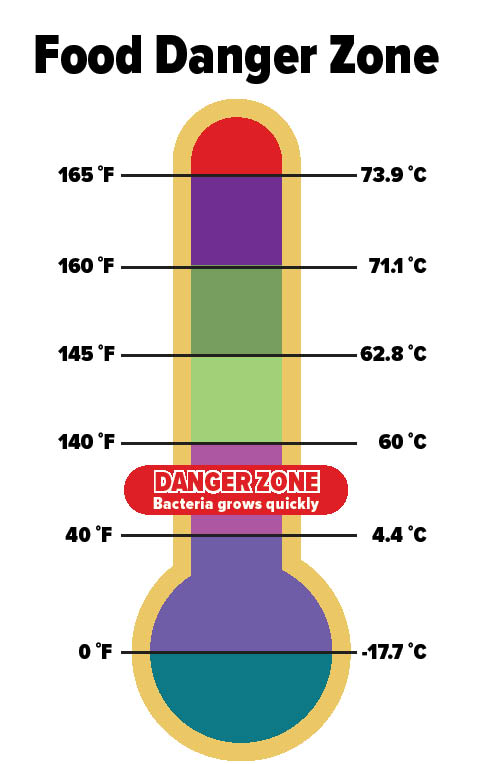
The most important thing to remember is the clock. Bacteria love the Danger Zone, that middle temperature between 4°C and 60°C (40°F to 140°F). In this range, bacteria can double in number every 20 minutes.
- The Rule: Get your leftovers into the fridge or freezer within two hours of cooking.
- The “Chill” Tip: Our Canadian winters are cold, but tempting though it is, don’t use your porch or garage as a second fridge. Depending on where you live in Canada, temperatures may fluctuate too much with the sun and wind, which can leave your food at unsafe levels, not to mention the wildlife that may be happy to eat your tasty leftovers.
Safe storage in the fridge
Your refrigerator is your first line of defense. To get the most out of it:
- Use Shallow Containers: Don’t put a deep pot of hot stew straight into the fridge. The center won’t cool down fast enough. Instead, divide food into small, shallow containers so it chills quickly.
- The 4-Day Limit: According to Health Canada, most leftovers stay safe in the fridge for 3 to 4 days. If you don’t think you’ll eat it by then, move it to the freezer.
- Don’t Trust the “Sniff Test”: Harmful bacteria often don’t change the smell, look, or taste of food. When in doubt, throw it out!
Freezing: The “pause button” for food
Freezing is a great way to prevent waste. When food is frozen at -18°C (0°F), bacteria cannot grow. While frozen food stays safe “indefinitely,” the quality drops over time. For the best flavor, try to eat frozen leftovers within 2 to 6 months. Soups, stews, and cooked meats freeze well. Avoid freezing leafy greens or cream-based sauces, as they tend to separate or get soggy.
Choosing the right container is the “secret sauce” to making sure your frozen leftovers taste just as good as the day you made them. Our Canadian winters are dry, which can exacerbate the dreaded “freezer burn” if you’re not careful.
To keep your food fresh and reduce waste, here are the best options for your freezer:
1. Glass Containers (The Gold Standard)
Glass is excellent because it is non-porous, meaning it won’t soak up the smell of last week’s curry or stain from tomato sauce.
- Best For: Soups, stews, and casseroles you want to reheat directly.
- Pro-Tip: Look for “Borosilicate” glass (like certain Pyrex or Glasslock brands). It is tougher and can handle the jump from a cold freezer to a warm oven more safely.
- Safety Note: Always leave about one inch (2.5 cm) of space at the top.Liquids expand when they freeze, and if the jar is too full, the glass can crack.
2. Heavy-Duty Freezer Bags
Unlike regular sandwich bags, freezer-specific bags are thicker and designed to keep moisture in and air out.
- Best For: Cooked meats, turkey slices, and blanched vegetables.
- Pro-Tip: Squeeze every bit of air out before zipping it shut. This is the #1 way to prevent freezer burn (those dry, greyish spots on meat).
3. Silicone Bags and Containers
Silicone is a rising star in Canadian kitchens because it’s eco-friendly and stays flexible even in the deep freeze.
- Best For: Small portions, berries, or “smoothie packs.”
- Pro-Tip: Look for “Food-Grade” or “Platinum” silicone. These are high-quality and won’t leach chemicals into your food.
4. Rigid Plastic Containers (BPA-Free)
If you prefer plastic because it’s lightweight and won’t break if dropped, choose containers with “locking” lids that have a silicone seal.
- Best For: Batch-cooked meals and dry goods.
- Safety Note: Over time, plastic can get tiny scratches where bacteria can hide. If your plastic containers look cloudy or have deep scratches, it’s time to retire them.
Avoid single-use tubs such as old yogurt or margarine containers. They are made of thin plastic that becomes brittle and cracks in the freezer. They also don’t provide an airtight seal, leading to freezer-burned food. Also avoid using aluminum foil on its own. Foil is great for a quick wrap, but it can tear easily. If you use foil when freezing food, double-wrap it or put the foiled item inside a freezer bag for a second layer of protection.
Reheating safely
Once you’ve stored your leftovers correctly, the final step is getting them back to a safe eating temperature. You need to heat your food until it reaches 74°C (165°F) all the way through.
- The “One-Time” Rule: Only reheat leftovers once. Each time food cools and warms back up, the risk of bacteria increases.
- Stir for Even Heat: Microwaves often have “cold spots.” If you reheat using a microwave, stir your food halfway through the heating process to ensure it’s hot everywhere.
- The Truth About Rice: Uncooked rice can contain spores that survive cooking. If rice sits at room temperature too long, these spores turn into bacteria. Crucially, these toxins are heat-resistant. To stay safe, cool rice quickly and only keep it in the fridge for one day.
Foods to reheat with caution
Your final steps for success
To make your holiday meal-planning as smooth as possible, there are two last “Golden Rules” to keep in mind before you close the freezer door.
First, label everything. We’ve all found a “mystery container” in the back of the freezer and wondered if it was gravy or soup from three years ago! Why not leave food adventures for another time by using a permanent marker and some masking tape to write down exactly what is inside and the date you tucked it away.
Second, always thaw safely. When you’re ready to enjoy those delicious leftovers, plan ahead. Never thaw food on the kitchen counter. Instead, move your container from the freezer to the fridge the night before. It’s the safest way to keep those germs at bay.
Join the Conversation
At The Health Insider, we believe that staying healthy starts right in the heart of the home. By following these simple steps, you’re not just saving money and reducing waste, you’re looking out for the well-being of your whole family.
We want to hear from you! Do you have a favourite way to “remix” your favourite holiday dish? Head over to our Instagram page to share your best kitchen tips with our community of Canadian readers. Together, let’s make this holiday season our healthiest and tastiest one yet!
~ Read more from The Health Insider ~
- Good News for Coffee Lovers: Science Says Your Daily Cup Is Probably Doing You Good
 Is your daily coffee good for your health? Discover what recent research says about mortality, heart health, and how much coffee you should drink.
 - Top 5 Shock-Absorbing Running Shoes to Protect Your Joints
 SummaryDiscover the best shock-absorbing running shoes to protect your joints and improve recovery. Learn how proper midsole cushioning reduces impact forces on your feet, ankles, and hips during long road runs. Explore top-rated, comfortable footwear options from HOKA, Brooks, ASICS, New Balance, and Saucony for every stride. Running is one of the simplest ways to…
 - Living Near a Golf Course May Raise Your Parkinson’s Risk, Study Finds
 A new study found people living within a mile of a golf course had significantly higher odds of developing Parkinson’s disease. Here’s what it means.
 - IBD Is a Gut Disease. So Why Does It Start Affecting Mental Health Years Before Diagnosis?
 New research shows anxiety and depression often start years before an IBD diagnosis. Learn how chronic gut inflammation affects mental health.
 - Fibroid Relief: New Treatments On The Horizon
 Discover how groundbreaking, non-invasive treatments are restoring hope, preserving organs, and freeing women from life-altering fibroid pain.
 - Canada’s Cigarette Packages Just Got a Lot Harder to Ignore
 Canada has launched new graphic warnings on cigarette packs and individual sticks. Learn how these updated labels aim to reduce smoking rates.
The information provided on TheHealthInsider.ca is for educational purposes only and does not substitute for professional medical advice. TheHealthInsider.ca advises consulting a medical professional or healthcare provider when seeking medical advice, diagnoses, or treatment. To read about our editorial review process click here.