Summary
The Heart & Stroke Foundation’s new five-year guidelines emphasize that rescue breaths are essential when performing CPR on children and infants, as their cardiac arrests are usually respiratory. While "hands-only" CPR is still recommended for most adults, breaths are now critical for drowning or opioid-related cases. The update also advocates for training children under 12 and providing mental health support for survivors to improve long-term recovery across Canada.
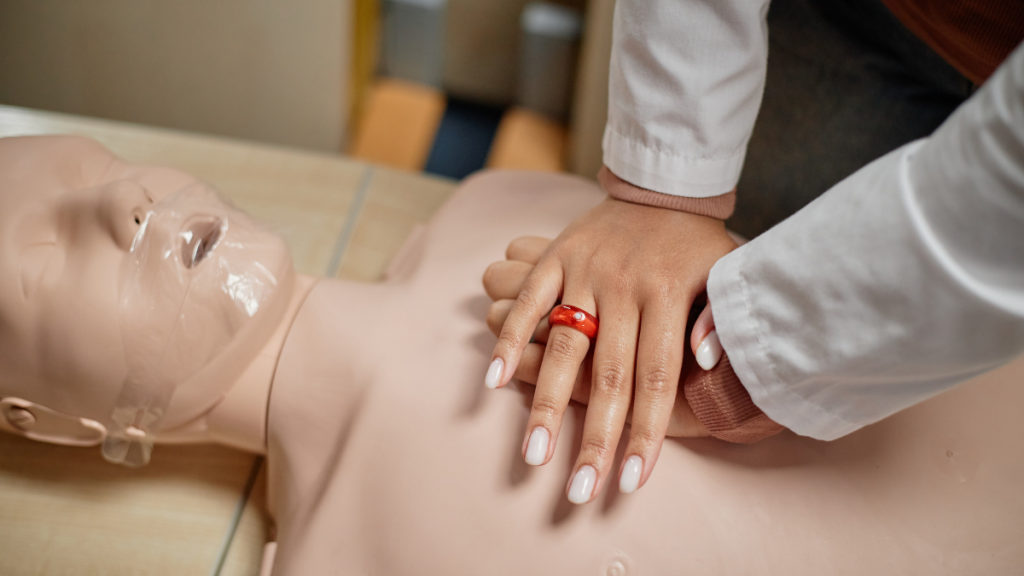
Every five years, the Heart & Stroke Foundation updates the national standards for how Canadians should respond to cardiac emergencies. The latest update, released recently, brings a major shift in focus: while “hands-only” CPR remains effective for most adults, rescue breaths are now considered essential for children and specific emergencies like drowning or overdoses.
With roughly 60,000 out-of-hospital cardiac arrests occurring in Canada annually—about one every nine minutes—understanding these new nuances can be the difference between life and death.
The Major Shift: Rescue Breaths for Children
For the past decade, the public message has focused heavily on “hands-only” CPR (chest compressions only) to keep things simple. However, Heart & Stroke researchers emphasize that children are not just small adults.
Most adult cardiac arrests are caused by a sudden heart problem where the blood still contains oxygen. In contrast, pediatric arrests are usually respiratory, caused by breathing issues like choking, asthma, or drowning. By the time a child’s heart stops, their oxygen levels are already dangerously low.
“Unlike adults, paediatric cardiac arrests often stem from respiratory issues, making oxygen delivery through breaths essential to improving outcomes,” says Dr. Farhan Bhanji, a pediatric expert involved in the new guidelines.
Beyond the Heart: Drowning and Opioid Emergencies
The 2025 guidelines also specify other scenarios where rescue breaths (ventilations) are critical for adult victims:
- Drowning & Choking: Because the primary issue is a lack of oxygen, providing breaths is vital.
- Opioid Overdoses: In cases of opioid-associated cardiac arrest, the guidelines reinforce the importance of initial breathing support and the use of Naloxone.
5 Key Updates You Should Know
- Instructional Support: 9-1-1 dispatchers are now trained to provide specific instructions for rescue breaths when the victim is a child or infant.
- Early Training: Heart & Stroke now recommends starting CPR training for children under the age of 12 to build confidence and willingness to help as they grow.
- Gamified Learning: To improve how well we remember these skills, new training programs will use “gamified” learning to make the techniques stick.
- AED Priority: Using an Automated External Defibrillator (AED) as soon as it is available remains the highest priority for all ages, as it can double the chance of survival.
- Survivor Wellness: For the first time, the guidelines call for emotional distress assessments for both survivors and their caregivers, noting that 1 in 4 experience significant psychological impact after an event.
Ultimately, Heart & Stroke’s goal is to ensure that no matter where a cardiac arrest happens, the “Chain of Survival” is strong enough to give every Canadian a second chance at life.
Subscribe to The Health Insider newsletter where you’ll find many more insights – delivered straight to your inbox.
~ Read more from The Health Insider ~
- Top 5 Shock-Absorbing Running Shoes to Protect Your Joints
 SummaryDiscover the best shock-absorbing running shoes to protect your joints and improve recovery. Learn how proper midsole cushioning reduces impact forces on your feet, ankles, and hips during long road runs. Explore top-rated, comfortable footwear options from HOKA, Brooks, ASICS, New Balance, and Saucony for every stride. Running is one of the simplest ways to…
 - Living Near a Golf Course May Raise Your Parkinson’s Risk, Study Finds
 A new study found people living within a mile of a golf course had significantly higher odds of developing Parkinson’s disease. Here’s what it means.
 - IBD Is a Gut Disease. So Why Does It Start Affecting Mental Health Years Before Diagnosis?
 New research shows anxiety and depression often start years before an IBD diagnosis. Learn how chronic gut inflammation affects mental health.
 - Fibroid Relief: New Treatments On The Horizon
 Discover how groundbreaking, non-invasive treatments are restoring hope, preserving organs, and freeing women from life-altering fibroid pain.
 - Canada’s Cigarette Packages Just Got a Lot Harder to Ignore
 Canada has launched new graphic warnings on cigarette packs and individual sticks. Learn how these updated labels aim to reduce smoking rates.
 - Leafy Greens Ranked For Top Health Benefits
 Explore our definitive ranking of Canadian summer greens. Learn the health benefits of local arugula, spinach, chicories & more.
The information provided on TheHealthInsider.ca is for educational purposes only and does not substitute for professional medical advice. TheHealthInsider.ca advises consulting a medical professional or healthcare provider when seeking medical advice, diagnoses, or treatment. To read about our editorial review process click here.