Summary
Period pain is common but shouldn't just be endured, as effective treatments are widely underused. Relief options range from natural methods like heat, magnesium, and omega-3s to Health Canada-approved TENS devices that block pain signals. Severe or worsening pain should be evaluated by a doctor to rule out conditions like endometriosis or fibroids.
If menstrual cramps send you reaching for ibuprofen every month, you’re far from alone.
A Canadian study of more than 2,700 women found that 60% met the criteria for primary dysmenorrhea, and of those, 60% described their pain as moderate or severe. More than half said it limited their daily activities. Seventeen per cent had missed school or work because of it.
And yet, the same study found that available treatments remain widely underused. Many people assume period pain is just something to push through. It isn’t.
Here’s a look at what actually works, from natural remedies to Health Canada-approved devices.
Natural approaches worth trying
Heat
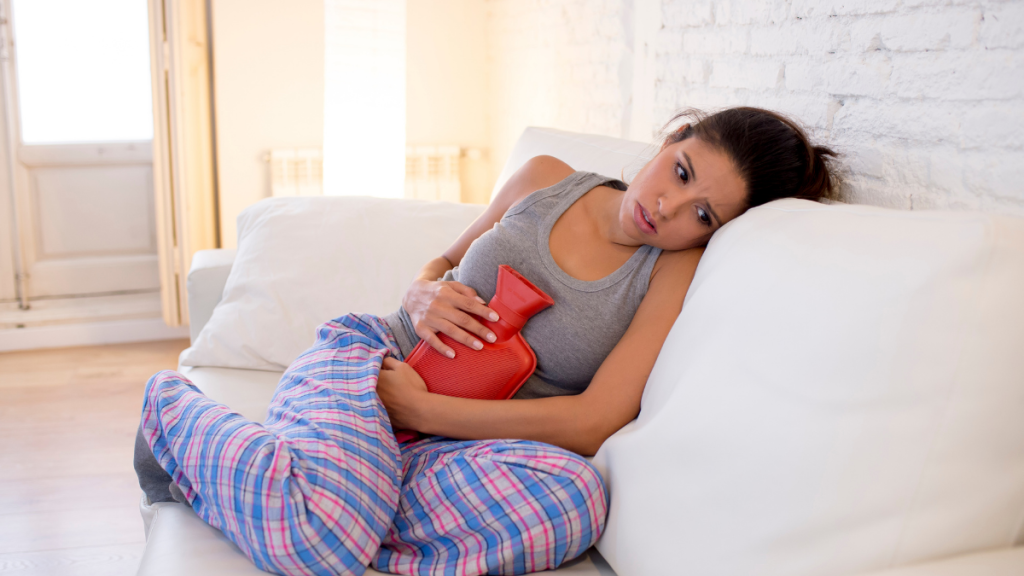
One of the most well-supported options. Applying a heating pad or hot water bottle to the lower abdomen relaxes uterine muscles and improves blood flow. Research suggests it can be as effective as ibuprofen for mild to moderate pain. Reusable heat patches are available at most Canadian pharmacies.
Magnesium
The mineral plays a role in muscle relaxation and prostaglandin suppression.Clinical trials have found that magnesium supplementation significantly reduces pelvic pain in dysmenorrhea, with a daily intake of around 250–300 mg showing the most benefit. It’s widely available and generally well-tolerated.
Omega-3 fatty acids
Found in fatty fish and fish oil supplements, omega-3s work by inhibiting the production of prostaglandins, the compounds responsible for uterine contractions and cramping.A double-blind crossover study found a marked reduction in pain intensity after three months of omega-3 supplementation, with participants also requiring fewer rescue doses of ibuprofen.
Movement
Counterintuitive when you’re in pain, but effective. Light aerobic exercise and yoga have both been shown to reduce menstrual pain severity over time, likely through improved circulation and endorphin release.
Herbal remedies
Several herbal options have been used traditionally for menstrual pain and are backed by some emerging research. Ginger has demonstrated anti-inflammatory properties comparable to ibuprofen in some studies, working by inhibiting prostaglandin synthesis.
Valerian root has shown significant pain reduction in double-blind clinical trials, with antispasmodic effects on smooth muscle. Fennel and cinnamon have also shown promise in reducing pain severity and duration.
These are available in supplement or tea form at most health food stores, though it’s worth checking with a pharmacist if you take other medications. Some herbal remedies can interact with them.
What technology has to offer
A newer category of drug-free wearable devices is now available in Canada and for those with significant pain, they’re worth knowing about.
TENS devices
TENS (transcutaneous electrical nerve stimulation) devices send gentle electrical pulses to the skin that interrupt pain signals before they reach the brain, while also stimulating the body’s natural endorphin production. A 2026 meta-analysis confirmed that TENS can work as a standalone treatment for period pain when used at the right intensity.
Two Health Canada-approved options:
Livia is the most well-known. It’s a small clip-on device using patented SmartWave™ technology, backed by double-blind randomized clinical studies and approved by both the FDA and Health Canada. Relief typically begins within 30 to 60 seconds. Available on Amazon.ca.
Levina is a fully wireless alternative, also FDA-cleared and Health Canada-approved, using high-frequency TENS technology for fast, portable relief.
Both devices are worn on the lower abdomen. They’re not advised for people who are pregnant, have a pacemaker, or have open wounds or infected skin. Neither is currently covered by provincial health plans, but may be eligible under private benefits or health spending accounts.
Cycle tracking wearables
Beyond pain relief, devices like the Oura Ring now track menstrual cycle phases using nightly skin temperature, offering insight into how hormonal shifts affect sleep, energy, and stress throughout the month. For many people, that kind of visibility alone changes how they plan and manage their cycle.
On the horizon
For those whose period pain may point to something more, the stakes are high and the diagnostic journey can be long.
Endometriosis affects an estimated one in ten women and takes an average of seven to ten years to diagnose. Uterine fibroids are even more common, non-cancerous growths that can cause severe pain, extremely heavy bleeding, and prolonged periods. Left unmanaged, heavy menstrual bleeding from fibroids can lead to iron deficiency and anemia, significantly affecting quality of life.
Wearables that generate objective, longitudinal data about symptoms, flow patterns, and cycle changes are increasingly being seen as tools that could help shorten diagnostic gaps, giving both patients and clinicians a clearer picture over time.
It’s an evolving space, and one worth watching.
When to talk to a doctor
Natural approaches and devices work well for many people with primary dysmenorrhea, pain with no underlying cause.
If nothing else is providing relief, talk to your doctor to see if a prescription medication could help.
But if your pain is severe, getting worse over time, or accompanied by heavy bleeding, see a healthcare provider. Secondary dysmenorrhea, caused by conditions like endometriosis, fibroids, or adenomyosis, requires clinical assessment and a different treatment approach.
Period pain is common. But it isn’t something you simply have to endure.
Subscribe to The Health Insider newsletter where you’ll find many more insights – delivered straight to your inbox.
~ Read more from The Health Insider ~
- Top 5 Shock-Absorbing Running Shoes to Protect Your Joints
 SummaryDiscover the best shock-absorbing running shoes to protect your joints and improve recovery. Learn how proper midsole cushioning reduces impact forces on your feet, ankles, and hips during long road runs. Explore top-rated, comfortable footwear options from HOKA, Brooks, ASICS, New Balance, and Saucony for every stride. Running is one of the simplest ways to…
 - Living Near a Golf Course May Raise Your Parkinson’s Risk, Study Finds
 A new study found people living within a mile of a golf course had significantly higher odds of developing Parkinson’s disease. Here’s what it means.
 - IBD Is a Gut Disease. So Why Does It Start Affecting Mental Health Years Before Diagnosis?
 New research shows anxiety and depression often start years before an IBD diagnosis. Learn how chronic gut inflammation affects mental health.
 - Fibroid Relief: New Treatments On The Horizon
 Discover how groundbreaking, non-invasive treatments are restoring hope, preserving organs, and freeing women from life-altering fibroid pain.
 - Canada’s Cigarette Packages Just Got a Lot Harder to Ignore
 Canada has launched new graphic warnings on cigarette packs and individual sticks. Learn how these updated labels aim to reduce smoking rates.
 - Leafy Greens Ranked For Top Health Benefits
 Explore our definitive ranking of Canadian summer greens. Learn the health benefits of local arugula, spinach, chicories & more.
The information provided on TheHealthInsider.ca is for educational purposes only and does not substitute for professional medical advice. TheHealthInsider.ca advises consulting a medical professional or healthcare provider when seeking medical advice, diagnoses, or treatment. To read about our editorial review process click here.