Summary
A health explainer on microplastics for Canadian readers, what they are, why the latest science is alarming, how to reduce your exposure, and whether you can get tested. Backed by Canadian government sources and a landmark 2026 Lancet study.
From our water to our bloodstreams: why a major new study has health experts concerned.
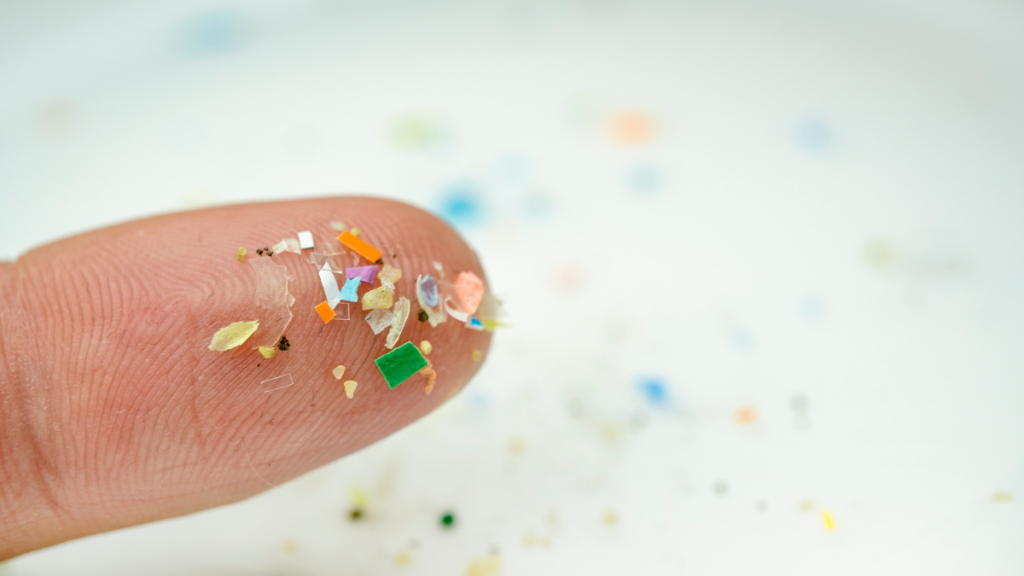
Microplastics are no longer just an environmental issue; they have become a personal health conversation. These tiny fragments, each smaller than five millimeters, shed from everyday items like water bottles, food packaging, and synthetic clothing. They enter our bodies through the air we breathe, the water we drink, and the food we eat.
While Health Canada is currently investigating the long-term consequences, a landmark study published in the journal Lancet eClinicalMedicine has raised the stakes, linking plastic-related chemicals to a significant global health burden.
The Scale of the Problem in Canada
The sheer volume of plastic in our daily lives makes exposure almost inevitable. In 2021 alone, Canadians discarded nearly 5 million tonnes of plastic, roughly 130 kilograms per person. While most of this is managed by waste systems, over 40,000 tonnes leaked directly into the environment.
This environmental plastic does not decompose. It fragments into microscopic pieces that eventually find their way back into the human food chain and the indoor dust in our homes.
The Hidden Risk: Phthalates and Preterm Births
The concern is not just the plastic dust itself, but the chemicals added to it. A March 2026 study led by researchers at NYU Langone Health focused on DEHP, a phthalate used to make plastic flexible. You can find it in everything from food containers and shower curtains to cosmetics and detergents.
The findings were startling:
- Global Impact: Researchers estimate that DEHP exposure was linked to approximately 1.97 million premature births globally in 2018.
- The Replacement Trap: When manufacturers switched to a replacement chemical called DiNP, researchers found a nearly identical risk profile.
- Hormonal Disruption: These chemicals are endocrine disruptors. Because they are not chemically bonded to the plastic, they easily migrate into the body. Once inside, they can mimic or interfere with natural hormones, potentially affecting fetal development and reproductive health.
What is Canada Doing?
Canada has made some early progress in the fight against hidden plastics:
- Microbead Ban: In 2018, Canada became one of the first countries to ban plastic microbeads in toiletries like face scrubs and toothpaste.
- New Research: In 2024, Health Canada committed 2.1 million dollars to researchers at McGill, Memorial University, and the University of Toronto to specifically study how microplastics in our food and air affect our health.
However, many of the phthalates used in flexible plastics remain largely unregulated as a class. Experts argue that until we regulate these chemicals as a whole group, rather than one by one, manufacturers will simply keep replacing one harmful chemical with another.
How to Reduce Your Exposure
While it is impossible to avoid plastic entirely, you can significantly lower your daily load with a few habit changes:
- Ditch the Plastic Bottle: Switch to stainless steel or aluminum bottles and stick to filtered tap water.
- Stop Microwaving Plastic: Never heat food in plastic containers. Heat causes chemicals like BPA and phthalates to leach into your food much faster.
- Skip the Dishwasher for Plastic: Avoid putting plastic containers, lids, and utensils in the dishwasher. The high heat and harsh detergents accelerate plastic breakdown and increase leaching.
- Upgrade Your Cookware: Replace worn non-stick pans with cast iron or stainless steel.
- Vacuum with a HEPA Filter: Microplastics often settle in household dust. A HEPA filter helps capture these particles rather than recirculating them.
- Check Labels: Look for phthalate-free or paraben-free labels on personal care products and cosmetics.
Can You Get Tested?
At-home blood tests for microplastics are beginning to appear on the market. However, medical experts note that these tests currently lack a next step. While a test might show you have plastic particles in your system, there is currently no clinical procedure to remove them or a clear consensus on which specific levels are dangerous.
For now, the best medicine is prevention. Reducing the amount of plastic that enters your home is the most effective way to protect your health.
Subscribe to The Health Insider newsletter for more evidence-based insights delivered straight to your inbox.
~ Read more from The Health Insider ~
- Good News for Coffee Lovers: Science Says Your Daily Cup Is Probably Doing You Good
 Is your daily coffee good for your health? Discover what recent research says about mortality, heart health, and how much coffee you should drink.
 - Top 5 Shock-Absorbing Running Shoes to Protect Your Joints
 SummaryDiscover the best shock-absorbing running shoes to protect your joints and improve recovery. Learn how proper midsole cushioning reduces impact forces on your feet, ankles, and hips during long road runs. Explore top-rated, comfortable footwear options from HOKA, Brooks, ASICS, New Balance, and Saucony for every stride. Running is one of the simplest ways to…
 - Living Near a Golf Course May Raise Your Parkinson’s Risk, Study Finds
 A new study found people living within a mile of a golf course had significantly higher odds of developing Parkinson’s disease. Here’s what it means.
 - IBD Is a Gut Disease. So Why Does It Start Affecting Mental Health Years Before Diagnosis?
 New research shows anxiety and depression often start years before an IBD diagnosis. Learn how chronic gut inflammation affects mental health.
 - Fibroid Relief: New Treatments On The Horizon
 Discover how groundbreaking, non-invasive treatments are restoring hope, preserving organs, and freeing women from life-altering fibroid pain.
 - Canada’s Cigarette Packages Just Got a Lot Harder to Ignore
 Canada has launched new graphic warnings on cigarette packs and individual sticks. Learn how these updated labels aim to reduce smoking rates.
The information provided on TheHealthInsider.ca is for educational purposes only and does not substitute for professional medical advice. TheHealthInsider.ca advises consulting a medical professional or healthcare provider when seeking medical advice, diagnoses, or treatment. To read about our editorial review process click here.