Summary
This article examines the world’s most challenging Winter Olympic sports, highlighting the unique physical and mental demands of events like the biathlon, figure skating, and luge. By exploring their historical origins and the intense "dry-land" training required to compete, it showcases the extraordinary grit of elite athletes. It concludes by encouraging readers to channel this competitive Olympic spirit into their own winter activities and personal fitness goals.
As a cold weather sports lover, it’s no surprise that I’m a devoted Winter Olympics fan. They showcase incredible athletic prowess, pushing competitors to their physical and mental limits, and inspiring amateur athletes like myself to become better at my sport.
While all Olympic sports demand dedication and skill, some stand out for their extreme difficulty, combining precision, speed, and danger. Here are six of the most challenging winter Olympic sports, let us know on social media what you think of our list.
1.Biathlon
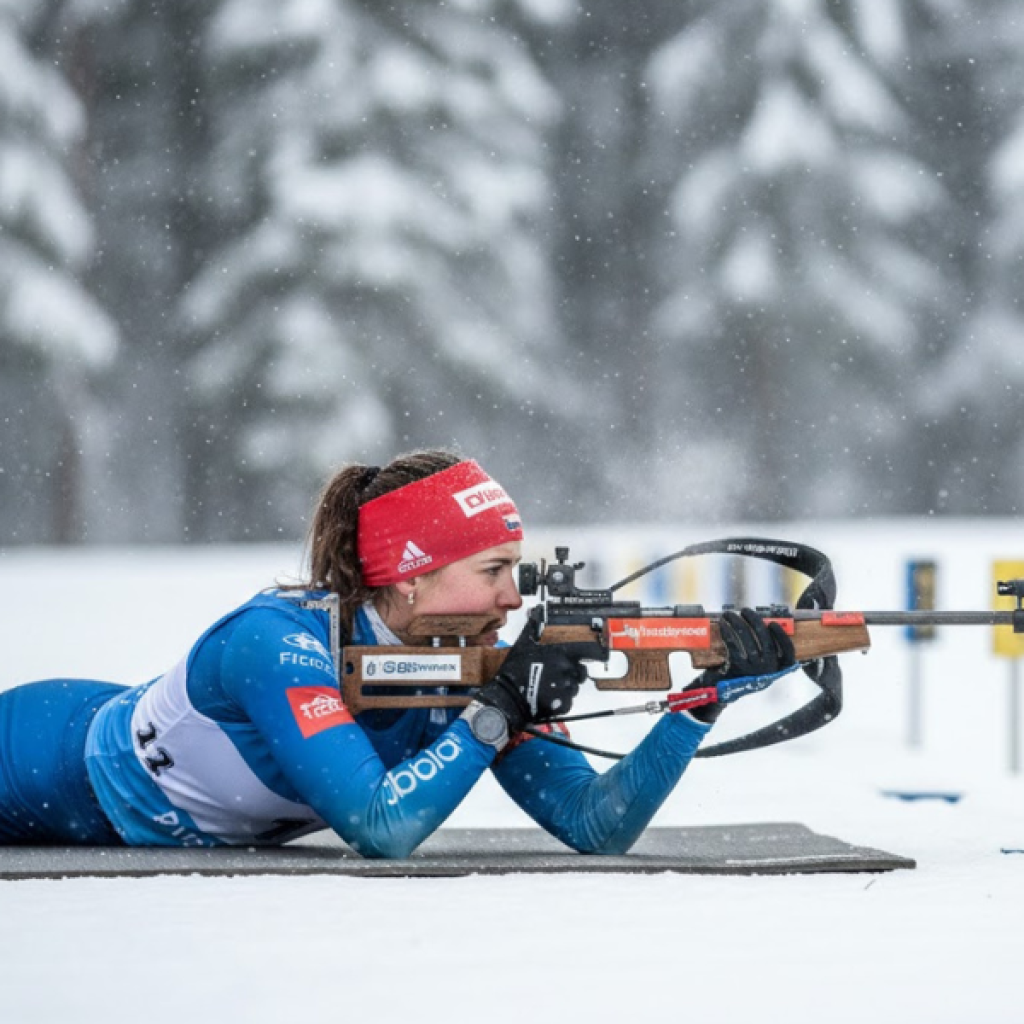
Biathlon originated from ancient Nordic hunting traditions and later evolved into a Scandinavian military training exercise. The first organized, recorded competition occurred between Swedish and Norwegian border guards in 1767. It was featured as “military patrol” in the 1924 Olympics; the modern version we see today wasn’t officially added for 36 more years.
The biathlon is often cited by sport scientists as the most demanding event because it requires two diametrically opposed physical states.
- The Cardiac Rollercoaster: Athletes push their heart rates to near-maximum (180 to 190 BPM) during intense cross-country skiing, only to arrive at the shooting range where they must immediately drop their heart rate and stabilize their breathing to hit a target the size of a coffee saucer from 50 meters away.
- The Penalty of Fatigue: Unlike other sports where a mistake might cost a few tenths of a second, a missed shot in biathlon can result in a 150-meter penalty loop or a full minute added to the athlete’s time, making the pressure during the shooting bouts immense.
2. Figure Skating
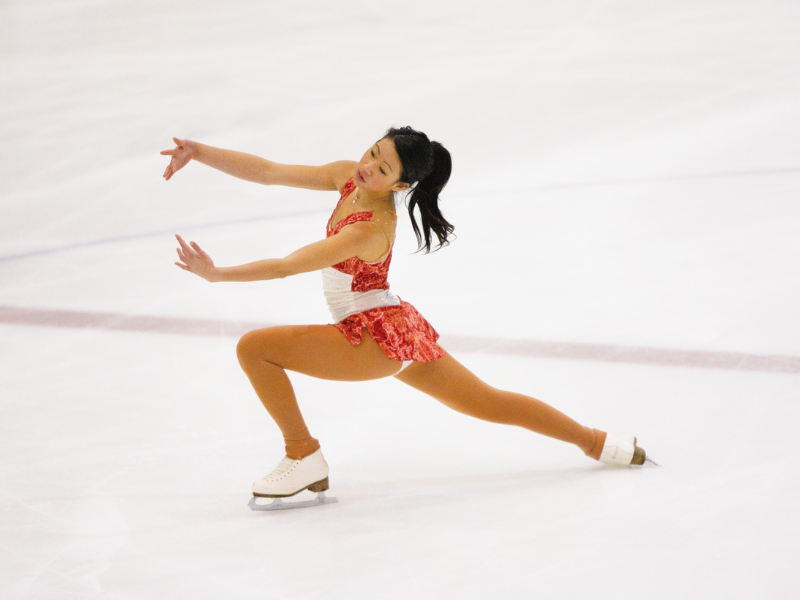
Admittedly, figure skating is my favourite sport at the Olympics. It debuted in the Summer Olympics and moved to the Winter Games in 1924. It was the only Olympic sport to include women for many years. Figure skating is often considered one of the most beautiful Olympic sports, but beneath the artistry lies an extreme level of athletic difficulty.
- Combination of Artistry and Athletics: Skaters must combine powerful jumps (like triple Axels and quadruple salchows), intricate spins, and complex footwork sequences, all while maintaining grace, musicality, and emotional expression.
- High-Risk Jumps: Jumps involve multiple rotations in the air, requiring immense core strength, balance, and aerial awareness. Landings put significant stress on the body, especially the knees and ankles.
- Precision and Endurance: Programs are several minutes long and demand peak physical endurance, yet every movement must be executed with precision and fluidity to avoid deductions.
3. Bobsleigh
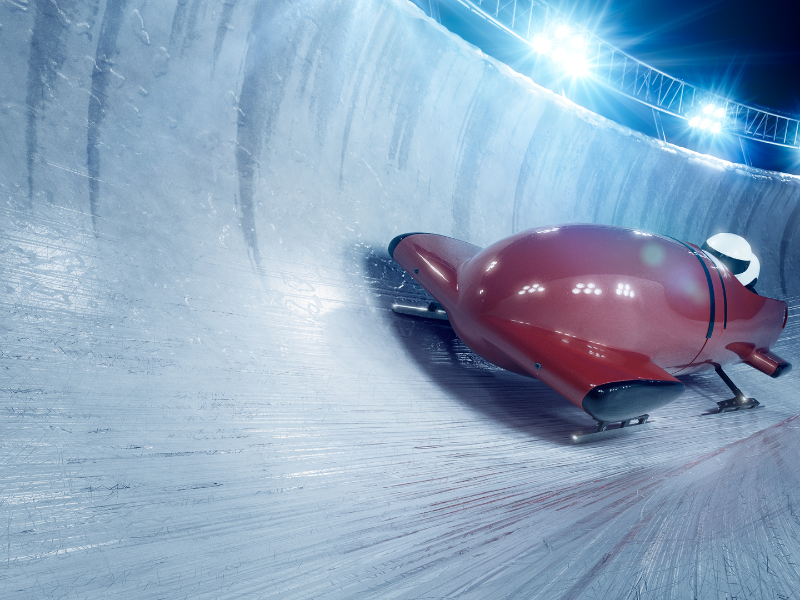
An “Original Six” Olympic sport, bobsleigh has been in every Winter Games except 1960, when the host city (Squaw Valley) refused to build an expensive track. It’s a high-octane sport where teams of two or four race down an icy track in a specially designed sled. What makes it so difficult?
- Extreme Speeds: Sleds can reach speeds exceeding 150 km/h (93 mph), making split-second decisions and reactions critical. The G-forces experienced can be intense, reaching up to 5G in corners.
- Precision Driving: Navigating the complex twists and turns of the track requires immense skill and precision from the pilot. A slight miscalculation can lead to a crash or a significant loss of time.
- Team Synchronization: In four-man bobsleigh, the synchronized push start is vital for building initial momentum. All team members must work in perfect unison.
4. Ski Jumping
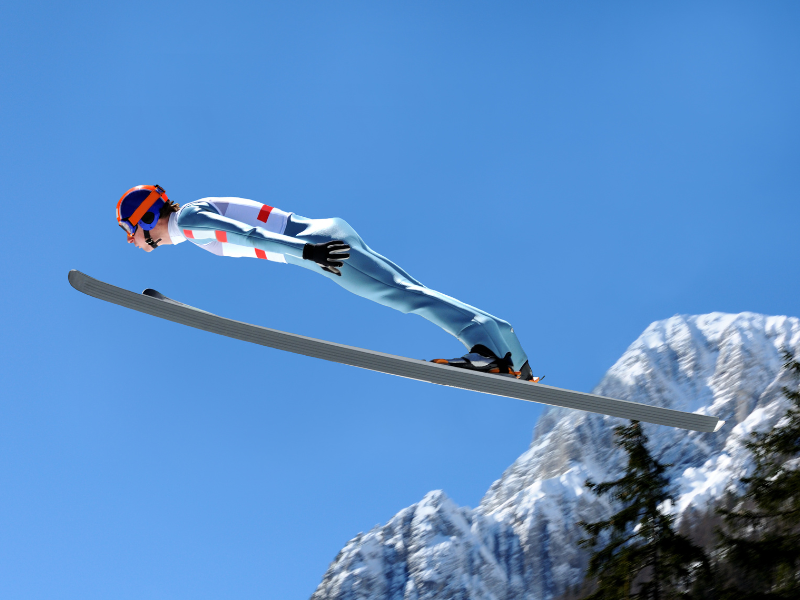
Another “Original Six” Olympic sport, ski jumping combines courage, technical skill, and an understanding of aerodynamics.
- Fear Factor: Launching oneself off a massive ramp at high speeds and soaring through the air for hundreds of meters requires incredible bravery and mental fortitude.
- Technical Precision: Jumpers must execute a flawless take-off, maintain an optimal aerodynamic body position (the V-style is now standard) in the air, and stick a perfect landing. Small errors can lead to disastrous falls or significantly reduce distance.
- Wind Conditions: Ski jumpers are highly susceptible to wind conditions, which can drastically affect their flight and require quick adjustments.
5. Downhill Skiing
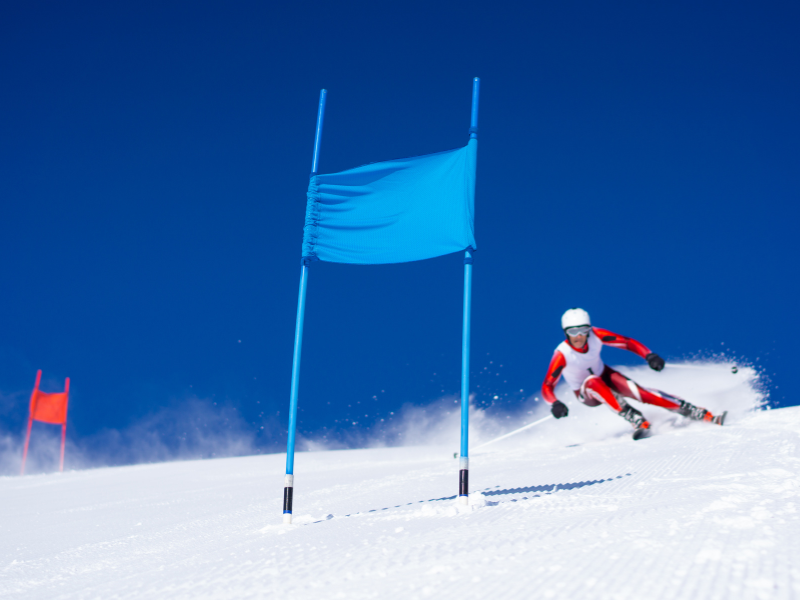
Those of us who have been watching the comeback story and subsequent crash during Lindsey Vonn’s Olympic bid know that downhill skiing is the ultimate test of speed and courage on skis, often called the “Formula 1 of skiing.” While it may seem obvious, here’s why it’s such a difficult sport.
- Blinding Speed: Skiers hurtle down incredibly steep and challenging courses at speeds often exceeding 130 km/h (80 mph), navigating jumps, bumps, and icy sections.
- Control on the Edge: Maintaining control at such high speeds on narrow skis requires phenomenal leg strength, balance, and quick reflexes. Skiers are constantly on the edge of losing control.
- Course Hazards: Downhill courses feature challenging terrain, including sudden drops, sharp turns, moving from shade to sun in the same course and constantly changing snow conditions, demanding instant adaptations and fearless commitment.
6. Luge
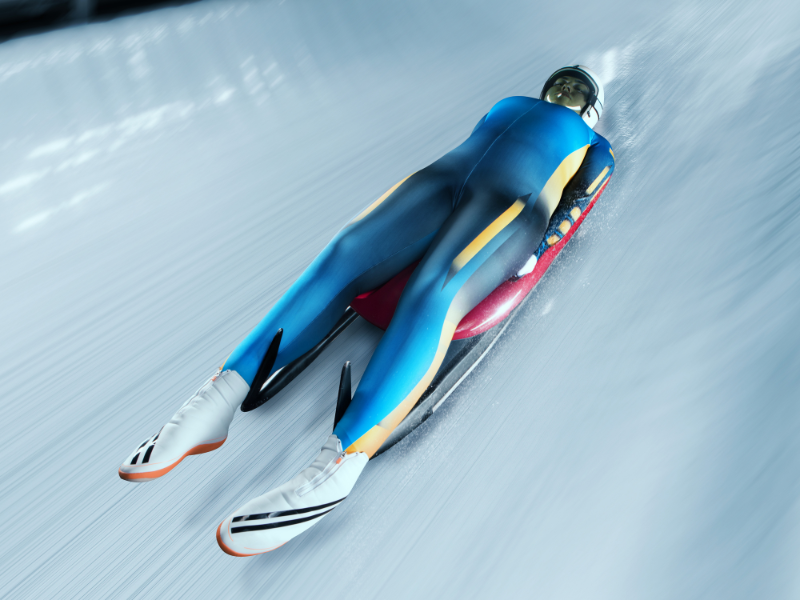
For decades, luge was considered far too dangerous for the Olympics. It was finally permitted in 1964, and it is now timed to the thousandth of a second. Luge is a single or double rider sledding sport where competitors race feet-first down an icy track at incredible speeds, with minimal protection.
- Extreme Speed and Vulnerability: Lugers travel at speeds over 140 km/h (87 mph) just inches off the ice, using subtle body shifts to steer. The lack of significant protection makes it incredibly dangerous.
- Pinpoint Steering: Steering is done by shifting body weight and pressing against the sled with the calves. This requires incredible core strength, precision, and sensitivity to the sled’s movements.
- G-Forces and Physical Toll: The G-forces in the corners can be intense, causing physical strain and making it difficult to maintain control and vision.
While most of us will never compete in the Olympics, we don’t need a world-class stadium to channel that same fire. Whether it’s finding your rhythm on a local outdoor rink, testing your endurance on a snowy trail, or simply engaging in a friendly “sock-skating” competition in the living room, we can all embrace the Canadian joy of winter.
By taking that Olympic spirit, the grit of the biathlete and the grace of the figure skater, we can turn our own personal sporting endeavours into a celebration of what our bodies can achieve.
Which of these six sports is your favorite to watch, and which one inspires you the most to get out and move during the winter months? Let us know on social media.
~ Read more from The Health Insider ~
- Top 5 Shock-Absorbing Running Shoes to Protect Your Joints
 SummaryDiscover the best shock-absorbing running shoes to protect your joints and improve recovery. Learn how proper midsole cushioning reduces impact forces on your feet, ankles, and hips during long road runs. Explore top-rated, comfortable footwear options from HOKA, Brooks, ASICS, New Balance, and Saucony for every stride. Running is one of the simplest ways to…
 - How Exercise Actually Grows Your Brain
 Your muscles feed your brain! Learn how to trigger the natural chemicals that protect your memory and sharpen your daily focus.
 - Best Compact Strength Training Machines for Canadian Homes
 Discover affordable, space-saving strength training machines from top Canadian retailers to build muscle at home without a pricey gym membership.
 - Why “Tech Neck” is a Growing Pain for Canadians
 Canadians spend over 6 hours a day on devices. PT Sameer Chunara shares essential information to manage the 12kg of extra pressure on your cervical spine.
 - Snow & Grit: The 6 Most Demanding Winter Olympic Sports
 Explore the grueling world of winter athletics. From biathlon’s cardio-clash to figure skating’s grace, we rank the six hardest Olympic disciplines.
 - Fitness In 2026 Looks VERY Different
 Ditch the solo grind. In 2026, social wellness and “third space” gyms are fighting the loneliness epidemic through pickleball and city-wide run clubs.
The information provided on TheHealthInsider.ca is for educational purposes only and does not substitute for professional medical advice. TheHealthInsider.ca advises consulting a medical professional or healthcare provider when seeking medical advice, diagnoses, or treatment. To read about our editorial review process click here.