Summary
In 2026, Canadian fitness trends have pivoted toward longevity and "Healthspan." This shift is defined by AI-steered personalization, specialized muscle preservation for GLP-1 users, and the rise of gyms as social "third spaces" for community-based recovery.
As we enter 2026, the Canadian fitness industry is moving past the “no pain, no gain” era. The focus has shifted toward a data-driven, sustainable approach to health that treats the gym as a critical “third space” and an extension of the medical clinic.
Here are the five trends defining fitness in Canada this year.
1. AI-Steered Personalization: The “Digital Twin”
Generic workout plans have officially become obsolete. In 2026, AI-steered training has moved from a novelty to the “backbone of programming“. Major players like Peloton are now utilizing AI to analyze real-time video feedback and biometric data to adjust workouts on the fly.
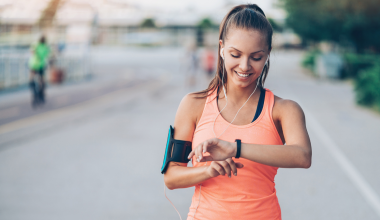
Instead of following a fixed schedule, Canadians are increasingly using advanced wearable tech to create a “Digital Twin.” This AI model uses heart rate variability (HRV), sleep quality, and even blood glucose levels to tell you exactly how much intensity your body can handle on any given Tuesday morning.
2. The GLP-1 Companion Movement
With the massive rise in obesity-management medications like Ozempic and Wegovy, exercise for Weight Management has climbed to its highest-ever ranking of #3 in the ACSM 2026 Worldwide Fitness Trends.
In Canada, the conversation has shifted toward muscle preservation. Because these medications can lead to muscle loss, 2026 is the year of the Medical-Fitness Hybrid. Canadian trainers are now specializing in GLP-1 companion protocols, focusing heavily on resistance training to ensure weight loss comes from fat, not vital lean mass, effectively positioning the trainer as an “allied health professional”.
3. Longevity & “Active Aging” for All
Canada’s aging population has pushed Fitness Programs for Older Adults. However, the “Longevity” trend has trickled down to Millennials and Gen Z, who are now training for their “80-year-old selves.”
The focus this year is on functional durability:
- Grip Strength & Stability: Prioritized to prevent future falls.
- Zone 2 Cardio: Low-intensity, steady-state movement designed for mitochondrial health rather than calorie burning.
- Japanese Walking: An interval-based walking method gaining massive traction in urban centers like Toronto for its high ROI and low impact.
4. Social Wellness: The “Third Space” Revival
As technological advancements “socially engineer” movement out of our daily lives, Canadians are pushing back. The 2025 ParticipACTION Adult Report Card highlighted that only 32% of Canadian adults meet the recommended daily steps (7,500), largely because “movement is no longer the easy choice”.
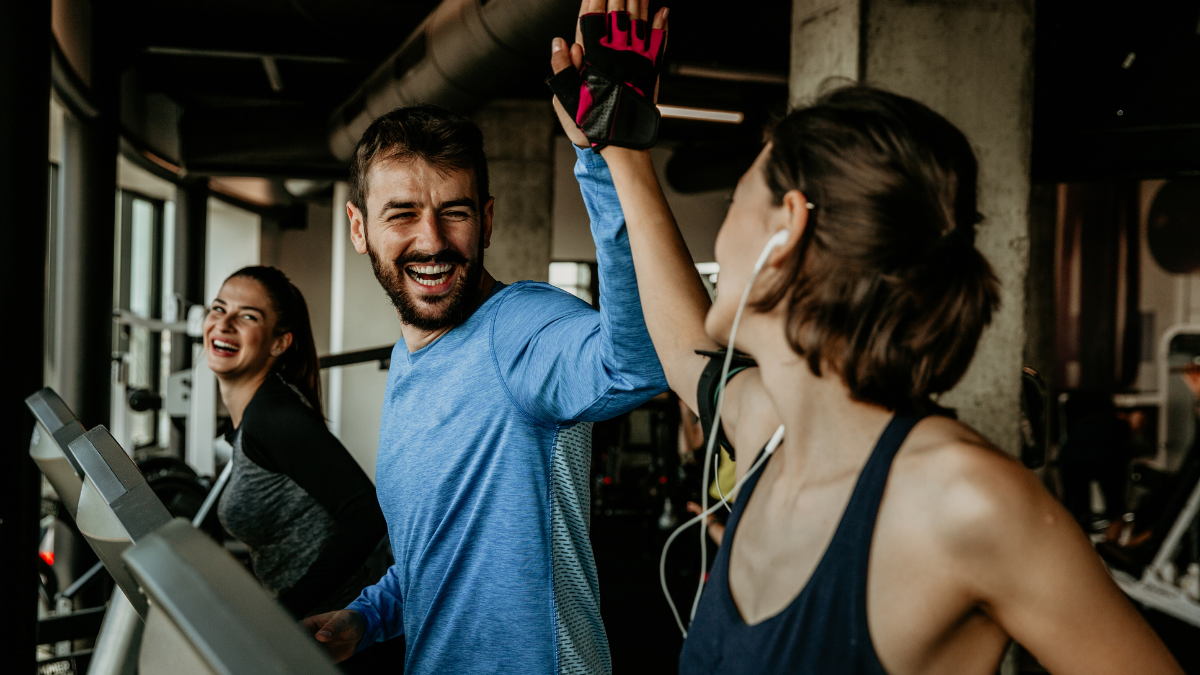
To combat this, gyms are transforming into social hubs. In 2026, the rise of Adult Recreation and Sport Clubs reflects a craving for in-person connection. Whether it’s the continued dominance of Pickleball or the explosion of city-wide Run Clubs, Canadians are choosing fitness environments that double as a “third space” for community and friendship.
5. Somatic Recovery and “JOMO”
Recovery is no longer a five-minute stretch; it is now a “scheduled activity.” In 2026, the industry is embracing JOMO (The Joy of Missing Out), a shift toward “gentle strength” and mindful movement.
What’s trending in Canadian recovery:
- Somatic Movement: Practices like Pilates and “Slow Yoga” that focus on nervous system regulation.
- Cold Recovery: Cryotherapy and cold plunges have moved into mainstream Canadian gyms to reduce systemic inflammation and boost mental resilience.
For 2026:
| OUT | IN |
|---|---|
| BMI & Scale Weight | VO2 Max & Muscle Mass |
| Manual Calorie Counting | AI-Steered Recovery |
| “No Pain, No Gain” | Somatic & Functional |
| Isolated Solo Workouts | Social Sport Clubs |
The “New Year, New You” mantra has been replaced by something far more powerful: “New Year, Better Longevity.” Subscribe to The Health Insider newsletter where you’ll find many other ways we’re changing our health for 2026 – delivered straight to your inbox.
~ Read more from The Health Insider ~
- Top 5 Shock-Absorbing Running Shoes to Protect Your Joints
 SummaryDiscover the best shock-absorbing running shoes to protect your joints and improve recovery. Learn how proper midsole cushioning reduces impact forces on your feet, ankles, and hips during long road runs. Explore top-rated, comfortable footwear options from HOKA, Brooks, ASICS, New Balance, and Saucony for every stride. Running is one of the simplest ways to…
 - Living Near a Golf Course May Raise Your Parkinson’s Risk, Study FindsA new study found people living within a mile of a golf course had significantly higher odds of developing Parkinson’s disease. Here’s what it means.
- IBD Is a Gut Disease. So Why Does It Start Affecting Mental Health Years Before Diagnosis?New research shows anxiety and depression often start years before an IBD diagnosis. Learn how chronic gut inflammation affects mental health.
- Fibroid Relief: New Treatments On The HorizonDiscover how groundbreaking, non-invasive treatments are restoring hope, preserving organs, and freeing women from life-altering fibroid pain.
- Canada’s Cigarette Packages Just Got a Lot Harder to IgnoreCanada has launched new graphic warnings on cigarette packs and individual sticks. Learn how these updated labels aim to reduce smoking rates.
- Leafy Greens Ranked For Top Health BenefitsExplore our definitive ranking of Canadian summer greens. Learn the health benefits of local arugula, spinach, chicories & more.




The information provided on TheHealthInsider.ca is for educational purposes only and does not substitute for professional medical advice. TheHealthInsider.ca advises consulting a medical professional or healthcare provider when seeking medical advice, diagnoses, or treatment. To read about our editorial review process click here.