Summary
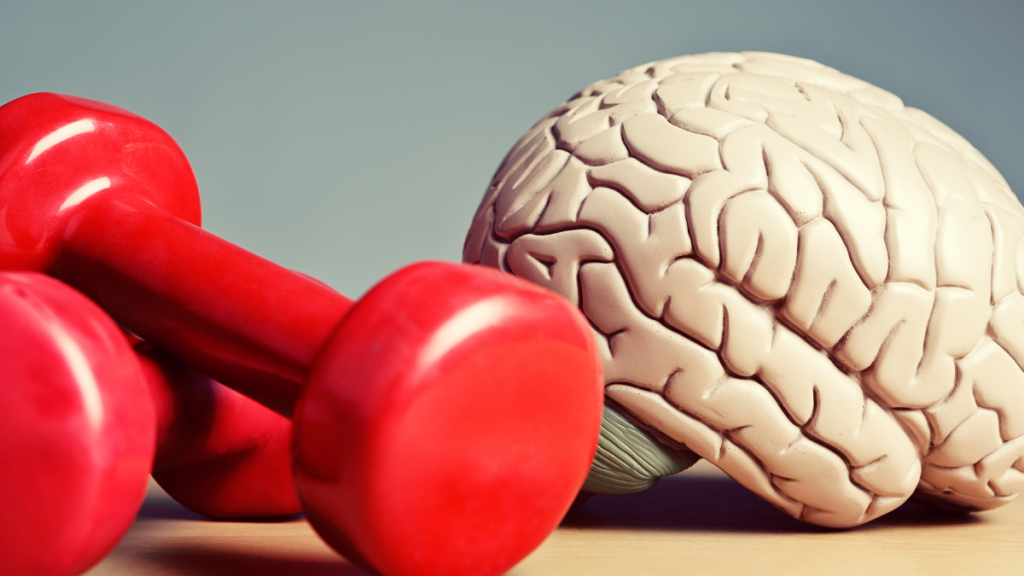
Beyond physical fitness, exercise is a vital tool for neurological health. By understanding the "muscle-brain axis," Health Insiders can use specific movements to trigger cell growth and repair. The article offers practical, accessible advice on using regular activity to fight cognitive decline and stress.
We’ve all heard that exercise is good for the heart and lungs. But did you know that every time you work out or go for a brisk walk, your muscles are actually “talking” to your brain?
Scientists call this the muscle-brain axis. When you move, your muscles produce chemical signals that travel through your blood and act like a high-grade fertilizer for your brain cells.
The brain’s “miracle-grow”: BDNF
The superstar of this conversation is a protein called Brain-Derived Neurotrophic Factor (BDNF). It’s a protein that acts as a growth factor within the nervous system, essential for the survival and growth of neurons. It is often referred to as “fertilizer for the brain” and it helps in four areas that are critical for brain health:
1. It supports the differentiation and growth of new neurons, acting as a neurotrophin to keep existing neurons functioning properly.
2. It’s essential for the mechanism behind learning and forming new memories.
3. It helps the brain remodel itself, allowing for recovery after injury or stress.
4. Reduced BDNF levels are associated with depression, anxiety, and neurodegenerative disorders.
Meet the messengers: Irisin and Cathepsin B
How does the brain know to produce this “miracle-grow”? It relies on messengers released directly from your working muscles:
- Irisin: This is often called the exercise hormone. When you do cardio, your muscles release Irisin, which travels to the brain and flips the switch to start producing more BDNF.
- Cathepsin B: This messenger is like a construction foreman. Research shows it helps with neuronal regeneration, essentially helping your brain build new connections and improve your memory.
Research also indicates that physically active individuals may have a lower risk of developing dementia. Additionally, exercise improves vascular health by reducing the risk of hypertension and stroke, both of which can negatively impact brain function.
The “smart” workout: how to exercise for your mind
You don’t need to be an elite athlete to get these benefits. According to recent research and our guides here at The Health Insider, the best for your brain is a mix of different movements.
1. The “Memory Booster”: Aerobic Exercise
Examples: Brisk walking, swimming, rowing, cycling, or dancing.
Why it works: Cardio is the best way to trigger that Irisin-to-BDNF pipeline. It can help keep your brain from shrinking as you age.
Your Goal: Aim for 30 minutes, five days a week. If you’re short on time, even a 10-minute power walk makes a difference.
2. The “Focus Builder”: Strength Training
Examples: Lifting weights, using resistance bands, or doing bodyweight exercises like squats and push-ups.
Why it works: When your muscles work against resistance, they release growth factors that help with executive function, which is the ability to focus, plan, and ignore distractions.
Your Goal: Two sessions a week. As we’ve noted in our Stay Strong, Live Longer guide, you can do this at home using your own body weight!
3. The “Stress Reliever”: Mind-Body Movement
Examples: Yoga, Tai Chi, or even a mindful walk in nature.
Why it works: These activities lower cortisol (the stress hormone). Chronic, high stress can impair your brain, potentially leading to difficulties with focus, memory, emotional regulation, and an increased risk of mental health conditions; lowering it allows the BDNF to do its job.
The Health Insider’s “Brain-First” Fitness Tips
To get the most out of your movement, try these three simple habits:
Exercising outdoors has been shown to lower stress faster than gym workouts.
Try a dance class or a new sport. Challenging your brain to learn new movements creates even more neural connections.
You don’t have to run a marathon. Your muscles and brain are in a lifelong conversation. Keep them talking with regular, varied movement!
The next time you feel a bit “foggy” or forgetful, remember that the solution might be in your muscles. By staying active, you aren’t just building a stronger body; you can literally build a bigger, faster, and more resilient brain.
Watch The Health Insider’s Brain Expert Dr. Matt Galati discuss the top 6 evidence-based habits for better brain health. Can you guess what #1 is?

Subscribe to The Health Insider for more evidence-based health tips.
~ Read more from The Health Insider ~
- Top 5 Shock-Absorbing Running Shoes to Protect Your Joints
 SummaryDiscover the best shock-absorbing running shoes to protect your joints and improve recovery. Learn how proper midsole cushioning reduces impact forces on your feet, ankles, and hips during long road runs. Explore top-rated, comfortable footwear options from HOKA, Brooks, ASICS, New Balance, and Saucony for every stride. Running is one of the simplest ways to…
 - Living Near a Golf Course May Raise Your Parkinson’s Risk, Study Finds
 A new study found people living within a mile of a golf course had significantly higher odds of developing Parkinson’s disease. Here’s what it means.
 - IBD Is a Gut Disease. So Why Does It Start Affecting Mental Health Years Before Diagnosis?
 New research shows anxiety and depression often start years before an IBD diagnosis. Learn how chronic gut inflammation affects mental health.
 - Fibroid Relief: New Treatments On The Horizon
 Discover how groundbreaking, non-invasive treatments are restoring hope, preserving organs, and freeing women from life-altering fibroid pain.
 - Canada’s Cigarette Packages Just Got a Lot Harder to Ignore
 Canada has launched new graphic warnings on cigarette packs and individual sticks. Learn how these updated labels aim to reduce smoking rates.
 - Leafy Greens Ranked For Top Health Benefits
 Explore our definitive ranking of Canadian summer greens. Learn the health benefits of local arugula, spinach, chicories & more.
The information provided on TheHealthInsider.ca is for educational purposes only and does not substitute for professional medical advice. TheHealthInsider.ca advises consulting a medical professional or healthcare provider when seeking medical advice, diagnoses, or treatment. To read about our editorial review process click here.