

Summary
Beyond physical fitness, exercise is a vital tool for neurological health. By understanding the "muscle-brain axis," Health Insiders can use specific movements to trigger cell growth and repair. The article offers practical, accessible advice on using regular activity to fight cognitive decline and stress.
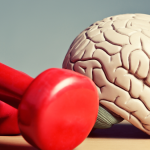
We’ve all heard that exercise is good for the heart and lungs. But did you know that every time you work out or go for a brisk walk, your muscles are actually “talking” to your brain?
Scientists call this the muscle-brain axis. When you move, your muscles produce chemical signals that travel through your blood and act like a high-grade fertilizer for your brain cells.
The brain’s “miracle-grow”: BDNF
The superstar of this conversation is a protein called Brain-Derived Neurotrophic Factor (BDNF). It’s a protein that acts as a growth factor within the nervous system, essential for the survival and growth of neurons. It is often referred to as “fertilizer for the brain” and it helps in four areas that are critical for brain health:
1. It supports the differentiation and growth of new neurons, acting as a neurotrophin to keep existing neurons functioning properly.
2. It’s essential for the mechanism behind learning and forming new memories.
3. It helps the brain remodel itself, allowing for recovery after injury or stress.
4. Reduced BDNF levels are associated with depression, anxiety, and neurodegenerative disorders.
Meet the messengers: Irisin and Cathepsin B
How does the brain know to produce this “miracle-grow”? It relies on messengers released directly from your working muscles:
- Irisin: This is often called the exercise hormone. When you do cardio, your muscles release Irisin, which travels to the brain and flips the switch to start producing more BDNF.
- Cathepsin B: This messenger is like a construction foreman. Research shows it helps with neuronal regeneration, essentially helping your brain build new connections and improve your memory.
Research also indicates that physically active individuals have a lower risk of developing dementia. Additionally, exercise improves vascular health by reducing the risk of hypertension and stroke, both of which can negatively impact brain function.
The “smart” workout: how to exercise for your mind
You don’t need to be an elite athlete to get these benefits. According to recent research and our guides here at The Health Insider, the best for your brain is a mix of different movements.
1. The “Memory Booster”: Aerobic Exercise
Examples: Brisk walking, swimming, rowing, cycling, or dancing.
Why it works: Cardio is the best way to trigger that Irisin-to-BDNF pipeline. It actually helps keep your brain from shrinking as you age.
Your Goal: Aim for 30 minutes, five days a week. If you’re short on time, even a 10-minute power walk makes a difference.
2. The “Focus Builder”: Strength Training
Examples: Lifting weights, using resistance bands, or doing bodyweight exercises like squats and push-ups.
Why it works: When your muscles work against resistance, they release growth factors that help with executive function, which is the ability to focus, plan, and ignore distractions.
Your Goal: Two sessions a week. As we’ve noted in our Stay Strong, Live Longer guide, you can do this at home using your own body weight!
3. The “Stress Reliever”: Mind-Body Movement
Examples: Yoga, Tai Chi, or even a mindful walk in nature.
Why it works: These activities lower cortisol (the stress hormone). Chronic, high stress can impair your brain, potentially leading to difficulties with focus, memory, emotional regulation, and an increased risk of mental health conditions; lowering it allows the BDNF to do its job.
The Health Insider’s “Brain-First” Fitness Tips
To get the most out of your movement, try these three simple habits:
Exercising outdoors has been shown to lower stress faster than gym workouts.
Try a dance class or a new sport. Challenging your brain to learn new movements creates even more neural connections.
You don’t have to run a marathon. Your muscles and brain are in a lifelong conversation. Keep them talking with regular, varied movement!
The next time you feel a bit “foggy” or forgetful, remember that the solution might be in your muscles. By staying active, you aren’t just building a stronger body; you are literally building a bigger, faster, and more resilient brain.
Watch The Health Insider’s Brain Expert Dr. Matt Galati discuss the top 6 evidence-based habits for better brain health. Can you guess what #1 is?
Subscribe to The Health Insider for more evidence-based health tips.
~ Read more from The Health Insider ~
- How Exercise Actually Grows Your Brain
 Your muscles feed your brain! Learn how to trigger the natural chemicals that protect your memory and sharpen your daily focus.
 - What Is Hantavirus and Should Canadians Be Concerned?Hantavirus is rare but serious. Here’s what Canadians need to know about symptoms, how it spreads, and how to protect yourself.
- Radon Is the Leading Cause of Lung Cancer in Non-Smokers and Most Canadians Haven’t Tested for ItOne in five Canadian homes may have elevated radon but only 12% have ever tested. Here’s what you need to know.
- Canada Just Approved a New Alzheimer’s Drug. Here’s What You Need to KnowHealth Canada has approved a new Alzheimer’s drug that targets the disease itself, not just symptoms. Here’s what Canadians need to know.
- White, Brown, or Omega-3? Decoding The Egg AisleIs a $4 carton better than a $10 one? We dive into CFIA regulations to reveal which eggs are health powerhouses and which are just hype.
- 4 Online Retailers Selling Affordable, Durable Eyewear for Active LifestylesDiscover the best affordable, durable eyewear for active lifestyles. Compare scratch-resistant and stylish options from Clearly, Zenni, and more.





The information provided on TheHealthInsider.ca is for educational purposes only and does not substitute for professional medical advice. TheHealthInsider.ca advises consulting a medical professional or healthcare provider when seeking medical advice, diagnoses, or treatment. To read about our editorial review process click here.