
Summary
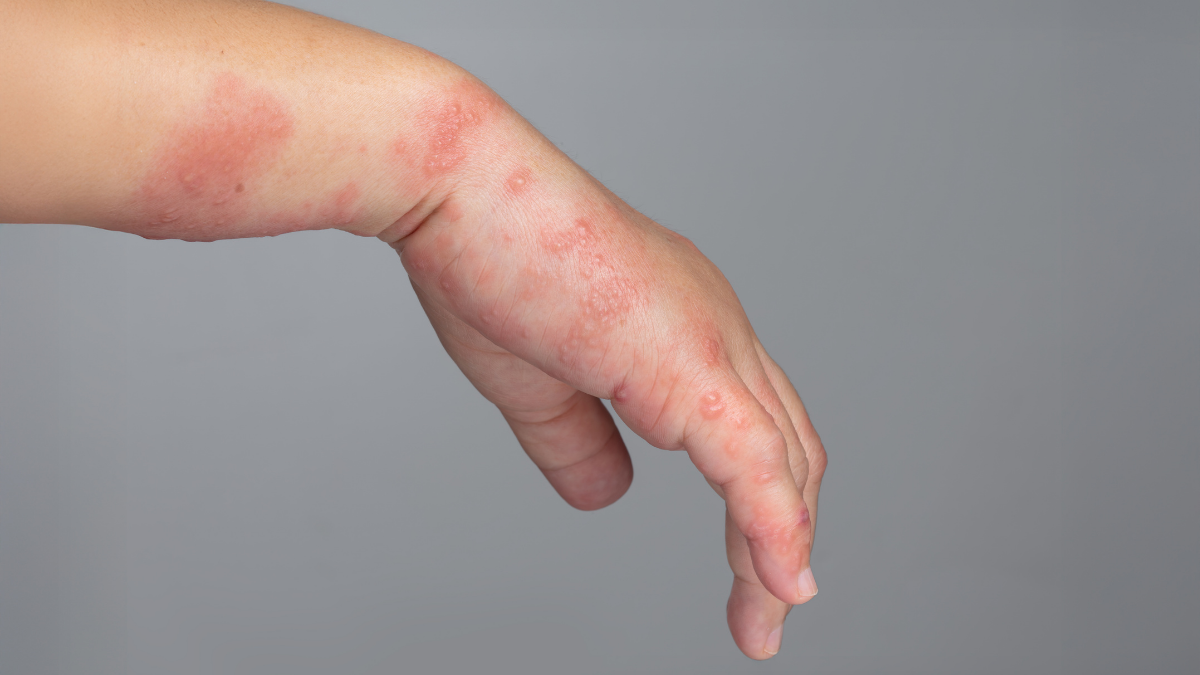
A new shows that while 77% of older Canadians fear shingles, most don't realize that conditions like heart disease, diabetes, and asthma make them more likely to get it. Doctors are urging patients over 50 to stop waiting and start a conversation about shingles prevention as part of their regular health checkups.
A national survey released today reveals a startling disconnect in Canadian healthcare: while 77% of older adults worry that shingles will disrupt their lives, more than half (55%) have no idea that their existing chronic illnesses significantly increase their risk of an outbreak.
The data suggests that millions of Canadians over the age of 50 are living with a “blind spot” regarding their immune health. Despite 69% of respondents fearing long-term hospital stays due to the virus, nearly half (46%) have never initiated a conversation about shingles with a healthcare professional.
The Awareness Gap: Who is Most at Risk?
The survey highlights a “procrastination paradox.” Canadians are concerned about the severity of shingles but are unaware of the specific triggers. According to the report, individuals managing the following conditions had the lowest awareness of their elevated risk:
- Cardiovascular Disease: Often overlooked as an immune factor, heart disease can increase shingles risk by 15%.
- Diabetes: Fluctuating blood sugar can weaken the body’s ability to keep the dormant virus in check.
- Respiratory Conditions (Asthma & COPD): Chronic lung inflammation is a major, yet under-recognized, risk factor.
- Chronic Kidney Disease: A known drain on the immune system that many patients don’t associate with skin or nerve infections.
More Than “Just a Rash”
The focus of the findings from the study is to reframe shingles as a serious complication of chronic disease management, rather than a standalone skin issue. For those with underlying health issues, shingles is more likely to result in:
- Post-Herpetic Neuralgia (PHN): Debilitating nerve pain that lasts for years.
- Hospitalization: 69% of survey respondents feared this outcome, which is a statistically higher reality for the chronically ill.
- Bidirectional Complications: Shingles doesn’t just happen because of heart disease; it may also contribute to cardiac events like heart attacks or strokes shortly after an outbreak.
A Call for “Proactive Conversations”
“Shingles can be particularly devastating and prolonged for those who are older or who are living with underlying health conditions,” says Michelle Horn, Country Medical Director at GSK Canada.
The survey results serve as a direct prompt for Canadians: if you are over 50 and managing a chronic condition, you are likely in the “at-risk” majority that hasn’t yet spoken to a doctor. Health experts are urging patients to move shingles awareness from a “maybe later” concern to an essential part of their routine chronic care.
Subscribe to The Health Insider newsletter where you’ll find many more insights – delivered straight to your inbox.
~ Read more from The Health Insider ~
- Good News for Coffee Lovers: Science Says Your Daily Cup Is Probably Doing You Good
 Is your daily coffee good for your health? Discover what recent research says about mortality, heart health, and how much coffee you should drink.
 - Top 5 Shock-Absorbing Running Shoes to Protect Your JointsSummaryDiscover the best shock-absorbing running shoes to protect your joints and improve recovery. Learn how proper midsole cushioning reduces impact forces on your feet, ankles, and hips during long road runs. Explore top-rated, comfortable footwear options from HOKA, Brooks, ASICS, New Balance, and Saucony for every stride. Running is one of the simplest ways to…
- Living Near a Golf Course May Raise Your Parkinson’s Risk, Study FindsA new study found people living within a mile of a golf course had significantly higher odds of developing Parkinson’s disease. Here’s what it means.
- IBD Is a Gut Disease. So Why Does It Start Affecting Mental Health Years Before Diagnosis?New research shows anxiety and depression often start years before an IBD diagnosis. Learn how chronic gut inflammation affects mental health.
- Fibroid Relief: New Treatments On The HorizonDiscover how groundbreaking, non-invasive treatments are restoring hope, preserving organs, and freeing women from life-altering fibroid pain.
- Canada’s Cigarette Packages Just Got a Lot Harder to IgnoreCanada has launched new graphic warnings on cigarette packs and individual sticks. Learn how these updated labels aim to reduce smoking rates.






The information provided on TheHealthInsider.ca is for educational purposes only and does not substitute for professional medical advice. TheHealthInsider.ca advises consulting a medical professional or healthcare provider when seeking medical advice, diagnoses, or treatment. To read about our editorial review process click here.