
Summary
A Canadian-made miniature camera is transforming brain imaging by allowing doctors to see inside blood vessels in real time. The innovation could improve surgical precision, safety, and outcomes for patients with complex neurological conditions.
When neurosurgeons need to navigate the brain’s most delicate blood vessels, precision is everything. Now, a groundbreaking Canadian-made device is helping doctors see what was once invisible.
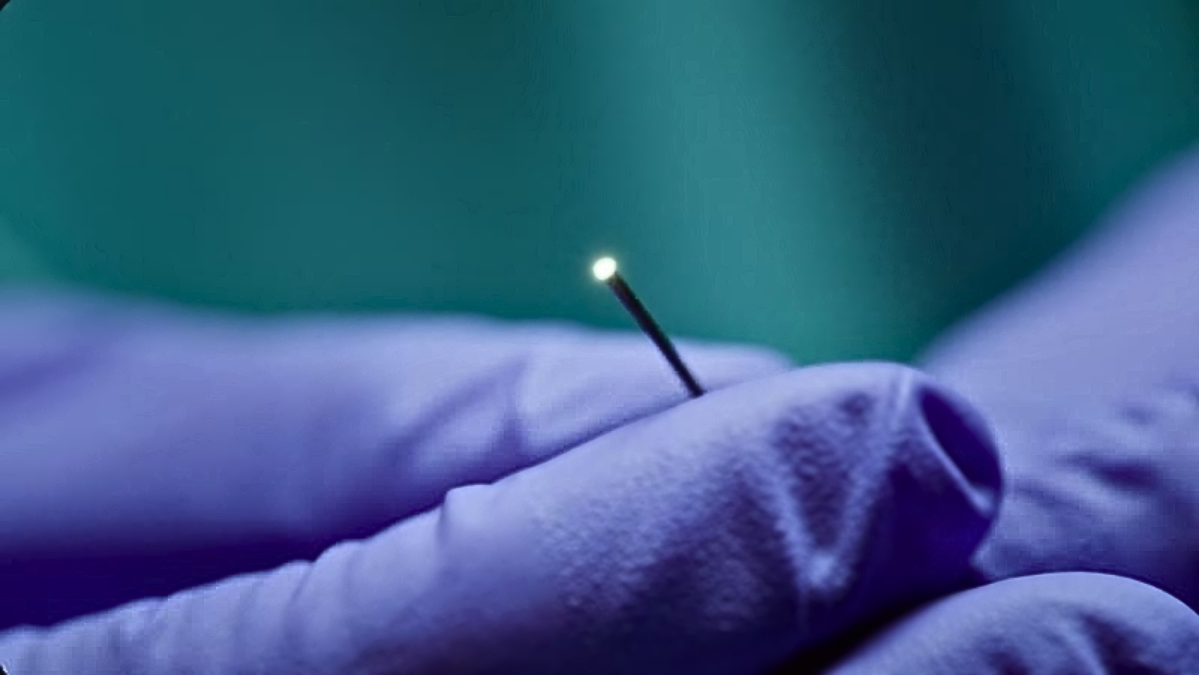
The Vena MicroAngioscope, developed by Vena Medical, a startup founded by University of Waterloo graduates, has become the world’s first intravascular imaging device with a licensed neurovascular indication. At less than a millimetre in diameter, this camera provides physicians with real-time, full-colour, direct visualization from inside the blood vessel. It’s a first-of-its-kind breakthrough that complements existing imaging tools like X-ray.
This means doctors can literally see inside the blood vessel as they operate, gaining real-time feedback to guide their decisions and improve patient outcomes.
Recently licensed by Health Canada, the Vena MicroAngioscope has already been used in over 30 procedures at major hospitals across the country, including The Ottawa Hospital, Toronto Western Hospital, University of Alberta Hospital, and Royal University Hospital.
“Health Canada’s license opens a new era for real-time intravascular imaging throughout the entire vascular system, including the brain,” said Adam Karamath, Senior Director of Commercial Operations, Vena Medical.
“With more than 30 successful commercial cases, Vena is bringing this technology into Canada first, where clinical adoption is beginning to show benefits already,” he said.
A Clearer View Inside the Brain
Traditionally, surgeons have relied on X-rays and dye injections to see inside blood vessels. While effective, these methods provide limited visibility, especially when navigating tiny, twisting arteries in the brain.
The Vena MicroAngioscope changes that by providing real-time video from inside the blood vessel itself. This allows physicians to visualize clots, aneurysms, and other blockages more precisely. This can mean faster, safer procedures and better outcomes for patients experiencing strokes or other neurovascular emergencies.
Physicians at The Ottawa Hospital were the first in the world to use the technology in a patient procedure. Dr. Robert Fahed used it to treat a patient who had suffered multiple strokes, allowing him to pinpoint the precise cause.
“From a clinician’s perspective, adding color, motion and surface detail from inside the vessel is a paradigm shift,” said Dr. Robert Fahed, Interventional Neurologist, The Ottawa Hospital.
“It’s an additional lens we can bring to complex cerebrovascular cases,” he said.
A Made-in-Canada Success Story
Founded in 2016 by University of Waterloo engineering alumni Michael Phillips and Phil Cooper, Vena Medical grew out of a vision to make minimally invasive neurosurgery safer. The company’s work has been supported by Velocity, the university’s startup incubator, and has attracted national attention for its potential to redefine how stroke and aneurysm treatments are performed.
Beyond its medical impact, the MicroAngioscope represents a major step forward for Canadian medtech innovation, proving that world-first technologies don’t only come from Silicon Valley or Europe, but from homegrown startups leveraging research and creativity.
Looking Ahead
As the device continues to roll out across Canadian hospitals, Vena Medical plans to expand internationally, with the goal of making the MicroAngioscope a standard tool in neurovascular surgery worldwide.
For patients, this could mean a future where brain surgeries are less risky, more precise, and far more effective, all thanks to a camera smaller than a grain of rice.
~ Read more from The Health Insider ~
- Greek Yogurt vs. Plain Yogurt: What’s Actually the Difference?
 Greek and plain yogurt look similar on the shelf, but their nutritional profiles tell a very different story for your health goals.
 - A New Tinnitus Treatment Has Arrived in Canada And It Uses Your TongueThis at-home device targets tinnitus at the brain level, helping many patients reduce symptoms with results lasting up to a year.
- Top Relief Tips To Beat Seasonal AllergiesTired of sneezing? Discover the best medicinal and natural ways to stop seasonal allergies in Canada. Get your survival guide today!
- Dark Chocolate: The Surprising Healthy TreatLearn how cocoa solids transform standard sweets into superfoods. We dive into the benefits of dark chocolate and why the percentage matters.
- What Is Hyperacusis? Charlie Puth Opens Up About Sound SensitivityFrom clinking dishes to city noise, everyday sounds can feel unbearable for those with hyperacusis. As Charlie Puth opens up, we explore symptoms, causes, and Canadian resources.
- Your Heart and Brain Are More Connected Than You ThinkCanada’s first brain-heart guideline calls on doctors to treat heart, brain, and mental health together. Here’s what patients need to know.






The information provided on TheHealthInsider.ca is for educational purposes only and does not substitute for professional medical advice. TheHealthInsider.ca advises consulting a medical professional or healthcare provider when seeking medical advice, diagnoses, or treatment. To read about our editorial review process click here.