Summary
A proactive guide to "pre-gaming" the gut for holiday feasting. Instead of waiting for a January reset, the article offers low-effort tips on fiber, hydration, and mindful pacing to help readers enjoy festive meals guilt-free. It includes a "Day-Of" checklist and post-meal recovery rituals to prevent bloating and sluggishness.
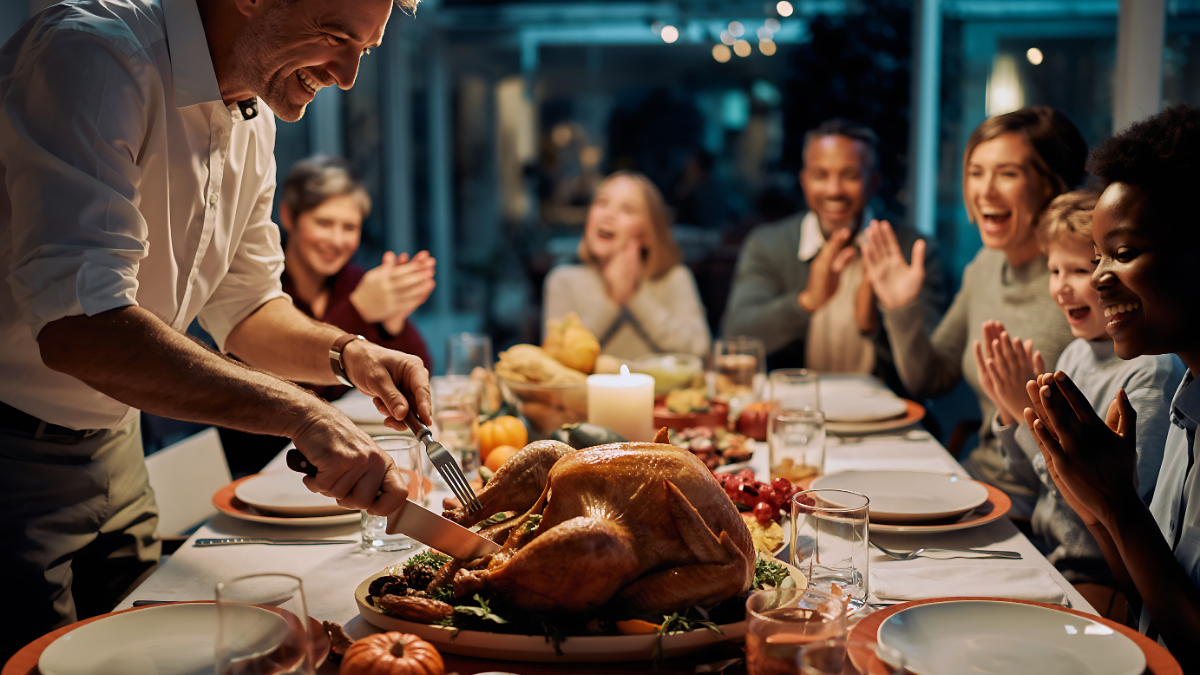
The holidays are a time for joy, connection, and, let’s be honest, magnificent food. But why do so many of us start December with anticipation only to finish it feeling sluggish, bloated, and guilty?
The common approach is to wait until January 1st to “detox” and reset. But what if you could enjoy the feasts, minimize the discomfort, and skip the guilt altogether?
The secret is Proactive Wellness, or what we like to call “Pre-Game” Recovery. Instead of waiting for the digestive distress to hit, you take simple, low-effort steps before and during the main events to ensure your gut is ready to handle the culinary marathon.
Here are three simple strategies to pre-game your gut and truly enjoy your holiday season.
1. 💧 Fortify the Foundation: Fibre and Hydration
Your digestive system is a high-performance machine. Before a big event (like Thanksgiving dinner or a Christmas buffet), you need to make sure you have enough lubrication and bulk to keep things moving smoothly.
- The Power of Proactive Fiber: For the three days leading up to a major meal, focus on boosting your soluble and insoluble fiber intake. Fiber is the essential “filler” that keeps you feeling full and helps usher food through the digestive tract.
- Actionable Tip: Start your day with a handful of nuts and seeds, swap refined white bread for whole grains, and add an extra serving of vegetables (like broccoli, brussels sprouts, or leafy greens) to your lunches.
- Hydration is Non-Negotiable: Water is crucial for softening fiber and preventing holiday-induced constipation. Sip consistently throughout the day, especially between meals.
- Actionable Tip: Keep a marked water bottle at your desk or in your bag. Set a goal to finish it twice before the main event. If you enjoy sparkling water, add a few slices of lemon and cucumber for an easy, detoxifying spritzer.
2. 🧠 Practice Mindful Movement: Pacing and Pausing
The biggest source of holiday discomfort isn’t the food itself, it’s the speed and volume at which we consume it. Give yourself permission to enjoy the experience, not just the food.
- Pacing Yourself at the Table: Your brain takes about 20 minutes to register fullness. If you eat a plate of food in 10 minutes, your gut is already overworked before your brain gets the signal to stop.
- Actionable Tip: Start with a smaller plate. After taking your first few bites, put your fork down. Take a sip of water, engage in conversation, and wait 30 seconds before picking up your fork again. Stop when your body tells you—not when the plate is empty. The leftovers will still be delicious tomorrow.
- The Post-Meal “Micro-Movement”: Resist the urge to collapse on the sofa immediately after dinner. A little movement goes a long way to aiding digestion.
- Actionable Tip: Gather the family and go for a light, 15-minute walk. This gentle movement stimulates your digestive muscles, helping to prevent that heavy, stone-in-the-stomach feeling. If the weather is bad, simply stand up and walk around the house while chatting.
3. ☕ Digest with Intention: The Soothing Sip
One of the easiest, most enjoyable digestive aids you can implement is the post-meal herbal tea ritual.
- Choose Your Digestive Ally: Instead of reaching for a cocktail or heavy dessert wine after dinner, brew a soothing herbal infusion.
- Peppermint Tea: Acts as a natural antispasmodic, which can help relax the muscles of the digestive tract and ease bloating.
- Ginger Tea: A classic aid that helps speed up stomach emptying, relieving that “too full” feeling.
- The “Insider” DIY Blend: You don’t need fancy store-bought bags to get the benefits. One of our favorite community-tested recipes is a Cinnamon-Ginger-Clove infusion.
- The Recipe: Simmer 2 cinnamon sticks, an inch of fresh peeled/sliced ginger, and 4 cloves in a pot of water for 15 minutes.
- The Benefit: Not only does it smell like the holidays, but ginger and cloves are powerhouses for soothing the gut, while cinnamon helps manage blood sugar response.
Actionable Tip: Whether you invest in a high-quality herbal tea set for convenience or brew your own fresh blend, make this your new holiday tradition. It’s a comforting ritual that tells your body it’s time to wind down and digest.
To minimize post-meal discomfort, follow these simple steps on the day of your big feast:
💚 Your Day-Of-Feast Checklist
- Morning Fuel: Eat a light, fiber-rich breakfast (like oatmeal or a smoothie) to activate your gut and prevent ravenous overeating later.
- The Pre-Game Drink: Finish your third glass of water 30 minutes before the meal starts. Being well-hydrated helps your body process the incoming food better.
- The Salad Starter: If possible, include a small portion of salad or raw veggies before the heavier dishes. This adds low-calorie bulk and signals to your stomach that food is coming.
- Check-In Halfway: When you feel about 80% full, stop. Take a 10-minute break from eating to talk and sip water. You can always come back for a small second helping later if you truly still want it.
- Walk It Out: Within an hour of eating, get moving for at least 15 minutes.
This holiday season, ditch the all-or-nothing approach. By implementing these simple, low-effort strategies before and during your feasts, you can support your gut, savour every moment, and walk into the New Year feeling energized, not depleted.
Ready to prioritize your well-being?
👉 Click here to subscribe to The Health Insider newsletter and get Canada’s best low-effort wellness guides, cutting-edge research, and proactive health tips delivered straight to your inbox!
~ Read more from The Health Insider ~
- Dark Chocolate: The Surprising Healthy Treat
 Learn how cocoa solids transform standard sweets into superfoods. We dive into the benefits of dark chocolate and why the percentage matters.
 - What Is Hyperacusis? Charlie Puth Opens Up About Sound SensitivityFrom clinking dishes to city noise, everyday sounds can feel unbearable for those with hyperacusis. As Charlie Puth opens up, we explore symptoms, causes, and Canadian resources.
- Your Heart and Brain Are More Connected Than You ThinkCanada’s first brain-heart guideline calls on doctors to treat heart, brain, and mental health together. Here’s what patients need to know.
- Top 5 Healthiest Foods to Incorporate In Your DietMaximize your nutrition with the our top 5 foods. Learn why “healthy” isn’t one-size-fits-all and how to eat these powerhouses safely.
- Best Compact Strength Training Machines for Canadian HomesDiscover affordable, space-saving strength training machines from top Canadian retailers to build muscle at home without a pricey gym membership.
- No More Fees for Medically Necessary Nurse Practitioner, Pharmacist and Midwife CareStarting April 1, 2026, seeing a nurse practitioner, pharmacist or midwife mean fewer out-of-pocket costs for your family.



The information provided on TheHealthInsider.ca is for educational purposes only and does not substitute for professional medical advice. TheHealthInsider.ca advises consulting a medical professional or healthcare provider when seeking medical advice, diagnoses, or treatment. To read about our editorial review process click here.