
Summary
With tens of thousands of Ontario students facing suspension this March, navigating Canada’s fragmented immunization registries is critical. This guide helps parents locate missing records through doctor archives, provincial portals, and digital tools like CANImmunize. Learn how to handle foreign record translations and "catch-up" schedules to ensure your child meets provincial mandates and maintains a lifelong "health passport" for school, work, and travel.
Every year, thousands of parents in some provinces receive urgent notices from school boards or public health units: “Update your child’s immunization records or face suspension.”In 2026 over 35,000 students across regions like Toronto, Windsor-Essex, and Niagara were recently flagged as being at risk for suspension this March.
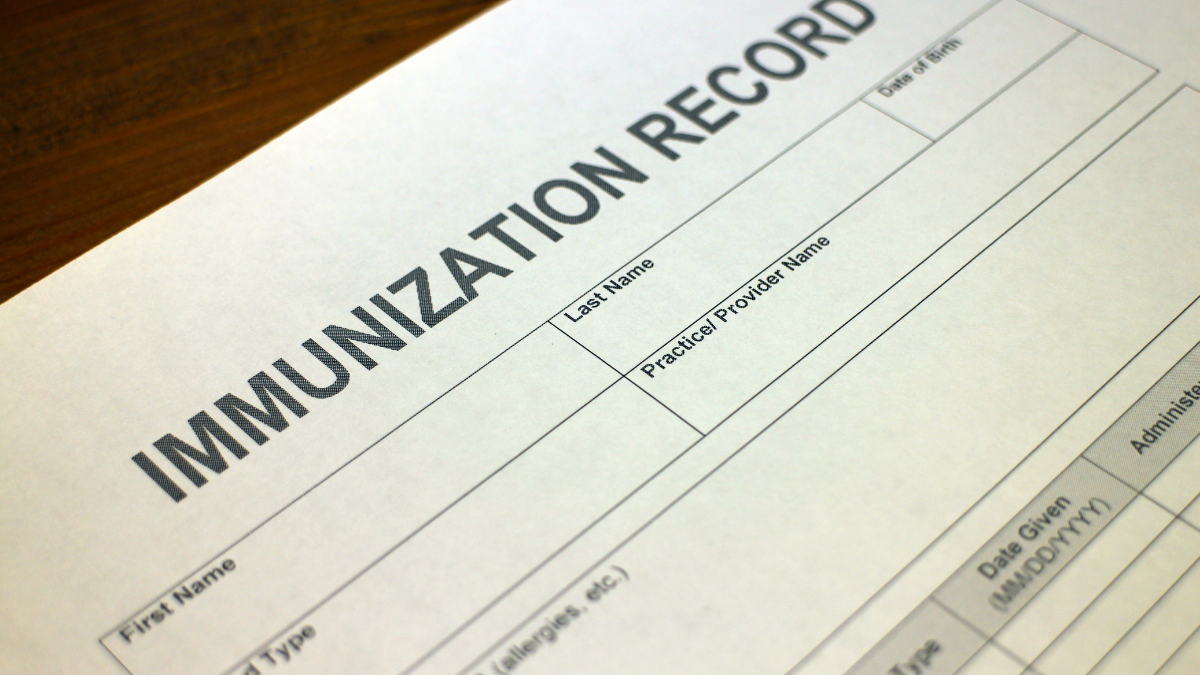
For parents and guardians, this inevitably leads to a frantic search for vaccination records. Because Canada doesn’t have a single national database, your child’s records might be in a family doctor’s filing cabinet, a provincial registry, or a yellow paper card tucked away in a baby book, or all these places. For families who have moved across provinces or arrived from outside Canada, the challenge is even greater.
While many children are up to date on their shots, the risk of suspension arises because their records haven’t been shared with their local Public Health Unit. According to Ontario’s Immunization of School Pupils Act (ISPA), it is the parent’s responsibility—not the doctor’s—to report these vaccinations. And for children attending school that were born outside of Canada, aggregating vaccination records can be even more challenging.
The goal of these mandates isn’t just paperwork—it’s about preventing outbreaks of serious diseases like Measles or Polio in the classroom. However, the “how-to” of reporting those records varies wildly depending on where you live as each province and territory has their own requirements as it pertains to school and mandatory immunizations.
The provincial landscape: what’s at stake?
The rules for “mandatory” vaccines to attend school vary depending on where you live:
| Policy Type | Provinces | The Reality |
| Mandatory by Law | Ontario, New Brunswick | Proof of immunization is required for school attendance. Public health units will issue suspension orders for missing records. |
| Mandatory for Entry | Manitoba, Newfoundland & Labrador | Records are typically required at the time of initial school registration. |
| Outbreak Exclusion | BC, Alberta, Quebec, etc. | Reporting is strongly encouraged. Unvaccinated students are generally only excluded during an active outbreak for their safety. |
Newcomers bringing international records to Canada
If your child was born outside of Canada, their records are your most important medical document.
- The Translation Rule: Records in languages other than English or French usually require a certified translation. Public health officials need to verify exact vaccine names and dates to ensure they match the Canadian schedule.
- The “Plan B” (Titer Tests): If records are lost, a doctor can perform a titer test (serology) to check for antibodies. However, this doesn’t work for all vaccines (like Polio), so a “catch-up” schedule of new shots is often the fastest path to compliance.
- Adults Matter Too: If you are an adult born abroad, find your records now. Many Canadian careers in healthcare, education, and emergency services require proof of immunity before you can be hired.
The “record rescue” checklist
If you’ve lost the “Yellow Card,” don’t panic. Follow these steps:
- Check at home where you organize medical records and other important papers. Many vaccination records start as physical cards (e.g., the “yellow card” in Ontario) given as infants when babies start getting vaccinated.
- Call your child’s doctor: Pediatricians in Canada must keep a child’s records for 10 years after they turn 18 (or 16 years in BC). If you are under 28, your first doctor or their secure record storage agent likely still has your file.
- Contact Local Public Health: Even if your doctor is retired,you can hopefully obtain your records if they’re still available, or your local health unit will often have an electronic copy in their registry. They should also have records of vaccinations that your child would have received through public health initiatives at school or vaccination clinics outside of your doctor’s office.
- Ask the Previous School: If your child is transferring, the old school’s office may have a copy of the record you submitted years ago.
Who do you need to give the records to?
In Canada, you don’t “upload” records to a national system. Instead, you report them to your local Public Health Unit.
In Ontario: Many regions use the ICON (Immunization Connect Ontario) portal. You can often upload a photo or scan of your (translated) foreign record directly into the system.
Other Provinces: You usually provide a copy to your local health office or your new family doctor, who then enters it into the provincial registry.
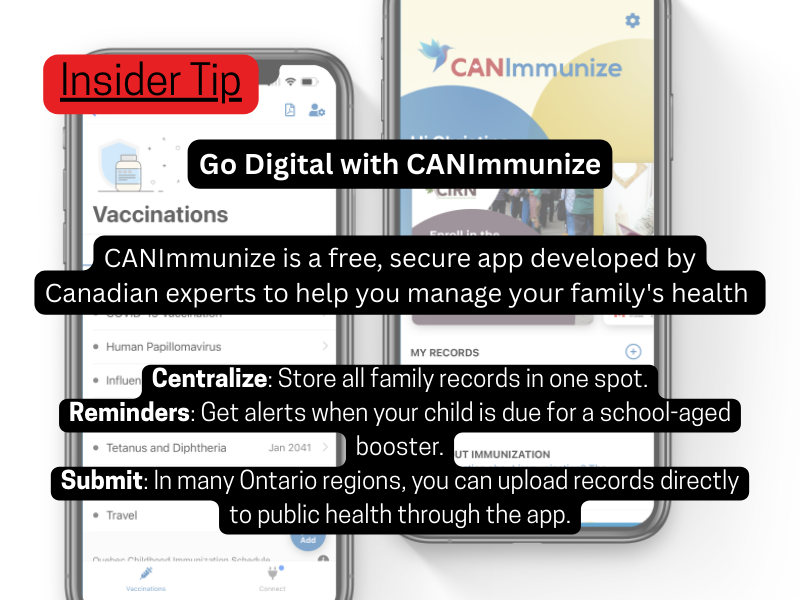
Don’t wait for a suspension letter to arrive. Whether for school, work, or travel, your immunization record is a lifelong asset.
Whether you are just starting your search or racing against a deadline, the most important step is to act now rather than waiting for a school notice to arrive. By taking control of your family’s immunization records today, you aren’t just checking a box for school compliance, you are building a permanent “health passport” that will protect your child’s education and future opportunities for years to come
~ Read more from The Health Insider ~
- A New Tinnitus Treatment Has Arrived in Canada And It Uses Your Tongue
 This at-home device targets tinnitus at the brain level, helping many patients reduce symptoms with results lasting up to a year.
 - Top Relief Tips To Beat Seasonal AllergiesTired of sneezing? Discover the best medicinal and natural ways to stop seasonal allergies in Canada. Get your survival guide today!
- Dark Chocolate: The Surprising Healthy TreatLearn how cocoa solids transform standard sweets into superfoods. We dive into the benefits of dark chocolate and why the percentage matters.
- What Is Hyperacusis? Charlie Puth Opens Up About Sound SensitivityFrom clinking dishes to city noise, everyday sounds can feel unbearable for those with hyperacusis. As Charlie Puth opens up, we explore symptoms, causes, and Canadian resources.
- Your Heart and Brain Are More Connected Than You ThinkCanada’s first brain-heart guideline calls on doctors to treat heart, brain, and mental health together. Here’s what patients need to know.
- Top 5 Healthiest Foods to Incorporate In Your DietMaximize your nutrition with the our top 5 foods. Learn why “healthy” isn’t one-size-fits-all and how to eat these powerhouses safely.






The information provided on TheHealthInsider.ca is for educational purposes only and does not substitute for professional medical advice. TheHealthInsider.ca advises consulting a medical professional or healthcare provider when seeking medical advice, diagnoses, or treatment. To read about our editorial review process click here.


