
Summary
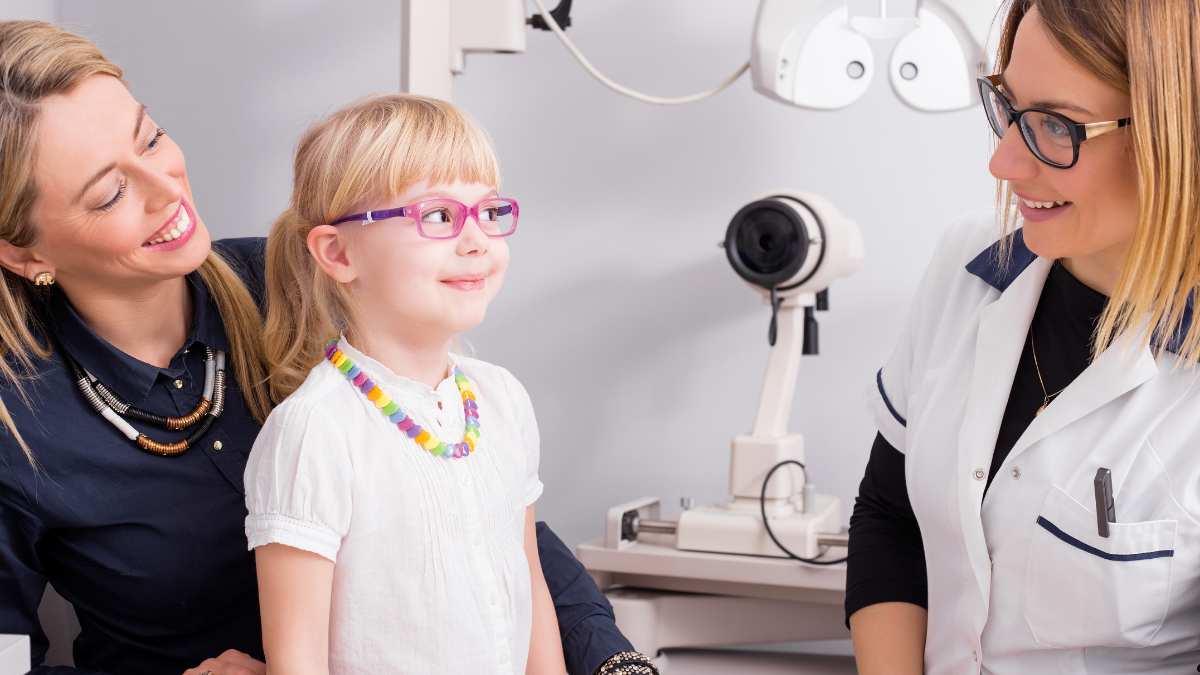
This article provides a practical guide to vision care in Canada. It explains the roles of optometrists, ophthalmologists, and opticians, outlines what provincial health plans cover for different age groups, details costs for routine adult exams, and offers guidance on when to seek urgent versus routine eye care. The piece also includes a recommended eye exam timeline to help Canadians protect their long-term vision and prevent avoidable sight loss.
If you’ve ever found yourself squinting at your provincial health plan website trying to figure out if your eye exam is covered, you’re not alone. Vision care in Canada is a complex mix of routine appointments, specialized medical services, and patchwork provincial coverage.
A 2025 report highlighted that one-third of Canadian adults are overdue for an eye exam. Affordability is the single largest barrier for 51% of Canadians.
Vision loss is a major public health concern, with over 8 million Canadians at risk of sight-threatening conditions. The good news? 75% of vision loss is preventable or treatable with early intervention.
This practical guide cuts through the confusion, clarifying the roles of different eye professionals, outlining your provincial coverage, and establishing a clear schedule for your family’s eye health.
🧐 Who Does What? Optometrists vs. Ophthalmologists vs. Opticians
Knowing who to book for your eye concern is the first step to navigating the system efficiently.
| Professional | What They Do | Prescriptions | When to See Them |
|---|---|---|---|
| Optometrist (O.D.) | The primary care provider for the eye. They conduct comprehensive eye exams, assess vision, prescribe and dispense corrective lenses (glasses/contacts), and diagnose, treat, and manage most common eye diseases like red eye, dry eye, and glaucoma. They are not medical doctors, but hold a Doctor of Optometry degree. | Yes. They can prescribe corrective lenses (glasses/contacts) and medication (eye drops or oral drugs) to treat most eye infections, inflammation, and diseases like glaucoma. | Routine eye exams, vision changes, updating prescriptions, managing common eye conditions (infections, allergies, dry eye), or a sudden, non-severe change in vision. |
| Ophthalmologist (M.D.) | A medical doctor (M.D.) who has specialized in the medical and surgical treatment of eye diseases. They perform complex procedures like cataract surgery and treat conditions like severe diabetic retinopathy and advanced glaucoma. Patients usually require a referral from an optometrist or family doctor. | Yes. As a physician, they can prescribe corrective lenses and any medication necessary for the eye and systemic health (the broadest prescribing authority). | Serious eye injuries, complex surgical needs (cataracts, retina repair), and management of chronic, severe eye diseases that require a physician-level of care. |
| Optician | A licensed technician who fabricates, fits, and dispenses vision aids (glasses, contact lenses) based on a prescription from an optometrist or ophthalmologist. They do not perform eye exams, diagnose, or treat eye diseases. | No. They can only fill and dispense prescriptions written by an Optometrist or Ophthalmologist. | Purchasing, fitting, or repairing your glasses and contact lenses. |
💰 What’s Covered? Provincial Health Plan Coverage Breakdown
Unlike visits to your family physician, routine eye exams for most Canadian adults are not covered by provincial health insurance. Coverage is generally focused on children, seniors, and medical necessity. Always confirm your specific eligibility and coverage frequency with your provincial medicare before your appointment to ensure your claim is covered.
🇨🇦 Routine Vision Care Coverage by Province
Note: This table summarizes coverage for routine comprehensive eye exams performed by an Optometrist. The cost of eyeglasses, contact lenses, or advanced diagnostic tests is not typically covered by these provincial plans. Medically necessary exams for conditions like diabetes, glaucoma, or acute issues are generally covered for all residents, regardless of age.
| Province + Source | Children/Youth Coverage | Seniors Coverage | Adult Routine Coverage (Ages ~20–64) |
|---|---|---|---|
| Ontario (ON) OHIP | Covered Annually (Ages 0–19) | Covered Every 18 Months (Ages 65+) Includes 2 follow-up minor assessments | Not Covered (Ages 19–64) Except adults 20–64 with eligible medical conditions |
| Quebec (QC) RAMQ | Covered Annually (Ages 0–17) | Covered Annually (Ages 65+) | Not Covered (Ages 17–64) Except with visual impairment |
| British Columbia (BC) MSP | Covered Annually (Ages 0–19) | Covered Annually (Ages 65+) | Not Covered (Ages 19–64) Unless medically required |
| Alberta (AB) AHCIP | Covered Annually (Ages 0–18) | Covered Annually (Ages 65+) | Not Covered (Ages 19–64) Unless medically required |
| Manitoba (MB) Manitoba | Covered Every 2 Years (Ages 0–18) | Covered Every 2 Years (Ages 65+) | Not Covered (Ages 19–64) |
| Saskatchewan (SK) SK Health / Supplementary Health Benefits | Covered Annually (Ages 0–17) Unless under Supplementary Health Benefits | Not Covered Except with Type 1/2 diabetes or Supplementary Benefits | Not Covered (Ages 19–64) Unless under Supplementary Health Benefits |
| New Brunswick (NB) NB Health Services / Healthy Smiles, Clear Vision | 1 eye exam for 4-year-olds through Healthy Smiles, Clear Vision Program | Not Covered (65+) Unless through Healthy Smiles, Clear Vision Program | Not Covered Unless under Healthy Smiles or Health Services Vision Program |
| Nova Scotia (NS) Nova Scotia | Covered Every 2 Years (Ages 0–9) | Covered Every 2 Years (Ages 65+) | Not Covered |
| PEI PEI Health Coverage | 1 free exam for Pre-K and K; support for Grades 1–6 | Not Covered (65+) Unless diagnosed with diabetes | Not Covered |
| Newfoundland & Labrador (NL) NL Health | $100 contribution every 12 months | $100 contribution every 36 months | $100 contribution every 36 months |
💰 Cost Check: What to Budget for Routine Adult Exams
Since routine adult eye exams are generally not covered by provincial health plans (for ages 20-64 without underlying medical conditions), budgeting for this preventative care is essential.
Typical Cost of a Comprehensive Eye Exam
The cost for a routine comprehensive adult eye exam in Canada typically ranges from $90 to $250, depending on the province and the clinic (e.g., independent practice vs. a large retailer). This fee covers the services of the optometrist (O.D.). It is a good practice to confirm the exact price when booking your appointment.
The Role of Private/Extended Insurance
If you have a private or employer-sponsored health plan (often called extended health benefits), it is highly likely you have an allowance for vision care.
- Most plans cover a portion of, or the full cost of, a comprehensive eye exam.
- Most plans provide a set dollar amount (e.g., $200–$350) every 1–2 years that can be used for either the exam or eyewear.
- Actionable Tip: Check your benefits package to see your “vision allowance” and the frequency (e.g., every 24 months) to maximize your coverage.
🚨 Urgent vs. Routine Care: When to Go to the O.D. or the E.R.
For non-emergency issues, your optometrist should be your first call. Many offer urgent appointments and can triage severe conditions for immediate referral to an ophthalmologist.
See Your Optometrist for Urgent Issues:
- Sudden onset of flashes or floaters (can signal a retinal tear).
- Sudden, partial vision loss (e.g., a “grey curtain” over part of your vision).
- Eye pain, excessive redness, or discharge (signs of a severe infection or inflammation).
- A foreign object that is stuck on the surface of your eye.
Go to the Emergency Room (or call 911) for True Emergencies:
- Chemical exposure or severe, high-velocity trauma to the eye.
- Protruding foreign object (e.g., a sharp object sticking out of the eye).
- Complete, sudden loss of vision in one or both eyes.
📅 Your Eye Exam Timeline: How Often Do You Need to Go?
The Canadian Association of Optometrists (CAO) recommends a standard schedule based on age and risk level. Do not wait for symptoms, many serious eye diseases, like glaucoma, have no noticeable symptoms until they are advanced.
| Age Group | Recommended Frequency | Rationale |
|---|---|---|
| Infants (6–9 months) | First eye exam | To check for proper development and detect congenital conditions. |
| Toddlers (Ages 2–5) | At least once | Essential for visual development before formal schooling begins. |
| School-Aged (Ages 6–19) | Annually |
Eyes change rapidly during growth, and vision issues can impact learning. Note: Individuals with Type 1 diabetes should be screened annually beginning 5 years after diagnosis . |
| Adults (Ages 20–39) | Every 2 years |
Standard for low-risk individuals. Note: Individuals with Type 2 diabetes should be screened annually or per Diabetes Canada . |
| Adults (Ages 40–64) | Every 2 years | Increased risk of age-related conditions after 40. Annual exams are required for patients with systemic high-risk conditions. |
| Adults (65+) | Annually |
Higher risk for cataracts,
AMD, and
glaucoma. Annual exams also required for diabetes or other high-risk conditions. |
Navigating our healthcare system can be daunting at the best of times. The Health Insider is here to provide assistance with understanding your options when it comes to eye care. Choosing the correct provider, knowing your coverage in advance and how to optimize your vision-care over the long term all matter when it comes to being proactive and investing in your long-term health and wellness strategy.
~ Read more from The Health Insider ~
- Dark Chocolate: The Surprising Healthy Treat
 Learn how cocoa solids transform standard sweets into superfoods. We dive into the benefits of dark chocolate and why the percentage matters.
 - What Is Hyperacusis? Charlie Puth Opens Up About Sound SensitivityFrom clinking dishes to city noise, everyday sounds can feel unbearable for those with hyperacusis. As Charlie Puth opens up, we explore symptoms, causes, and Canadian resources.
- Your Heart and Brain Are More Connected Than You ThinkCanada’s first brain-heart guideline calls on doctors to treat heart, brain, and mental health together. Here’s what patients need to know.
- Top 5 Healthiest Foods to Incorporate In Your DietMaximize your nutrition with the our top 5 foods. Learn why “healthy” isn’t one-size-fits-all and how to eat these powerhouses safely.
- Best Compact Strength Training Machines for Canadian HomesDiscover affordable, space-saving strength training machines from top Canadian retailers to build muscle at home without a pricey gym membership.
- No More Fees for Medically Necessary Nurse Practitioner, Pharmacist and Midwife CareStarting April 1, 2026, seeing a nurse practitioner, pharmacist or midwife mean fewer out-of-pocket costs for your family.





The information provided on TheHealthInsider.ca is for educational purposes only and does not substitute for professional medical advice. TheHealthInsider.ca advises consulting a medical professional or healthcare provider when seeking medical advice, diagnoses, or treatment. To read about our editorial review process click here.


