
Walk into a fast-food restaurant over the next few years and you might notice something subtle but significant: menus are shifting. Not just because of inflation or wellness trends, but also because a growing share of Canadians simply aren’t eating the way they used to.
A 2025 report from research firm Ipsos estimates that about 1.4 million Canadians are currently using GLP-1 medications. The report also notes that this number might triple by 2030. These drugs suppress appetite by slowing gastric emptying and increasing satiety. For many users, hunger fades, portion sizes shrink, and old habits — like swinging through the drive-thru — start to lose their appeal.
GLP-1 users consistently report eating less, eating less often, and opting for more nutritious foods:
- According to the Ipsos data, many users say they are choosing healthier foods and eating smaller portions.
- In Canada and abroad, GLP-1 adoption appears to correlate with reduced consumption of processed snacks, sweets, and fast-food takeouts. Australian and North American reporting has noted declining sales of these items among GLP-1 users.
These shifts challenge the traditional “supersize” culture that fast-food chains depended on for decades.
What’s Happening in the U.S. Gives a Preview for Canada
We often are able to look to our neighbours south of the border to see what’s coming. Because GLP-1 use got its start earlier in the U.S., and has continued surging since, the corresponding data gleaned offers a useful preview for Canadians:
- A research paper from the Cornell SC Johnson College of Business found that households with a GLP-1 user cut grocery spending by roughly 6% within six months of adoption. The decline was especially steep for calorie-dense, processed items like snacks. At the same time, dining-out expenses have also dropped.
- Industry commentary in Canada is already picking up: a recent article titled “Canada’s GLP-1 Shift Is Reshaping the Food Economy” discusses pressure on restaurants to re-think menus in light of shrinking appetites.
Taken together, these findings suggest the impact on fast-food, restaurant and grocery retail may be long-lasting. Restaurants, already known for a high rate of failure within the first 3 years of launching, are pivoting in order to respond:
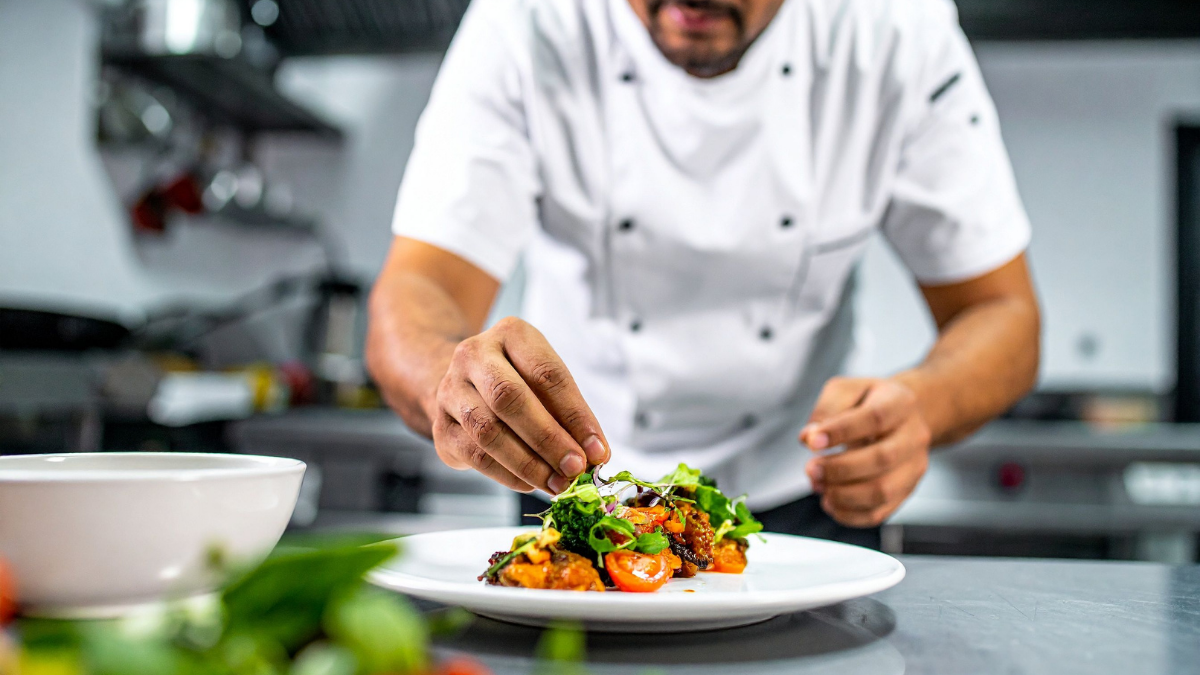
- Restaurants and retailers are exploring smaller-portion items, higher-protein meals, and more whole-food choices to cater to GLP-1 users and other health-conscious customers.
- The days of fast-food “supersize me” thinking may be coming to an end as there is growing evidence of menu re-engineering, portion size and nutritional content.
Where is this all heading?
For Canadians, these changes are mostly positive. From the sounds of it, whether we’re using GLP-1 drugs or not, we will continue having easier access to better eating choices: lighter meals, smaller portions, and more emphasis on nutrition over indulgence.
If you (or someone you care about) are using a GLP-1 drug, consider:
➡️ Prioritizing protein and nutrient-dense foods to avoid unintended nutrient deficits.
➡️ Planning meals consciously. When appetites are suppressed, it’s easy to under-eat.
➡️ Paying attention to overall dietary quality, not just portion size.
The Health Insider Takeaway
GLP-1 medications are doing far more than shaping weight-loss journeys. They may be reshaping the entire food economy. As millions of Canadians adopt these treatments, we’re likely to see lasting changes in how restaurants serve food, how people eat, and what “normal” portion sizes look like.
Notwithstanding the cost implications of this shift, we see this as a positive shift and one that certainly plays into a society striving to live longer and healthier.
At The Health Insider, we’ll continue to track these trends and help you navigate them whether you’re using GLP-1 medications, thinking about them, or just trying to eat more mindfully in a changing food landscape.
~ Read more from The Health Insider ~
- Top 5 Shock-Absorbing Running Shoes to Protect Your Joints
 SummaryDiscover the best shock-absorbing running shoes to protect your joints and improve recovery. Learn how proper midsole cushioning reduces impact forces on your feet, ankles, and hips during long road runs. Explore top-rated, comfortable footwear options from HOKA, Brooks, ASICS, New Balance, and Saucony for every stride. Running is one of the simplest ways to…
 - Living Near a Golf Course May Raise Your Parkinson’s Risk, Study FindsA new study found people living within a mile of a golf course had significantly higher odds of developing Parkinson’s disease. Here’s what it means.
- IBD Is a Gut Disease. So Why Does It Start Affecting Mental Health Years Before Diagnosis?New research shows anxiety and depression often start years before an IBD diagnosis. Learn how chronic gut inflammation affects mental health.
- Fibroid Relief: New Treatments On The HorizonDiscover how groundbreaking, non-invasive treatments are restoring hope, preserving organs, and freeing women from life-altering fibroid pain.
- Canada’s Cigarette Packages Just Got a Lot Harder to IgnoreCanada has launched new graphic warnings on cigarette packs and individual sticks. Learn how these updated labels aim to reduce smoking rates.
- Leafy Greens Ranked For Top Health BenefitsExplore our definitive ranking of Canadian summer greens. Learn the health benefits of local arugula, spinach, chicories & more.






The information provided on TheHealthInsider.ca is for educational purposes only and does not substitute for professional medical advice. TheHealthInsider.ca advises consulting a medical professional or healthcare provider when seeking medical advice, diagnoses, or treatment. To read about our editorial review process click here.


