Summary
Research from McMaster University and CAMH highlights that the gut produces 95% of the body’s serotonin. Key nutrients for mental resilience include tryptophan (aided by complex carbohydrates), Omega-3 fatty acids for brain structure, and probiotics from fermented foods to regulate anxiety. The text recommends a "Mood Plate" consisting of fiber-rich vegetables, lean proteins, and seeds like wild rice to maintain steady energy and improve long-term cognitive function.
For a long time, we’ve been told to eat well just to manage our weight or keep our hearts healthy. But the real reason to watch what’s on your fork is actually much closer to home: it’s the most effective way to manage how you feel every day.
What you eat doesn’t just fuel your muscles, it acts as a direct dial for your mood. By shifting from “eating for fuel” to “eating for feelings” you can use your daily meals to build better emotional balance and a sharper, clearer mind.
The Gut-Brain Connection
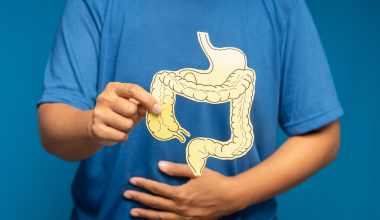
We’ve all felt “butterflies” in our stomach, but the connection between our gut and brain is a physical pathway. In fact, according to the Canadian Digestive Health Foundation, the gut microbiota produces over 95% of the body’s serotonin, directly impacting our sense of well-being.
Groundbreaking work from McMaster University’s Farncombe Family Digestive Health Research Institute has confirmed that this “gut-brain axis” is a two-way street. A healthy, diverse microbiome communicates directly with the brain to help regulate stress and anxiety. This is why Canadian nutritionists increasingly recommend fermented foods like yogurt, kefir, and sauerkraut; they act as natural “mood stabilizers” by maintaining a healthy environment for your gut bacteria.
The Tryptophan Tale: Beyond the Turkey Coma
The legendary “turkey coma” is often attributed to tryptophan, an essential amino acid found in turkey. Tryptophan is the raw material the body uses to produce serotonin, the “feel-good” neurotransmitter, which eventually converts into melatonin, the hormone that regulates sleep.
However, current nutritional science suggests that turkey doesn’t actually contain significantly more tryptophan than other common proteins like chicken or beef. The real “sedative” effect comes from the carbohydrate-heavy side dishes. Mashed potatoes, stuffing, and rolls cause a rapid insulin spike that clears other amino acids from your blood. This effectively “opens the gates” for tryptophan to reach the brain more easily, where it can then boost serotonin levels.
Omega-3s: The Brain’s Infrastructure
If tryptophan provides the fuel for your mood, Omega-3 fatty acids provide the structural support. The Centre for Addiction and Mental Health (CAMH) identifies these healthy fats as essential components of brain health and mood regulation.
Fatty fish such as salmon or trout are rich in EPA and DHA. These fats help reduce brain inflammation and improve how our neurons communicate. With the shorter, darker days of a Canadian winter, these fats are vital for maintaining emotional resilience.
The Power of Canadian Staples: Berries and Wild Rice
To round out your plate, look to indigenous Canadian staples. Canada’s Food Guide recommends choosing whole grains like wild rice to provide the steady energy needed to avoid “mood crashes.” Interestingly, wild rice isn’t actually rice at all—it is the seed of a native North American aquatic grass. Because it is a seed rather than a refined grain, it is naturally higher in protein and fiber.
Additionally, current research from the University of British Columbia (UBC) is exploring how the microbiome can be leveraged to treat mood disorders, reinforcing the idea that a diet rich in plant-based variety and “beneficial bacteria” is a key pillar of mental health.
Your Mood-Boosting Strategy
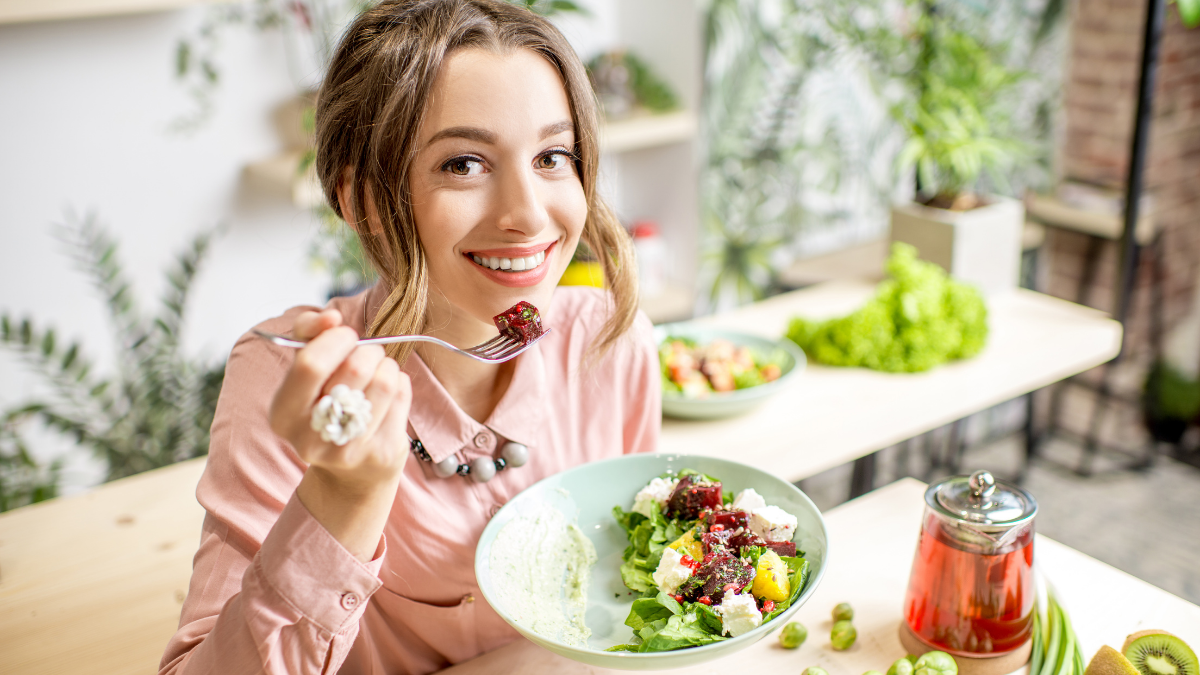
To keep your spirits high and your energy steady this season, try this “Mood Plate” configuration:
- 1/2 Plate: Roasted vegetables and leafy greens (Vitamins and fiber).
- 1/4 Plate: Chicken breast, roasted turkey, or salmon (The tryptophan source).
- 1/4 Plate: Wild rice or sweet potatoes (Complex carbs for steady energy).
- The Probiotic Kick: A side of fermented slaw or Greek yogurt dip.
- The Finish: A square of dark chocolate (70%+ cacao) to lower cortisol.
By understanding the chemistry of your kitchen, you can transform your meals from a source of fatigue into a powerful tool for mental clarity and joy.
Your Plate, Your Peace of Mind
Mental wellbeing isn’t just about what we think; it’s about how we nourish the “second brain” in our gut. By prioritizing tryptophan, probiotics, and Omega-3s, you are protecting your mind with every bite. Start small: add one mood-boosting staple to your next meal and feel the difference that nutritional science can make.
Enjoyed this deep dive into nutritional health? Don’t miss out on the latest science-backed tips for a healthier, happier life. Click here to subscribe to The Health Insider newsletter for expert insights delivered straight to your inbox.
~ Read more from The Health Insider ~
- Best Compact Strength Training Machines for Canadian Homes
 Discover affordable, space-saving strength training machines from top Canadian retailers to build muscle at home without a pricey gym membership.
 - No More Fees for Medically Necessary Nurse Practitioner, Pharmacist and Midwife CareStarting April 1, 2026, seeing a nurse practitioner, pharmacist or midwife mean fewer out-of-pocket costs for your family.
- The Rot or the Rest? Navigating the “Bed Rotting” TrendIs bed rotting self-care or a slump? Discover student perspectives and tips on how to turn this viral rest trend into actual recovery.
- Your Phone Is a Health Tool. Here’s How to Use ItYour phone might be hurting your health, or helping it. Discover the built-in tools that support better sleep, movement, and focus.
- 6 Foods That Help You Poop and Why They Actually WorkCan’t go? These 6 simple foods may help ease constipation and support more regular digestion, no harsh fixes needed.
- Why Top Surgeons Are Trading Caffeine for CreatineIt’s not just for the gym. See why your brain is a “metabolic furnace” that uses creatine to prevent fog and fatigue.





The information provided on TheHealthInsider.ca is for educational purposes only and does not substitute for professional medical advice. TheHealthInsider.ca advises consulting a medical professional or healthcare provider when seeking medical advice, diagnoses, or treatment. To read about our editorial review process click here.