
Summary
Saunas are surging in popularity across Canada, blending ancient tradition with modern medical science. From the landmark Finnish study on heart health to emerging research on BDNF for brain vitality, the benefits of heat therapy are clear. This article explores the differences between traditional and infrared saunas—comparing costs, installation, and therapeutic impacts—while providing a vital safety checklist and buying guide for Canadians looking to invest in their long-term wellness.
The practice of sauna is gaining mainstream popularity across Canada, but the idea of “getting super sweaty” with others is anything but new. Indigenous communities have long used sweat lodges as sacred spaces for reflection, healing, and ceremony. Ancient Romans treated their thermae, or public baths, as lively hubs where wellness and social connection went hand in hand, while the Finnish sauna practice (sauna is in fact, a Finnish word) stretches back thousands of years, traditionally serving as a space for hygiene, healing, childbirth, and spiritual renewal.
Today’s sauna revival blends these traditions with modern wellness goals: surprising heart health benefits, reduced stress, and the simple pleasure of a healthy, slightly adventurous experience. With the rise of infrared technology, accessing these benefits has never been easier.
Cardiovascular impact
Medical research is driving this surge in popularity. A growing body of evidence links regular sauna use to better heart health, an especially important consideration in Canada, where cardiovascular disease remains a leading cause of death.
One of the most influential studies comes from 2015, led by Dr. Jari Laukkanen at the University of Eastern Finland. Published in JAMA Internal Medicine, his team followed 2,315 men over 20 years with striking results:
- 2–3 times per week: Associated with a 22% lower risk of sudden cardiac death.
- 4–7 times per week: Associated with a 63% reduction in risk.
The physiological “workout” your heart gets from heat, including increased heart rate and improved blood vessel dilation, mirrors the benefits of moderate-intensity exercise.
Mental health benefits
While the physical benefits are well-documented, the impact on the brain is arguably just as profound. Modern science suggests that heat therapy may be a powerful tool for mental resilience.
Sauna use has been shown to help regulate cortisol, the body’s primary stress hormone. While a session causes a brief, healthy spike in cortisol (a form of “hormetic” stress, which is “good” stress), regular users often see a long-term reduction in baseline levels. Research published in The Journal of Clinical Psychiatry indicates that this “thermal stress” can act as a buffer, reducing symptoms of anxiety and depression.
“Miracle-Gro” for your brain
Exposure to high heat triggers the release of Brain-Derived Neurotrophic Factor (BDNF). This protein is often called “Miracle-Gro for the brain” because it supports the growth of new neurons and protects existing ones.
A 2021 study found that passive heat stress significantly increases BDNF levels, which helps explain why regular sauna users in the 20-year Finnish study saw a 65% lower risk of Alzheimer’s and dementia.
Infrared vs. traditional: which is better for you?
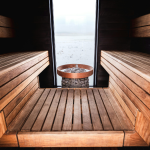
If you’re thinking about adding a sauna to your Canadian home, the big question is: Infrared or Traditional? Both offer heat therapy, but they work and cost differently.
Traditional Finnish Sauna (The Purist’s Choice)
- How it works: Heats the air (65–90 degrees) which then heats you.
- The Experience: Intense heat with the option for löyly (steam).
- Key Benefit: The most robust research base for cardiovascular longevity and “cathartic” sweating.
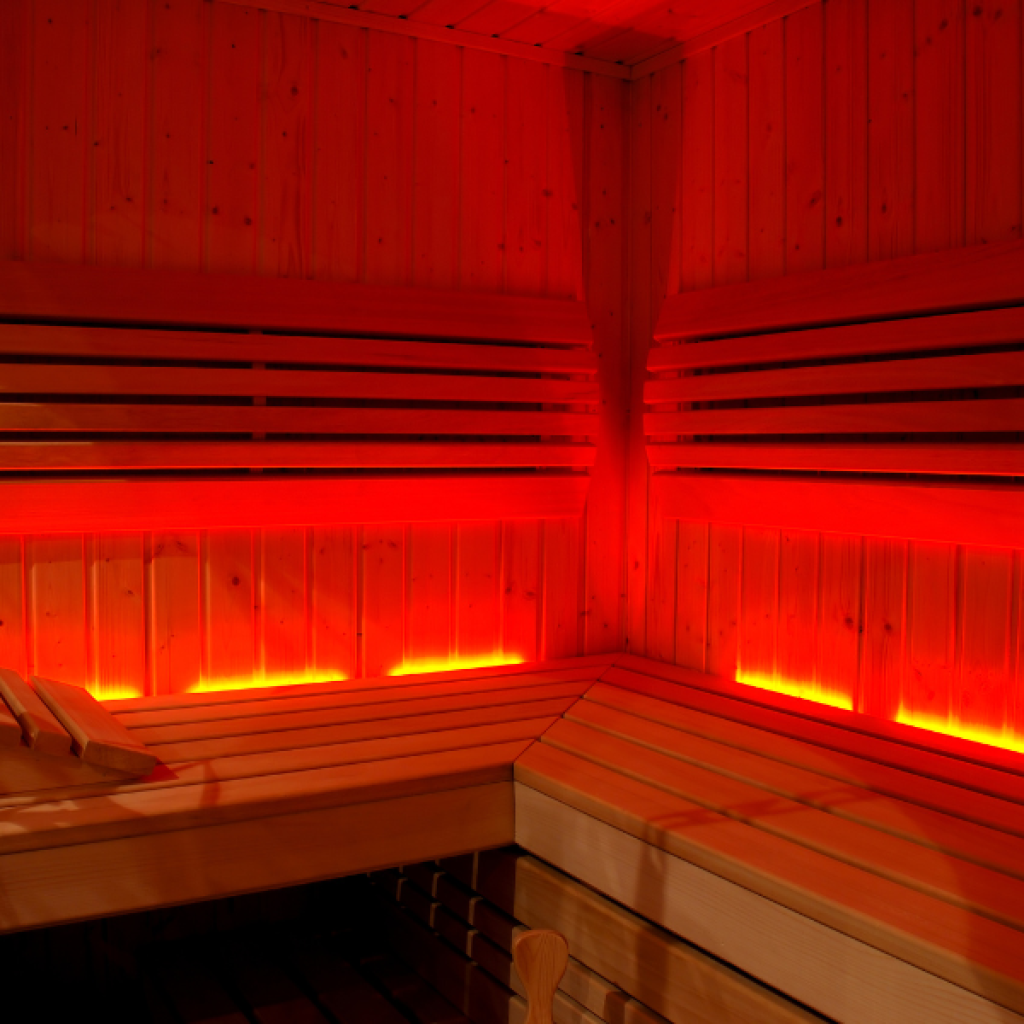
Infrared Sauna (The Modern Recovery Tool)
- How it works: Uses infrared light to heat your body directly (49–60 degrees)
- The Experience: Gentle, “deep” heat that feels more tolerable for longer sessions.
- Key Benefit: Research shows infrared is particularly effective for chronic pain, fibromyalgia, and rheumatoid arthritis, as the light penetrates deeper into muscle tissue than hot air.
Safety first
Still, saunas aren’t for everyone. The intense heat can pose risks for those with unstable heart conditions or low blood pressure.
For those who are pregnant: Current Canadian guidelines suggest caution when using hot tubs and saunas during pregnancy. While some research indicates short sauna sessions (under 20 minutes) may be safe, many providers recommend avoiding saunas in the first trimester to prevent core body temperature from exceeding 39 degrees Celsius. Always check with your healthcare provider before starting a new routine.
Cost comparison (Canada)
| Feature | Infrared Sauna | Traditional Sauna |
|---|---|---|
| Up-front Cost | $3,000 – $16,000 | $6,000 – $11,000+ |
| Installation | Plug-and-play (Standard outlet) | Requires 240V circuit ($1k–$3k fee) |
| Operating Cost | ~$2–$16 / month | ~$15–$30 / month |
At-home buying guide: what Canadians should look for
Investing in a home sauna is a big decision. Here is what to prioritize to ensure your investment lasts:
- Wood Quality: * Canadian Red Cedar: The gold standard for its natural resistance to rot, moisture, and its iconic aroma.
- Hemlock: A great, budget-friendly alternative that is hypoallergenic and has a modern, light-colored look.
- Electrical Requirements: * Infrared: Most 1-2 person units are “plug-and-play” (120V).
- Traditional: Most require a dedicated 240V circuit. Ensure your heater carries a CSA (Canadian Standards Association) label for insurance and safety compliance.
- Low EMF (Infrared Only): If choosing infrared, look for units certified as Low EMF (Electromagnetic Fields) and Low ELF (Extremely Low Frequency). Reputable brands will provide third-party testing showing levels below 3 milligauss 3mG.
- Indoor vs. Outdoor: Outdoor saunas in Canada require extra insulation and a sloped roof to handle snow loads and -20 degree winters.
Health Insider Takeaway
Choose Infrared if: You are focused on joint pain relief, have a lower heat tolerance, or want an easier, lower-cost home installation.
Choose Traditional if: You want the classic steam experience and the highest level of cardiovascular conditioning.
🛑 The Sauna Safety Checklist
Before you step into the heat, keep these safety protocols endorsed by the Heart and Stroke Foundation of Canada in mind:
-
💧
Hydrate First Drink at least 1–2 glasses of water before entering and another 2 glasses immediately after.
-
⏱️
The 20-Minute Rule If you are a beginner, start with 5–10 minutes. Even experienced users should cap sessions at 20–30 minutes to avoid heat exhaustion.
-
🚫
Skip the Alcohol Never use a sauna while or after consuming alcohol. It increases the risk of dehydration, heart arrhythmia, and dangerous drops in blood pressure.
-
🌡️
Cool Down Gradually Avoid jumping straight into a freezing snowbank or ice bath if you have a history of heart issues; the sudden “shock” can spike blood pressure.
-
⚠️
Listen to Your Body If you feel dizzy, nauseous, or develop a headache, exit immediately.
A tool for lasting vitality

As Health Insiders navigate the demands of modern Canadian life, the resurgence of sauna culture offers more than just a reprieve from the cold; it provides a scientifically backed path to a more resilient heart and a clearer mind.
Whether you choose the traditional roar of a Finnish heater or the gentle, deep-penetrating warmth of an infrared unit, you are participating in a timeless ritual of healing and connection. By integrating these “healthy stresses” into your routine, you aren’t just chasing a trend, you are investing in a future of longevity, one sweat at a time.
The journey to better health is often a marathon, but in the warmth of the sauna, it can also be a moment of profound peace.
Ready to take charge of your wellness journey? Let us do the research so you don’t miss out on the latest breakthroughs in Canadian health and wellness. Sign up for The Health Insider newsletter today to get exclusive access to expert research, innovative products, and practical tips designed to help you live a longer, healthier life. Become an Insider today!
~ Read more from The Health Insider ~
- Exercise Variety: The Secret to Longevity?
 New research shows exercise variety is just as vital as volume. Learn why diversifying your workouts can slash mortality risk by up to 19%.
 - The Science of Sweat: How Saunas Boost Heart & Brain HealthExplore the life-extending benefits of sauna use. Compare traditional and infrared costs, health benefits and safety in our expert guide.
- Beyond the Cane: The 5 Top Mobility Devices for Independence and Faster RehabTired of tripping? Discover the 5 essential devices that help retrain your stride—from high-tech AFOs to stable rollators.
- This Simple Wearable Is Helping Seniors Walk With Confidence AgainA Montreal-made wearable helps older adults walk with confidence and reduces their risk of falling.
- Aging Isn’t All Decline: Study Shows Many Older Adults Rebound From Health SetbacksAccording to a new Canadian study, nearly 1 in 4 older adults improved their health and happiness in just 3 years after experiencing a health setback.
- Live Longer, Feel Better: 9 Blue Zones Habits Canadians Can Start TodayFrom plant-based meals to purpose-driven mornings, these Blue Zones lifestyle shifts can boost your longevity—starting now.




The information provided on TheHealthInsider.ca is for educational purposes only and does not substitute for professional medical advice. TheHealthInsider.ca advises consulting a medical professional or healthcare provider when seeking medical advice, diagnoses, or treatment. To read about our editorial review process click here.


