Summary
This article reviews five top mobility devices for achieving independent and confident walking, including the Heel2Toe Wearable for active gait correction, the Upright Rollator for posture and stability, and physical aids like the AFO Brace, Balance Board, and Quad Cane.
When you buy through our links, we may earn a commission. Learn More.
Walking is fundamental to independence, but age, injury, or neurological conditions can make a confident stride a challenge. Fortunately, the world of assistive technology has never been more advanced.
From smart wearables that actively correct your gait to rock-solid stability aids, here are five essential devices helping people relearn and master a strong, confident walking pattern.
1. The Therapeutic Breakthrough: Heel2Toe™ Walk-BEST Wearable
The Heel2Toe Walk-BEST Wearable represents a significant leap in gait training, moving beyond simple stability to active, real-time gait correction. Developed by physiotherapy professionals, this device targets a common issue in compromised walking: the shuffling, flat-footed step.
What It Does:
- Real-Time Auditory Feedback: The small sensor clips onto your shoe and uses inertial measurement units to analyze your steps. It provides a simple, positive “beep” every time you initiate a step with a strong heel strike, the optimal way to walk.
- Gait Retraining: By using sound, it engages the brain’s motor learning pathways, training muscles and joints to adopt a healthier, longer, and more confident stride.
- Ideal for: Older adults seeking better balance, and individuals with neurological conditions like Parkinson’s or post-stroke patients who need to re-establish a proper heel-to-toe pattern.
Why it stands out: Heel2Toe is less about temporary support and more about permanent, therapist-backed improvement. It’s a personal physical therapist you wear.
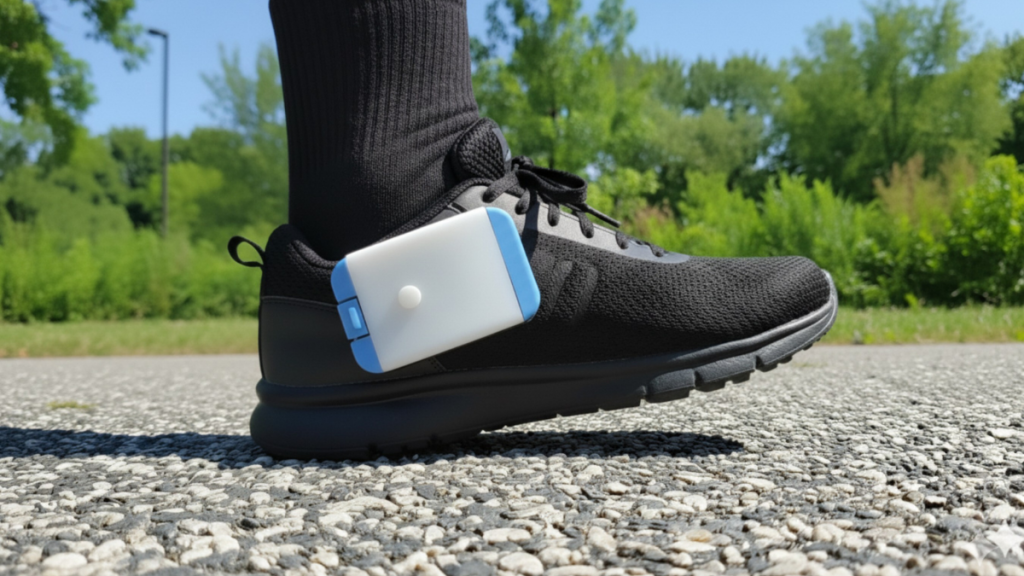
The Heel2Toe Walk-BEST Wearable is a therapeutic electronic device that attaches to the side of a shoe to improve walking gait. It provides positive auditory feedback to train the user to place their heel first when stepping, which helps lengthen the stride and correct a shuffling pattern.
2. Best for High-Tech Stability: The Upright Rollator Walker (The Posture Perfecter)
The traditional walker has evolved. Modern upright rollators promote better posture than standard models, which often encourage users to stoop, straining the back and neck.
What It Does:
Ideal for: Active seniors, users with general balance issues, and those who need a device for long-distance stability and resting breaks.
Promotes Upright Posture: The handles are positioned higher, near the user’s hands (often forearm supports), allowing you to stand straight and look forward, reducing strain and improving overall balance.
Safety and Convenience: These models are four-wheeled with reliable hand brakes and a built-in seat, making them excellent for longer outings or whenever a rest is needed.
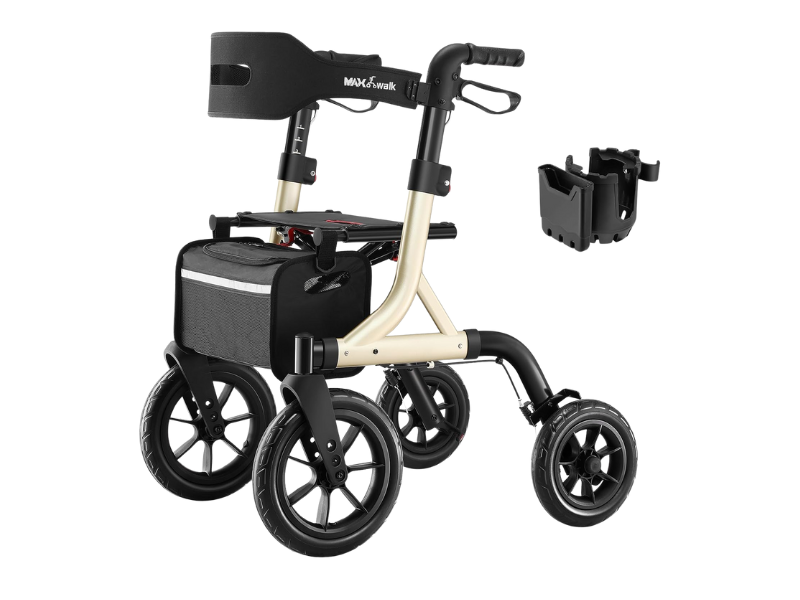
The MAXWALK Rollator Walker is a lightweight, aluminum mobility aid designed to enhance stability and promote better posture while walking. Featuring large, all-terrain rubber wheels, a foldable design, and adjustable handles and seat, it offers comfort and security for both indoor and outdoor use.
3. Best for Neurological/Foot Drop Support: The AFO Brace (The Foot Lifter)
While Heel2Toe provides auditory training for a good heel strike, an Ankle-Foot Orthosis (AFO) brace provides physical support for individuals who experience “foot drop”, the inability to lift the front part of the foot.
What It Does:
Ideal for: Users whose primary walking challenge is foot drop and who need constant, passive support to maintain foot clearance.
Direct Physical Assistance: AFOs or dedicated foot drop systems physically stabilize the ankle and lift the toes during the swing phase of the gait.
Increased Clearance: This physical support prevents tripping, making walking smoother, safer, and less energy-consuming for patients recovering from stroke, or those with conditions like Multiple Sclerosis (MS).
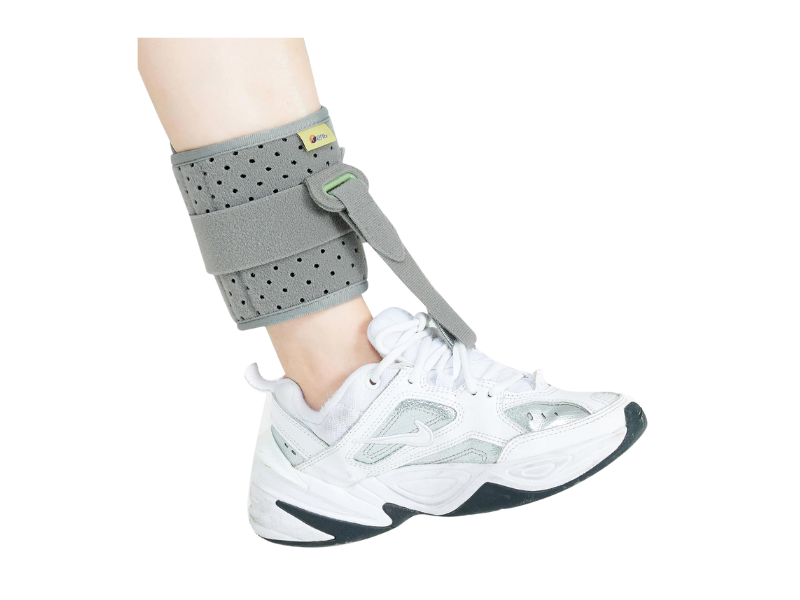
This Tenbon Adjustable Ankle Support Drop Foot Brace Orthosis provides stabilization for conditions like foot drop, Achilles tendonitis, and neuromuscular weakness. It features an adjustable Velcro closure system and offers multi-directional support to help improve alignment and facilitate mobility.
4. Best for Focused Lower-Body Strengthening: Balance Board (The Rehab Builder)
Improving walking requires strengthening the muscles used for balance, especially in the legs, core, and ankles. A balance board is a simple, affordable, yet powerful home rehab tool used by physical therapists.
What It Does:
Ideal for: Individuals who have progressed past the most acute stages of rehab but still need to build confidence and strength in their lower body to improve their gait.
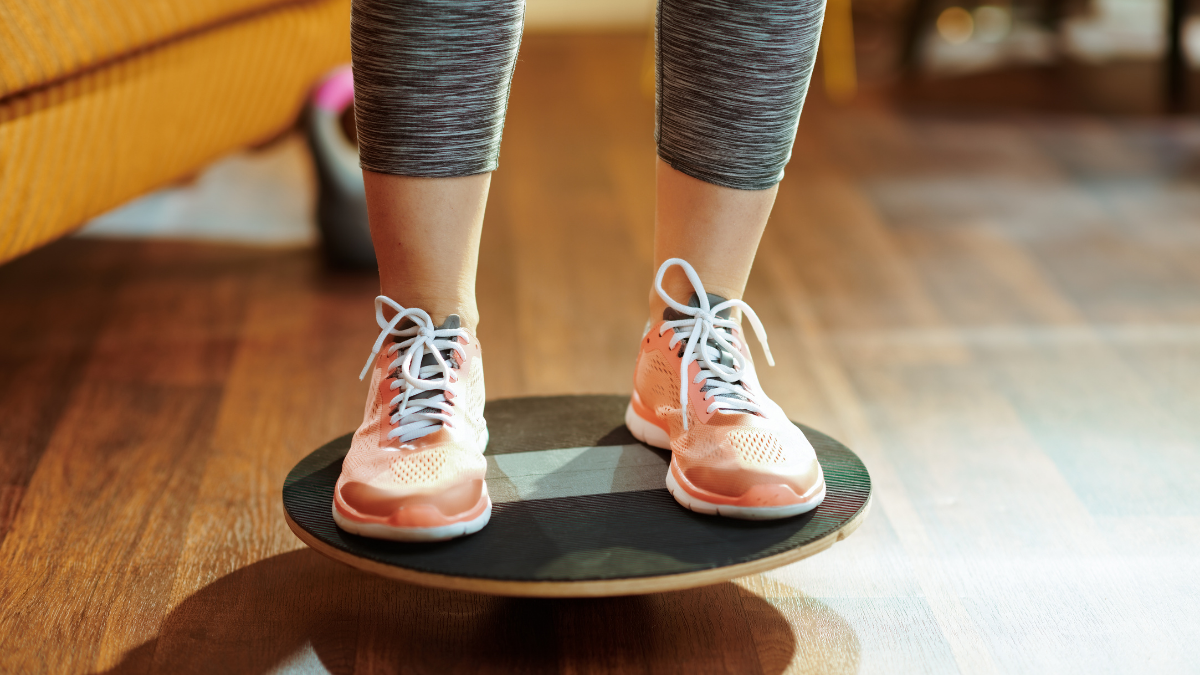
Activates Stabilizer Muscles: Standing on a balance board (while holding onto a secure surface initially) forces the ankle, knee, and hip muscles to constantly make tiny adjustments, strengthening the smaller, crucial stabilizing muscles that prevent stumbles and falls.
Versatile and Progressive: You can progress from standing on two feet to one foot, continually challenging your balance safely at home.
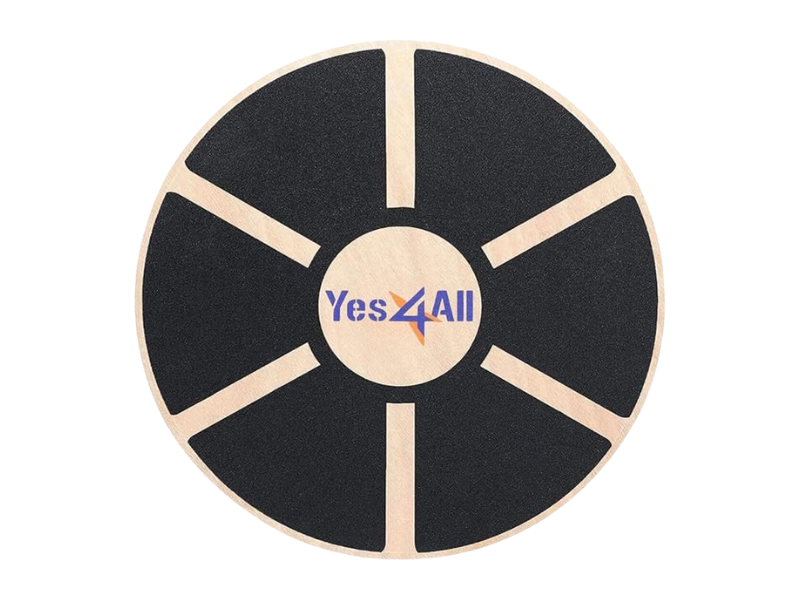
This wooden wobble balance board is a stability trainer designed for core strength, coordination, and physical therapy for ankle and leg injuries. With 360-degree rotation and up to a 15-degree tilt angle, it is a versatile aid for fitness and rehabilitation, suitable for all ages and skill levels.
5. Best for Minimal, Quick Support: The Quad Cane (The Four-Point Anchor)
For those who need more stability than a traditional single-point cane but aren’t ready for a full walker, the quad cane is the ideal middle ground.
What It Does:
Ideal for: Users with mild-to-moderate balance issues, temporary instability following an injury, or those who need to bear a small amount of weight on the device.
Four Points of Contact: The wide, four-pronged base offers significantly greater stability and a broader foundation than a standard cane, reducing the risk of slippage or tipping.
Self-Standing Feature: A major convenience, most quad canes stand upright on their own, meaning the user doesn’t have to bend over to pick it up or worry about it falling over.
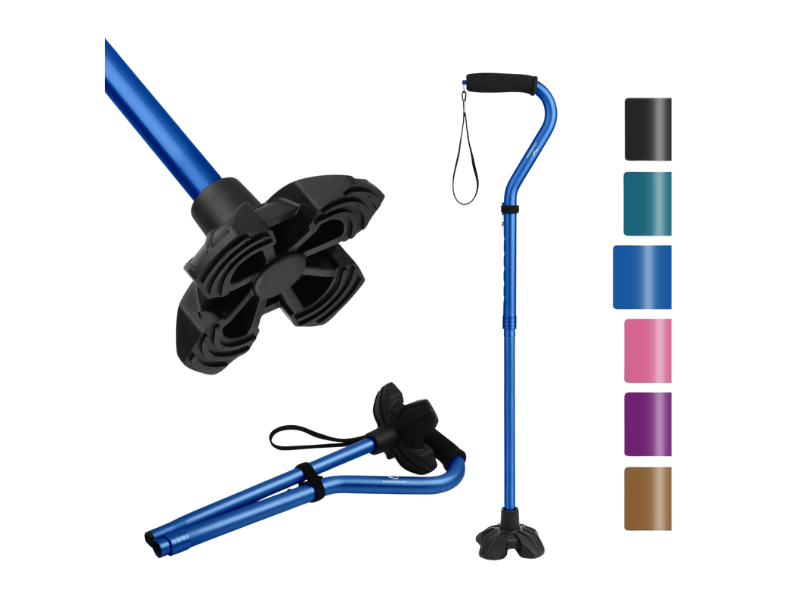
The KINGGEAR Large Base Quad Cane is a lightweight and sturdy walking stick with an offset handle and a four-pronged base for enhanced stability and self-standing capability. Crafted from anodized aluminum, the cane is adjustable in height and features a comfortable foam grip and slip-resistant rubber tips for improved traction.
💡 Finding Your Perfect Step
Whether you’re investing in the cutting-edge feedback of the Heel2Toe Wearable or securing your steps with a reliable Upright Rollator, the goal is the same: safer, more confident, and independent walking. Always consult with a physical therapist before starting a new walking device or exercise program to ensure it meets your specific health needs.
~ Read more from The Health Insider ~
- Top 5 Shock-Absorbing Running Shoes to Protect Your Joints
 SummaryDiscover the best shock-absorbing running shoes to protect your joints and improve recovery. Learn how proper midsole cushioning reduces impact forces on your feet, ankles, and hips during long road runs. Explore top-rated, comfortable footwear options from HOKA, Brooks, ASICS, New Balance, and Saucony for every stride. Running is one of the simplest ways to…
 - Living Near a Golf Course May Raise Your Parkinson’s Risk, Study FindsA new study found people living within a mile of a golf course had significantly higher odds of developing Parkinson’s disease. Here’s what it means.
- IBD Is a Gut Disease. So Why Does It Start Affecting Mental Health Years Before Diagnosis?New research shows anxiety and depression often start years before an IBD diagnosis. Learn how chronic gut inflammation affects mental health.
- Fibroid Relief: New Treatments On The HorizonDiscover how groundbreaking, non-invasive treatments are restoring hope, preserving organs, and freeing women from life-altering fibroid pain.
- Canada’s Cigarette Packages Just Got a Lot Harder to IgnoreCanada has launched new graphic warnings on cigarette packs and individual sticks. Learn how these updated labels aim to reduce smoking rates.
- Leafy Greens Ranked For Top Health BenefitsExplore our definitive ranking of Canadian summer greens. Learn the health benefits of local arugula, spinach, chicories & more.






The information provided on TheHealthInsider.ca is for educational purposes only and does not substitute for professional medical advice. TheHealthInsider.ca advises consulting a medical professional or healthcare provider when seeking medical advice, diagnoses, or treatment. To read about our editorial review process click here.