Summary
The Heart & Stroke Foundation’s new five-year guidelines emphasize that rescue breaths are essential when performing CPR on children and infants, as their cardiac arrests are usually respiratory. While "hands-only" CPR is still recommended for most adults, breaths are now critical for drowning or opioid-related cases. The update also advocates for training children under 12 and providing mental health support for survivors to improve long-term recovery across Canada.
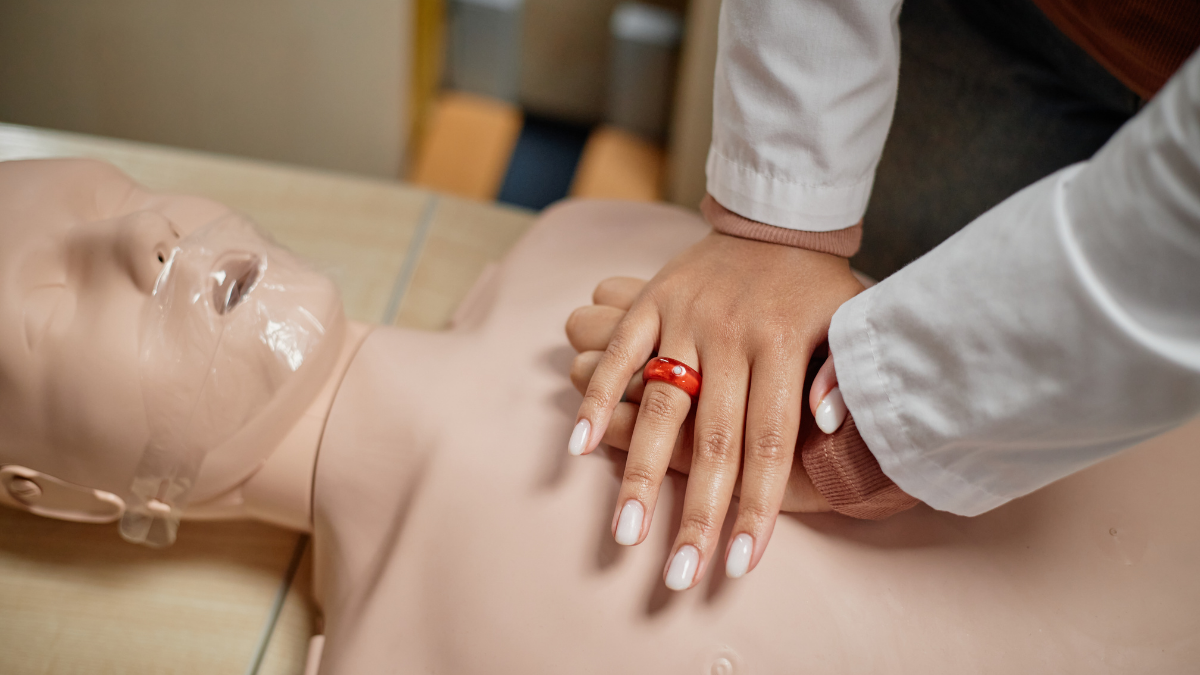
Every five years, the Heart & Stroke Foundation updates the national standards for how Canadians should respond to cardiac emergencies. The latest update, released recently, brings a major shift in focus: while “hands-only” CPR remains effective for most adults, rescue breaths are now considered essential for children and specific emergencies like drowning or overdoses.
With roughly 60,000 out-of-hospital cardiac arrests occurring in Canada annually—about one every nine minutes—understanding these new nuances can be the difference between life and death.
The Major Shift: Rescue Breaths for Children
For the past decade, the public message has focused heavily on “hands-only” CPR (chest compressions only) to keep things simple. However, Heart & Stroke researchers emphasize that children are not just small adults.
Most adult cardiac arrests are caused by a sudden heart problem where the blood still contains oxygen. In contrast, pediatric arrests are usually respiratory, caused by breathing issues like choking, asthma, or drowning. By the time a child’s heart stops, their oxygen levels are already dangerously low.
“Unlike adults, paediatric cardiac arrests often stem from respiratory issues, making oxygen delivery through breaths essential to improving outcomes,” says Dr. Farhan Bhanji, a pediatric expert involved in the new guidelines.
Beyond the Heart: Drowning and Opioid Emergencies
The 2025 guidelines also specify other scenarios where rescue breaths (ventilations) are critical for adult victims:
- Drowning & Choking: Because the primary issue is a lack of oxygen, providing breaths is vital.
- Opioid Overdoses: In cases of opioid-associated cardiac arrest, the guidelines reinforce the importance of initial breathing support and the use of Naloxone.
5 Key Updates You Should Know
- Instructional Support: 9-1-1 dispatchers are now trained to provide specific instructions for rescue breaths when the victim is a child or infant.
- Early Training: Heart & Stroke now recommends starting CPR training for children under the age of 12 to build confidence and willingness to help as they grow.
- Gamified Learning: To improve how well we remember these skills, new training programs will use “gamified” learning to make the techniques stick.
- AED Priority: Using an Automated External Defibrillator (AED) as soon as it is available remains the highest priority for all ages, as it can double the chance of survival.
- Survivor Wellness: For the first time, the guidelines call for emotional distress assessments for both survivors and their caregivers, noting that 1 in 4 experience significant psychological impact after an event.
Ultimately, Heart & Stroke’s goal is to ensure that no matter where a cardiac arrest happens, the “Chain of Survival” is strong enough to give every Canadian a second chance at life.
Subscribe to The Health Insider newsletter where you’ll find many more insights – delivered straight to your inbox.
~ Read more from The Health Insider ~
- Top 5 Healthiest Foods to Incorporate In Your Diet
 SummaryThis comprehensive guide expands on our viral Top 5 healthiest foods list, exploring the science behind leafy greens, salmon, blueberries, legumes, and walnuts. It moves beyond basic benefits to address critical details like pesticide risks (2026 Dirty Dozen), the “wild vs. farmed” salmon debate, and preparation techniques to neutralize antinutrients, providing a balanced blueprint for…
 - Best Compact Strength Training Machines for Canadian HomesDiscover affordable, space-saving strength training machines from top Canadian retailers to build muscle at home without a pricey gym membership.
- No More Fees for Medically Necessary Nurse Practitioner, Pharmacist and Midwife CareStarting April 1, 2026, seeing a nurse practitioner, pharmacist or midwife mean fewer out-of-pocket costs for your family.
- The Rot or the Rest? Navigating the “Bed Rotting” TrendIs bed rotting self-care or a slump? Discover student perspectives and tips on how to turn this viral rest trend into actual recovery.
- Your Phone Is a Health Tool. Here’s How to Use ItYour phone might be hurting your health, or helping it. Discover the built-in tools that support better sleep, movement, and focus.
- 6 Foods That Help You Poop and Why They Actually WorkCan’t go? These 6 simple foods may help ease constipation and support more regular digestion, no harsh fixes needed.






The information provided on TheHealthInsider.ca is for educational purposes only and does not substitute for professional medical advice. TheHealthInsider.ca advises consulting a medical professional or healthcare provider when seeking medical advice, diagnoses, or treatment. To read about our editorial review process click here.