
Summary
This article explores six foods that help relieve constipation naturally, including prunes, beans, and chia seeds, and explains how fibre, probiotics, and hydration support regular digestion. It also includes Canadian data on fibre intake and a practical table of additional high-fibre foods to help readers build a more gut-friendly diet.
Feeling backed up? These foods can help get things moving, naturally.
Constipation isn’t exactly a dinner table topic, but it’s incredibly common. In fact, about one in four Canadians experiences symptoms of constipation, according to the Canadian Digestive Health Foundation.
In general, having fewer than three bowel movements per week is considered constipation and while it may seem minor, it can lead to bloating, discomfort, and straining if left unaddressed.
The good news? One of the most effective ways to relieve constipation isn’t found in a pharmacy, it’s in your diet.
Most People Aren’t Getting Enough Fibre
Fibre plays a central role in digestion. It helps bulk up stool, retain water, and move waste more efficiently through the intestines.
Health Canada recommends about 25 grams per day for women and up to 38 grams for men, yet most Canadians fall far short of that target.
Low fibre intake is one of the most common contributors to constipation and increasing it, even slightly, has been shown to improve symptoms and reduce risk.
👉 Important: Increase fibre gradually and drink plenty of water to avoid gas or discomfort.
Not All Foods Work the Same Way
When it comes to relieving constipation, different foods help in different ways:
- Some add bulk
- Others soften stool
- Some feed gut bacteria
- Others act as natural laxatives
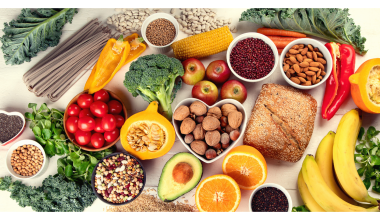
Here are six foods each working through a slightly different mechanism that can help you poop more regularly.
1. Prunes (Natural Laxative Effect)
Prunes are one of the most effective foods for constipation and one of the most studied.
They contain fibre + sorbitol, a natural sugar alcohol that draws water into the intestines and helps stimulate bowel movements.
They also contain compounds that may support gut motility.
A serving of about 5 prunes provides roughly 3 grams of fibre, along with sorbitol, which helps draw water into the intestines.
How to use them:
Eat 3–5 prunes daily or drink a small glass of prune juice.
2. Black Beans (Fibre + Gut Support)
Black beans are packed with both soluble and insoluble fibre, helping to bulk up stool and move it through the digestive tract.
They also contain resistant starch, which feeds beneficial gut bacteria and supports overall digestive health.
One cup of cooked black beans contains around 15 grams of fibre, making it one of the most fibre-rich foods you can eat.
How to use them:
Add to bowls, soups, or mash into a dip.
3. Yogurt (Probiotics for Gut Health)
Yogurt supports digestion differently, through probiotics, the beneficial bacteria in your gut.
These bacteria can help improve stool consistency and support more regular bowel movements.
While yogurt isn’t a significant source of fibre, it supports digestion through probiotics, which can help improve stool consistency and regularity.
How to use it:
Choose yogurt with “live and active cultures” and pair with fruit.
4. Apples (Pectin for Stool Softening)
Apples are rich in pectin, a soluble fibre that helps stool retain water and pass more easily.
Keeping the skin on gives you the most fibre benefit.
One medium apple with the skin provides about 4 grams of fibre, much of it in the form of pectin.
How to use them:
Eat whole, slice into yogurt, or pair with nut butter.
5. Chia Seeds (Gel-Forming Fibre)
Chia seeds are one of the most fibre-dense foods available.
When mixed with liquid, they form a gel that helps soften stool and support regular bowel movements.
Just two tablespoons of chia seeds contain nearly 10 grams of fibre, making them one of the most concentrated sources available.
How to use them:
Stir into yogurt, blend into smoothies, or make chia pudding. It’s best to soak chia seeds before eating. They can absorb up to 10–12 times their weight in liquid. Letting them sit for at least 10–20 minutes (or overnight) forms a gel that’s easier to digest and helps prevent discomfort.
6. Figs (Fibre + Natural Compounds)
Figs are rich in fibre and contain natural compounds that may help stimulate bowel movements.
They’re a simple, naturally sweet option that supports digestion.
A serving of about 3–5 dried figs provides roughly 4 to 5 grams of fibre, helping support regular bowel movements.
How to use them:
Eat dried figs as a snack or add to toast or salads.
More High-Fibre Foods That Help You Poop
The foods above are a great place to start, but they’re not the only options. If you’re trying to increase your fibre intake, here are a few more high-fibre foods that can support regular digestion.
These are options recommended by the Canadian Digestive Health Foundation (CDHF) as part of a fibre-rich diet.
| Food | Serving Size | Fibre (g) |
|---|---|---|
| Edamame | 1 cup | ~11 g |
| Raspberries | 1 cup | ~8 g |
| Artichoke (cooked) | 1 medium | ~5 g |
| Lentils (cooked) | ½ cup | ~5 g |
| Pear | 1 medium | ~5 g |
| Whole wheat bread | 2 slices | ~4 g |
| Almonds | ¼ cup | ~4 g |
Adding just one or two of these foods to your daily routine can significantly increase your fibre intake and help support more regular bowel movements over time.
Don’t Forget Water
Fibre works best when paired with fluids.
Without enough hydration, fibre can actually make constipation worse. Drinking enough water helps keep stool soft and easier to pass.
When to See a Doctor
Occasional constipation is common. But speak to a healthcare provider if:
- It lasts more than two weeks
- You have pain or bleeding
- There’s unexplained weight loss
Constipation is common but it’s often manageable with simple dietary changes.
Adding a mix of fibre-rich and gut-friendly foods can help you poop more regularly and support long-term digestive health, no drastic fixes required.
Subscribe to The Health Insider newsletter for more evidence-based insights delivered straight to your inbox.
~ Read more from The Health Insider ~
- Top 5 Shock-Absorbing Running Shoes to Protect Your Joints
 SummaryDiscover the best shock-absorbing running shoes to protect your joints and improve recovery. Learn how proper midsole cushioning reduces impact forces on your feet, ankles, and hips during long road runs. Explore top-rated, comfortable footwear options from HOKA, Brooks, ASICS, New Balance, and Saucony for every stride. Running is one of the simplest ways to…
 - Living Near a Golf Course May Raise Your Parkinson’s Risk, Study FindsA new study found people living within a mile of a golf course had significantly higher odds of developing Parkinson’s disease. Here’s what it means.
- IBD Is a Gut Disease. So Why Does It Start Affecting Mental Health Years Before Diagnosis?New research shows anxiety and depression often start years before an IBD diagnosis. Learn how chronic gut inflammation affects mental health.
- Fibroid Relief: New Treatments On The HorizonDiscover how groundbreaking, non-invasive treatments are restoring hope, preserving organs, and freeing women from life-altering fibroid pain.
- Canada’s Cigarette Packages Just Got a Lot Harder to IgnoreCanada has launched new graphic warnings on cigarette packs and individual sticks. Learn how these updated labels aim to reduce smoking rates.
- Leafy Greens Ranked For Top Health BenefitsExplore our definitive ranking of Canadian summer greens. Learn the health benefits of local arugula, spinach, chicories & more.




The information provided on TheHealthInsider.ca is for educational purposes only and does not substitute for professional medical advice. TheHealthInsider.ca advises consulting a medical professional or healthcare provider when seeking medical advice, diagnoses, or treatment. To read about our editorial review process click here.