Summary
Canada grows some of the world’s best beans, yet most Canadians eat very little of them. That’s a missed opportunity: beans are packed with protein, fibre, vitamins and minerals, support heart, gut and metabolic health, and cost far less than most protein sources. They’re shelf-stable, versatile, and grown locally. By adding more beans to weekly meals, Canadians can improve their health, stretch their food budget, and support Canadian farmers — all at once.
Canada is recognized as a world leader in bean production, exporting high-quality product to more than 70 countries globally. Despite this and even though they’re nutritious, affordable, and environmentally friendly, beans remain under-consumed in Canada.
Yet, beans are nutritional powerhouses, offering protein, fibre, vitamins, minerals and other health-promoting compounds. By embracing beans more regularly, Canadians could reap significant health, economic and dietary benefits, and also directly support local farmers.
What Are Beans and Why They Matter
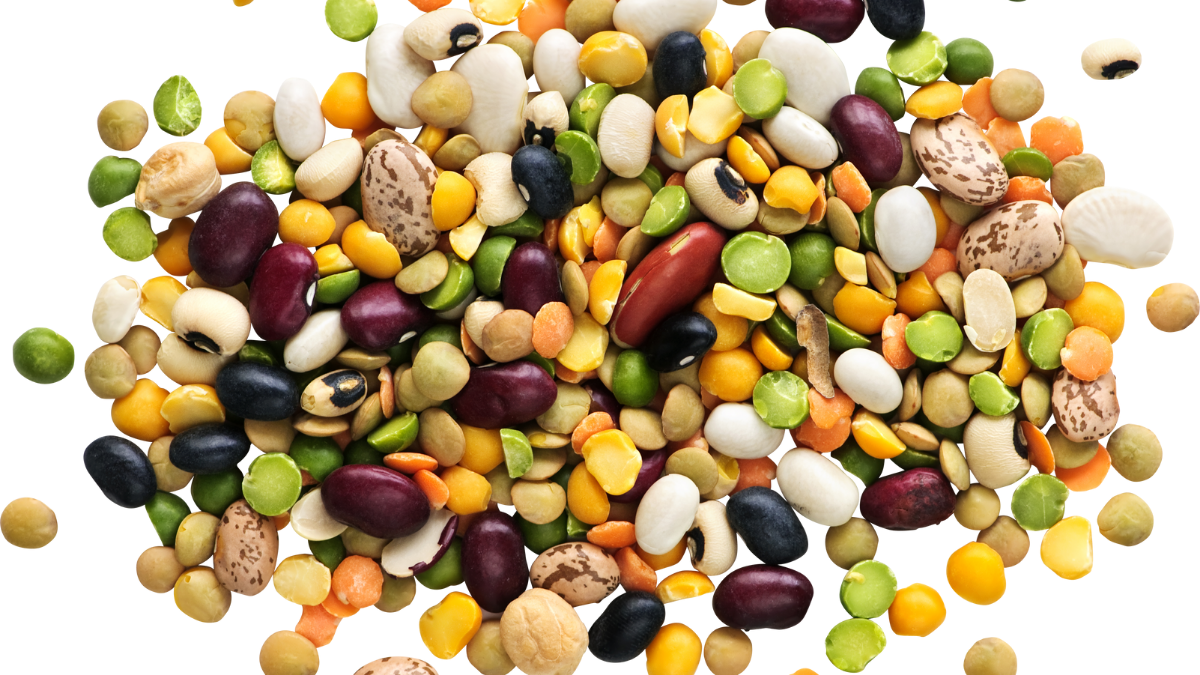
“Beans” refers broadly to a variety of legumes including black beans, kidney beans, pinto beans, chickpeas, navy beans, and many more. They’re widely available in dried or canned form, which means they’re shelf-stable, relatively inexpensive, and accessible to most households.
Different bean varieties offer a range of textures, flavours, and culinary uses, from soups, stews and chilis to salads, dips, tacos and casseroles. Their versatility makes them easy to integrate into everyday meals, whether you cook regularly or just want convenient, nutritious additions.
Health Benefits
Nutrient Density and Balanced Nutrition
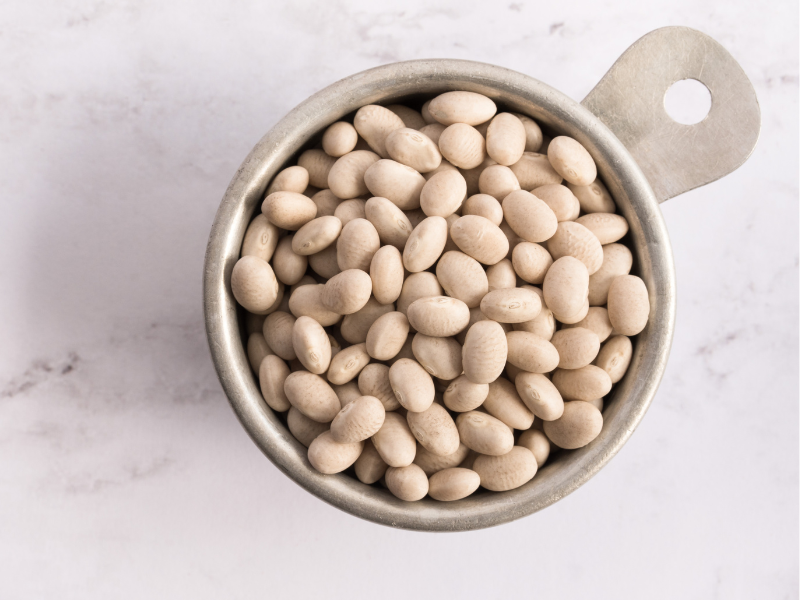
Beans deliver a robust mix of nutrients. They are high in plant-based protein, dietary fibre, complex carbohydrates, and important vitamins and minerals — including folate, iron, magnesium, potassium, copper, zinc, and more.
Because beans are naturally low in fat and free from cholesterol, they offer many of the benefits of protein-rich foods (like meat) without the saturated fat that can contribute to chronic disease risk.
Gut Health and Digestive Wellness
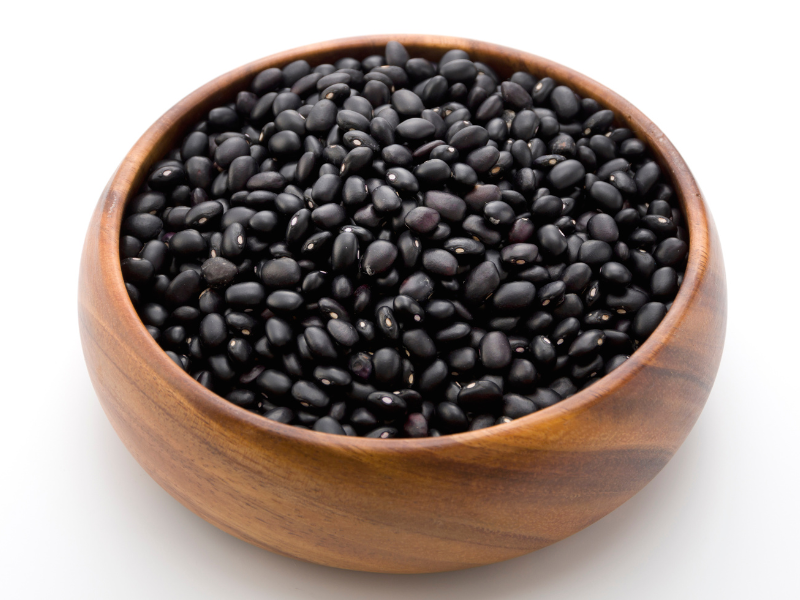
Thanks to their high fibre content — both soluble and insoluble — beans support healthy digestion. Insoluble fiber helps prevent constipation and promote regularity, while soluble fiber and resistant starch feed good bacteria in the gut microbiome, which is increasingly recognized as important for overall health.
This fiber-rich composition also helps slow digestion, resulting in steadier energy release and a longer-lasting satiety feeling of full. That makes beans a good dietary ally for managing appetite, avoiding overeating, and supporting weight control.
Cardiovascular & Metabolic Health
Regular bean consumption offers several protective effects against chronic diseases:
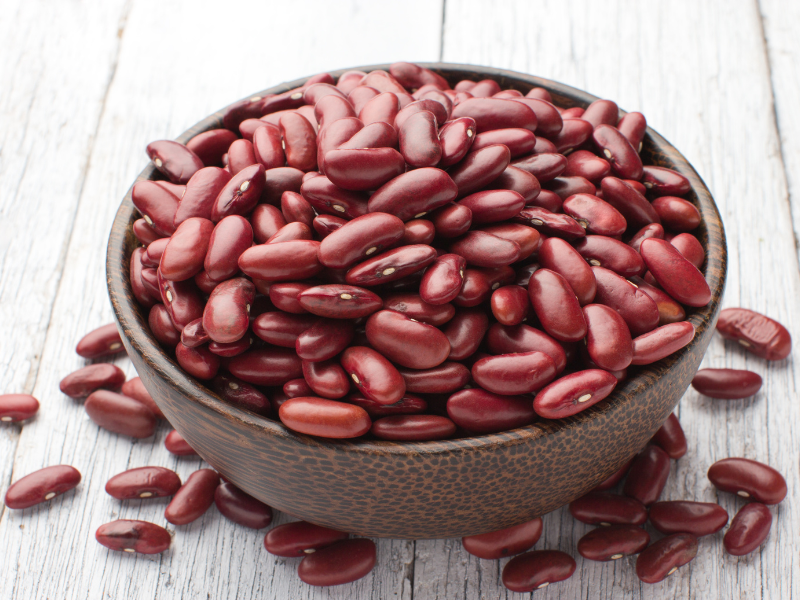
- Beans can help lower LDL (so-called “bad”) cholesterol and reduce risk of coronary heart disease.
- Their low glycemic index and high fibre content support stable blood sugar and improved insulin sensitivity, which is beneficial for preventing or managing type 2 diabetes.
- Because beans help with satiety and are relatively low-calorie compared with many processed foods or heavy meat-based meals, they can contribute to maintaining or achieving a healthy weight.
Potential Long-Term Benefits: Disease Prevention & Longevity
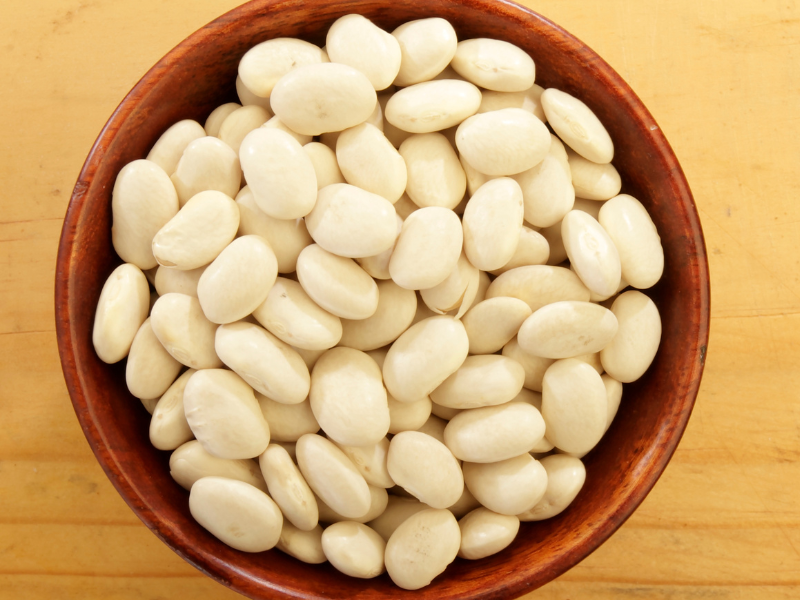
Beyond heart and metabolic health, beans may play a role in lowering risks of certain cancers (especially colon/colorectal), thanks to the fiber and various antioxidants they contain.
Additionally, their broad nutrient profile supports key physiological functions: from red blood cell formation (thanks to folate and iron) to bone, muscle and nerve health (magnesium, potassium, and other minerals).
Also Good for Your Wallet and Diet
- Affordable & accessible: Beans tend to cost less than meat or many processed protein sources, which is a useful advantage considering today’s high food prices.
- Shelf-stable and easy to store: Dried beans last long; canned beans offer convenience and quick meal prep with minimal cooking.
- Versatile in cooking: Beans can be adapted to many cuisines and recipes, making it simple to add them regularly without food fatigue.
- To support local farmers, consumers should look for the “Product of Canada” label on bean packaging.
This combination of low cost, convenience, supporting local farmers and high nutrition makes beans a particularly appealing choice — especially for budget-conscious individuals or families aiming for a healthy, balanced diet without breaking the bank.
Overcoming Common Misconceptions & Barriers
Despite their benefits, beans are sometimes underutilized due to misconceptions or practical concerns. Here are some common barriers and how to address them:
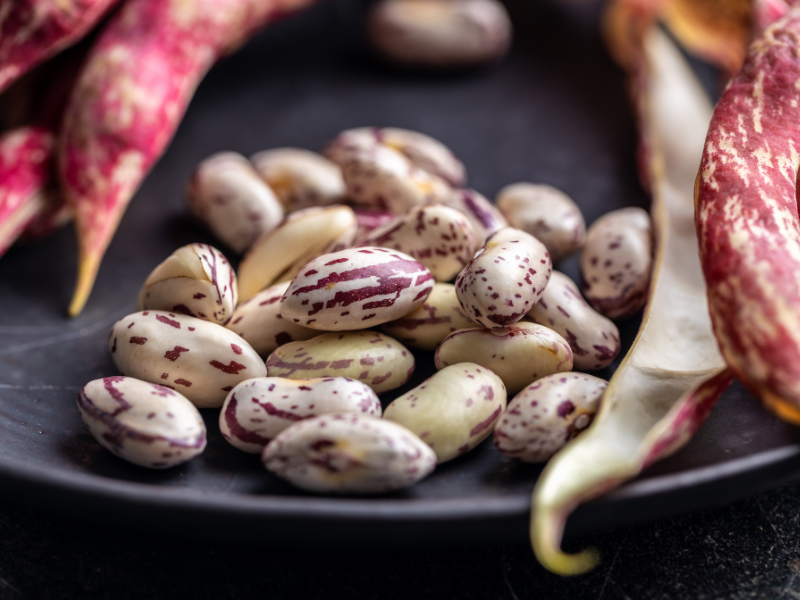
- “Beans cause gas or digestive discomfort.” It’s true that beans contain fermentable carbohydrates that can lead to bloating for some. But soaking dried beans, rinsing canned beans, cooking thoroughly, and starting with small portions can help. Over time, your digestive system often adapts.
- “Beans are boring / only good for certain dishes.” With so many varieties (black beans, kidney beans, chickpeas, navy beans, etc.) and cooking styles, you can include beans in soups, stews, salads, tacos, grain bowls, dips and more.
- “Plant proteins aren’t as good as meat.” While bean proteins differ from animal proteins in amino-acid profile, when combined with a balanced diet (whole grains, vegetables, nuts/seeds), beans contribute valuable protein, fibre, vitamins and minerals — often with fewer drawbacks (e.g. saturated fat, cholesterol).
Practical Tips: How to Eat More Beans
Try replacing one or two meat-based meals per week. The following beans are grown in Canada, so if part of your recipe, make these beans a priority to buy from local producers:
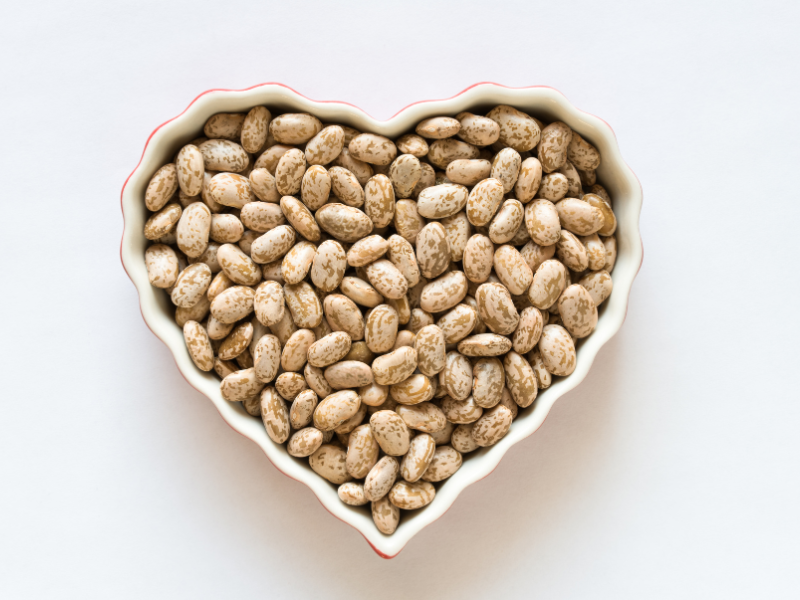
- Pinto Beans: A staple, especially in Western Canada.
- Black Beans (Black Turtle): Popular for soups, salads, and Mexican dishes.
- Navy Beans (White Pea Beans): Used for baked beans and soups.
- Kidney Beans: Both Dark Red and Light Red varieties are grown.
- Great Northern Beans: Large white beans, good for soups and stews.
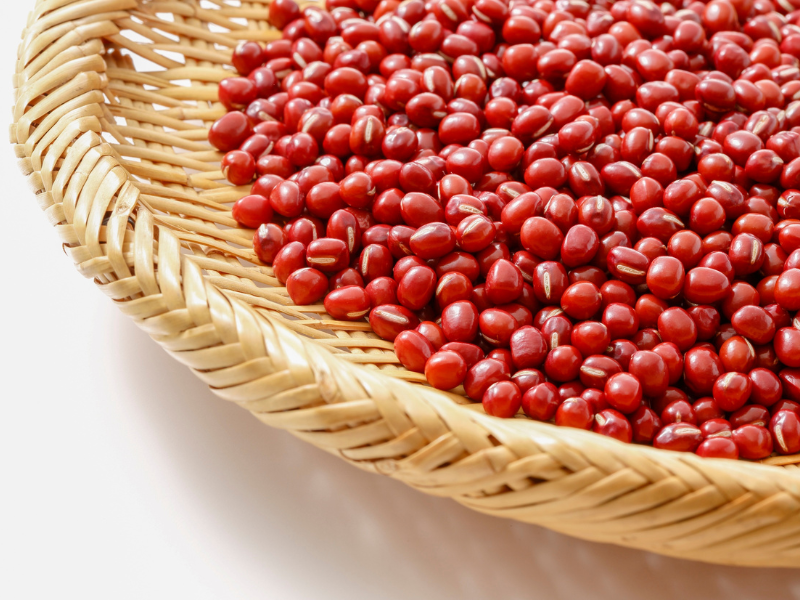
- Cranberry Beans: Also known as Romano, they have a distinct speckled appearance.
- Adzuki Beans: A smaller, reddish-brown bean often used in Asian cuisine.
- Small Red Beans & Pink Beans: Other common varieties in Western Canada.
Use dried beans if you plan ahead (cheaper, lower sodium), or canned beans when time is tight. Always rinse canned beans to reduce sodium and improve digestibility.
Mix and match bean types and recipes to keep meals interesting. Beans are present in almost every culture in the world, so why not explore bean recipes from around the globe such as Latin-American black-bean tacos, Mediterranean chickpea salads, Louisiana style beans and rice, or classic comfort food like bean stews.
Combine beans with whole grains (e.g. rice, quinoa), vegetables, and spices to create balanced, nutrient-rich family meals.
For those new to beans: start with small servings and gradually increase to ease gut discomfort.
Smart, Nutrient-Rich Choice for Canadians
Beans offer a rare “triple-win”: nutritional richness, dietary affordability, and culinary flexibility. Add to that the fact that by buying Canadian, you support local businesses and lower your carbon footprint, increasing your weekly bean intake is a no-brainer.
Even a modest increase in bean consumption can improve diet quality, support heart and metabolic health, enhance digestive wellness, and help manage food costs. Given how under-consumed beans are by Canadians, there’s plenty of room for improvement.
Subscribe to The Health Insider today to stay on top of nutritional powerhouses that put you in the drivers seat of your health.
~ Read more from The Health Insider ~
- Protecting Canada’s Kids: The Hidden Risk in Your Child’s Favourite Cartoon Snacks
 A Canadian report finds many kids’ snacks with cartoon characters are high in sugar, sodium or fat, raising concerns about food marketing to children.
 - The Mood Menu: How Your Plate Shapes Your MindDiscover how simple food choices like turkey and yogurt can boost your serotonin and stabilize your mood.
- The Affordable Superfood Canadians OverlookPacked with protein, fibre and key nutrients, beans are a budget-friendly way to boost health and support local farmers.
- Ozempic, Wegovy and Mounjaro Are Changing Our Food ChoicesAppetite-suppressing GLP-1 medications may be changing the way Canadians eat – Smaller appetites and healthier choices are impacting restaurants and the food supply sector in significant ways.
- Eat Your Way to a Healthier Heart with a Metabolic CoachFrom balancing blood sugar to reducing inflammation, Certified Metabolic Coaches help you use food as medicine for your heart and overall wellbeing.
- Fuel Your Mind: Low-Effort Healthy Eating for StudentsNo time to cook? Here’s how students can fuel focus and energy with quick, budget-friendly, no-cook meals.





The information provided on TheHealthInsider.ca is for educational purposes only and does not substitute for professional medical advice. TheHealthInsider.ca advises consulting a medical professional or healthcare provider when seeking medical advice, diagnoses, or treatment. To read about our editorial review process click here.