Summary
A balanced look at the viral "bed rotting" trend, blending student interviews with expert advice. The article distinguishes between restorative rest and digital burnout, offering a responsible rotting toolkit to help students recharge effectively without the guilt.
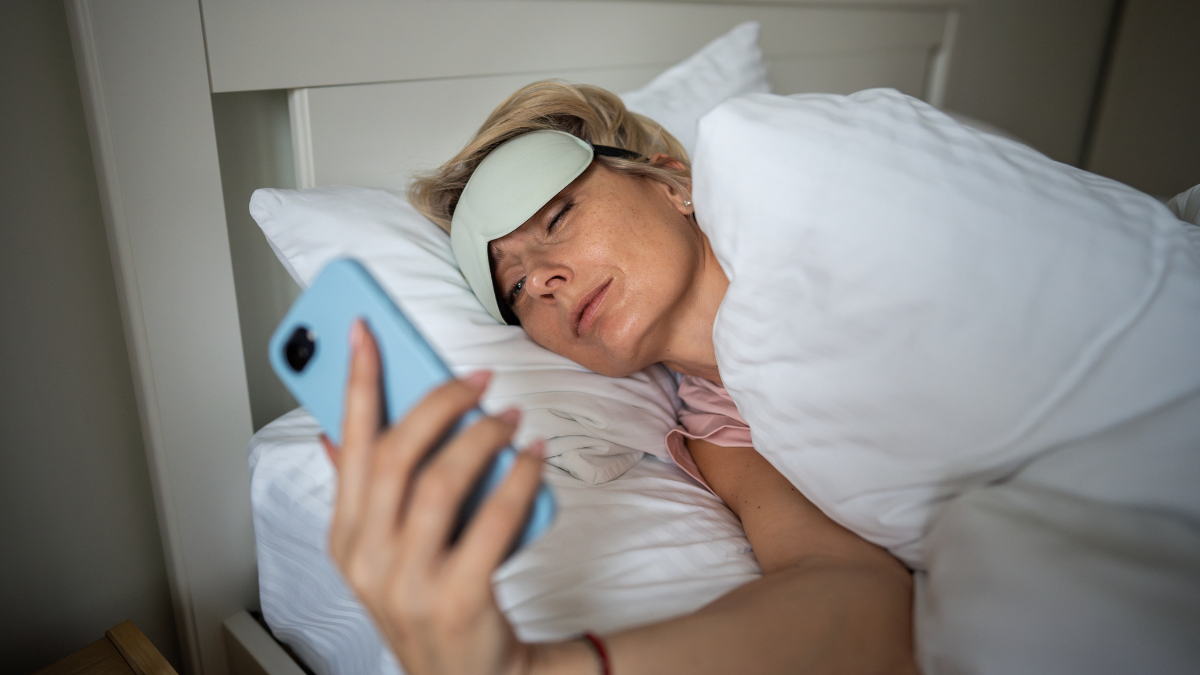
If you’ve spent the last three hours cocooned in your duvet, scrolling through a bottomless pit of 15-second clips while your laundry stares at you from the chair, you’ve participated in the viral phenomenon known as “bed rotting.”
While the name sounds gruesome, the practice is simple: staying in bed for extended periods, usually while eating snacks or staring at a screen, as a way to withdraw from the world. But is this a form of much-needed self-care, or are we just scrolling our way into a slump?
I spoke to students on campus to see where they stand on the great rot debate.
The Great Debate: Is it Good or Bad?
For some, bed rotting is a vital response to the high-pressure environment of university life. When your brain is fried from back-to-back midterms, the bed feels like the only safe harbour. As one student put it:
“Bedrotting is good. You know, you need a break. You need a little rest.”
However, not everyone is convinced that the rot is actually restorative. For many, the physical act of staying in bed is inseparable from the digital drain of social media, leading to a sense of guilt rather than peace.
“Definitely bad. I think everyone suffers from it. You know, you scroll for a while… you probably have time to go out with other people or study, do an exercise.”
Short-Term Relief vs. Long-Term Rot
The consensus among many students is that the duration of the rot determines whether it’s helpful or harmful. A quick hour to recharge can be totally cool, but when an hour turns into an entire Saturday, the vibe shifts.
“It’s good in the short term. In the long term it’s definitely not good… if you need it for a few minutes or even an hour, that’s totally cool. I’m not going to lie, I bed rot quite a lot.”
The danger lies in the “recovery hangover”, that feeling where you’ve rested for six hours but wake up feeling more sluggish and anxious than when you started. Another student noted the irony:
“You’d think that it’d make you feel better, but in the end, I don’t think it’s that helpful, but sometimes you kind of need it.”
How to Rot Responsibly: Turning the Rot into Recovery
If you feel the urge to retreat to your bed, you can do it in a way that actually refills your tank. Here is how to move from rotting to intentional rest:
- Set a “Rot Timer”: Give yourself permission to stay in bed for a set amount of time (e.g., 90 minutes). When the timer goes off, the rot is officially over.
- Ditch the Doomscroll: The rot becomes bad when it’s passive. Try rotting with a book, a podcast, or even a meditation app instead of an endless social media feed. This gives your dopamine receptors a break.
- The One-Task Rule: Before you commit to the bed, finish one small, future-you task, like putting your dishes in the sink or filling up your water bottle. It reduces the guilt of the rest.
- Hydrate While You Hibernate: Bed rotting is notoriously dehydrating. Keep a large bottle of water by the bed so you don’t emerge from your cocoon feeling like a raisin.
When to Get Out of Bed
Ultimately, your win or loss depends on how the habit is affecting your goals. As one student philosophically noted:
“So you win or you lose, that’s up to you… bed rotting could be good, could be bad, depends on who it is.”
If your favourite way to de-stress is movement, like hitting the court for a game of basketball, listen to that instinct. But if you truly need to go off-grid under your covers for an hour to survive the week, do it without shame. Just make sure you eventually come up for air.
Subscribe to The Health Insider newsletter where you’ll find many more insights – delivered straight to your inbox.
~ Read more from The Health Insider ~
- Syphilis Is Surging in Ontario and Pregnant Women Are Paying the Price
 Ontario’s syphilis surge has reached every corner of the province. Here’s what pregnant people need to know about screening and protection.
 - Red Light Therapy: Separating Science From HypeBeyond the wellness trend lies real clinical proof. Discover how red light therapy physically heals cells, targets chronic pain, and regrows hair.
- Beyond Ibuprofen: New Tech and Natural Remedies for Period PainPeriod pain isn’t just something you have to endure. Discover the natural remedies and Health Canada-approved tech that offer proven relief.
- PCOS Has a New Name and This is Why it MattersPCOS is now PMOS (Polyendocrine Metabolic Ovarian Syndrome). Discover why this landmark renaming matters for patient diagnosis and metabolic care.
- Top 4 Portable Blood Pressure Monitors for TravelFind the best blood pressure monitor travel companion to track your heart health on the go with these 4 portable, accurate, and compact devices
- Should You Take Berberine? What Health Canada and the Research SayBerberine is trending as “nature’s Ozempic”, but what does Health Canada actually approve it for, and is it safe to take with your medications?



The information provided on TheHealthInsider.ca is for educational purposes only and does not substitute for professional medical advice. TheHealthInsider.ca advises consulting a medical professional or healthcare provider when seeking medical advice, diagnoses, or treatment. To read about our editorial process, click here.