
Summary
A look at why heart failure is increasingly affecting younger Canadians, what the warning signs are, and why early detection matters.
At 23, Jenny Milne was a competitive figure skater in peak physical condition. She was also in end-stage heart failure, though nobody realized it for a dangerously long time.
When Jenny first started experiencing severe shortness of breath and a swollen abdomen, doctors suspected a non-functioning gallbladder. Then COVID. Then asthma. By the time she received the right diagnosis, she was facing one of the most serious stages of a condition most Canadians associate with old age.
“I remember reading that heart failure is for life. My world was turned upside down,” said Jenny, now 29.
Her story is striking, but it’s no longer rare.
A Condition That’s Getting Younger
Heart failure is one of the fastest-growing cardiovascular conditions in Canada. An estimated 750,000 Canadians are currently living with it, with more than 100,000 new diagnoses every year and the numbers keep climbing among people far younger than most would expect.
Hospitalizations among adults aged 20 to 39 rose by 55% in men and 25% in women between 2007 and 2016. In 2023–24 alone, more than 5,000 Canadians between the ages of 40 and 49 received a new heart failure diagnosis. Without greater awareness, many of these patients risk delayed diagnosis and missed opportunities for early treatment.
This week, the Canadian Heart Failure Society (CHFS) and the Canadian Cardiovascular Society (CCS) are drawing national attention to this trend during the eighth annual National Heart Failure Awareness Week (May 3–9). Their message is direct: heart failure is no longer just an older person’s disease.
So, What Is Heart Failure?
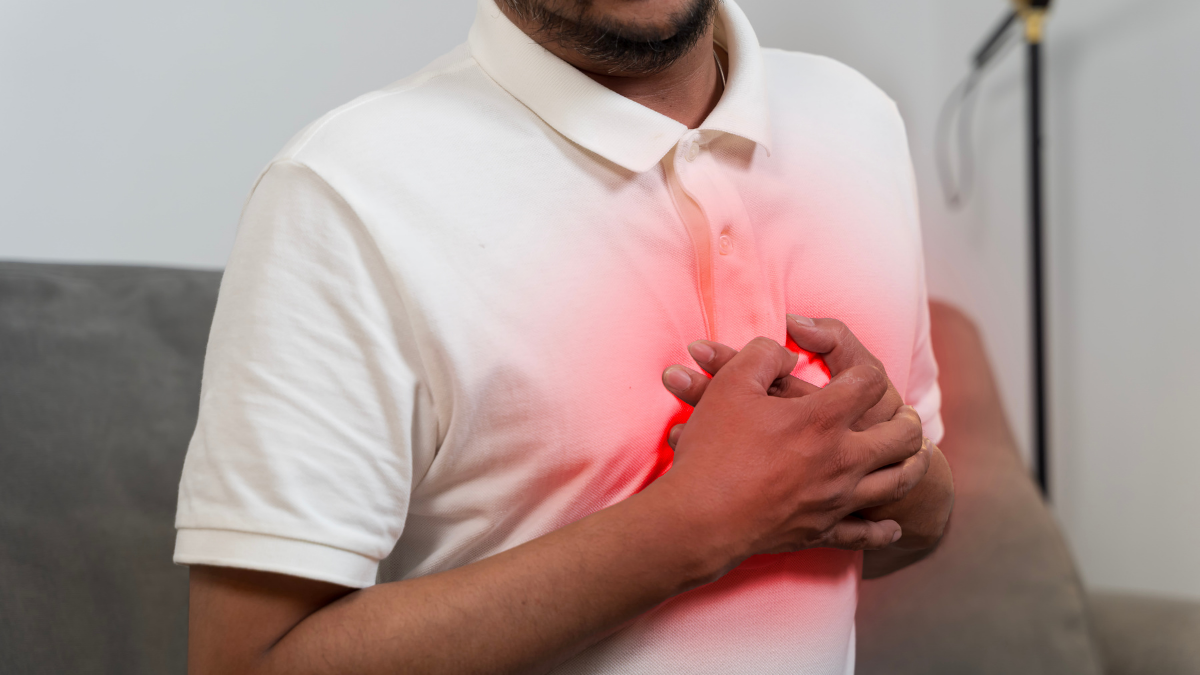
Despite the name, heart failure doesn’t mean the heart has stopped. It’s a chronic, progressive condition where the heart can no longer properly circulate blood throughout the body, leaving organs and muscles short on oxygen. Symptoms can be easy to dismiss: persistent fatigue, shortness of breath, swelling in the legs and ankles. That’s exactly what makes it so dangerous in younger patients, who are less likely to have it on their radar.
“The rise in the number of younger people being diagnosed with heart failure in Canada is deeply concerning, and reflects the need to prioritize cardiovascular health across the lifespan, starting in youth,” said Sean Virani, President of the CCS. “Addressing risk factors and enhancing the education of all Canadians and health care providers is very important.”
It’s also worth noting how little awareness exists: 4 in 10 Canadians don’t understand what heart failure is, and the condition carries serious consequences, survival rates are worse than some common cancers.
The Treatment Gap
Even for those who do get diagnosed, getting the right care isn’t guaranteed. According to the CCS, fewer than 70% of eligible Canadian patients are on recommended medical therapies, and fewer than 30% are reaching target medication doses. Meanwhile, 1 in 5 heart failure patients returns to hospital within 30 days of their last visit, a readmission rate that hasn’t meaningfully improved in a decade.
Heart failure can be managed effectively with the right treatment. But that only works when people get diagnosed in time.
Know the Signs
The warning signs include:
- Shortness of breath, especially during activity or when lying down
- Unusual fatigue or weakness
- Swelling in the legs, ankles, or feet
- Rapid or irregular heartbeat
- Persistent cough or wheezing
If you’re experiencing any of these, especially in combination, talk to a doctor, no matter your age. For more information and resources, visit heartfailure.ca/heart-failure-awareness-week.
Subscribe to The Health Insider newsletter where you’ll find many more insights – delivered straight to your inbox.
~ Read more from The Health Insider ~
- Top 5 Shock-Absorbing Running Shoes to Protect Your Joints
 SummaryDiscover the best shock-absorbing running shoes to protect your joints and improve recovery. Learn how proper midsole cushioning reduces impact forces on your feet, ankles, and hips during long road runs. Explore top-rated, comfortable footwear options from HOKA, Brooks, ASICS, New Balance, and Saucony for every stride. Running is one of the simplest ways to…
 - Living Near a Golf Course May Raise Your Parkinson’s Risk, Study FindsA new study found people living within a mile of a golf course had significantly higher odds of developing Parkinson’s disease. Here’s what it means.
- IBD Is a Gut Disease. So Why Does It Start Affecting Mental Health Years Before Diagnosis?New research shows anxiety and depression often start years before an IBD diagnosis. Learn how chronic gut inflammation affects mental health.
- Fibroid Relief: New Treatments On The HorizonDiscover how groundbreaking, non-invasive treatments are restoring hope, preserving organs, and freeing women from life-altering fibroid pain.
- Canada’s Cigarette Packages Just Got a Lot Harder to IgnoreCanada has launched new graphic warnings on cigarette packs and individual sticks. Learn how these updated labels aim to reduce smoking rates.
- Leafy Greens Ranked For Top Health BenefitsExplore our definitive ranking of Canadian summer greens. Learn the health benefits of local arugula, spinach, chicories & more.






The information provided on TheHealthInsider.ca is for educational purposes only and does not substitute for professional medical advice. TheHealthInsider.ca advises consulting a medical professional or healthcare provider when seeking medical advice, diagnoses, or treatment. To read about our editorial review process click here.


