Summary
In 2026, Canadian fitness trends have pivoted toward longevity and "Healthspan." This shift is defined by AI-steered personalization, specialized muscle preservation for GLP-1 users, and the rise of gyms as social "third spaces" for community-based recovery.
As we enter 2026, the Canadian fitness industry is moving past the “no pain, no gain” era. The focus has shifted toward a data-driven, sustainable approach to health that treats the gym as a critical “third space” and an extension of the medical clinic.
Here are the five trends defining fitness in Canada this year.
1. AI-Steered Personalization: The “Digital Twin”
Generic workout plans have officially become obsolete. In 2026, AI-steered training has moved from a novelty to the “backbone of programming“. Major players like Peloton are now utilizing AI to analyze real-time video feedback and biometric data to adjust workouts on the fly.
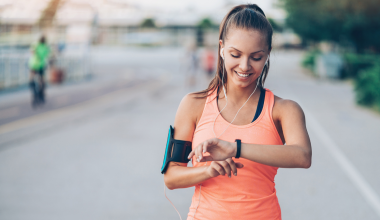
Instead of following a fixed schedule, Canadians are increasingly using advanced wearable tech to create a “Digital Twin.” This AI model uses heart rate variability (HRV), sleep quality, and even blood glucose levels to tell you exactly how much intensity your body can handle on any given Tuesday morning.
2. The GLP-1 Companion Movement
With the massive rise in obesity-management medications like Ozempic and Wegovy, exercise for Weight Management has climbed to its highest-ever ranking of #3 in the ACSM 2026 Worldwide Fitness Trends.
In Canada, the conversation has shifted toward muscle preservation. Because these medications can lead to muscle loss, 2026 is the year of the Medical-Fitness Hybrid. Canadian trainers are now specializing in GLP-1 companion protocols, focusing heavily on resistance training to ensure weight loss comes from fat, not vital lean mass, effectively positioning the trainer as an “allied health professional”.
3. Longevity & “Active Aging” for All
Canada’s aging population has pushed Fitness Programs for Older Adults. However, the “Longevity” trend has trickled down to Millennials and Gen Z, who are now training for their “80-year-old selves.”
The focus this year is on functional durability:
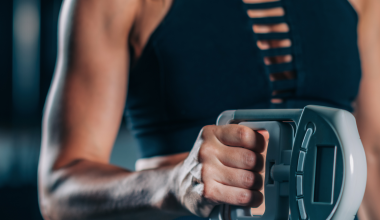
- Grip Strength & Stability: Prioritized to prevent future falls.
- Zone 2 Cardio: Low-intensity, steady-state movement designed for mitochondrial health rather than calorie burning.
- Japanese Walking: An interval-based walking method gaining massive traction in urban centers like Toronto for its high ROI and low impact.
4. Social Wellness: The “Third Space” Revival
As technological advancements “socially engineer” movement out of our daily lives, Canadians are pushing back. The 2025 ParticipACTION Adult Report Card highlighted that only 32% of Canadian adults meet the recommended daily steps (7,500), largely because “movement is no longer the easy choice”.
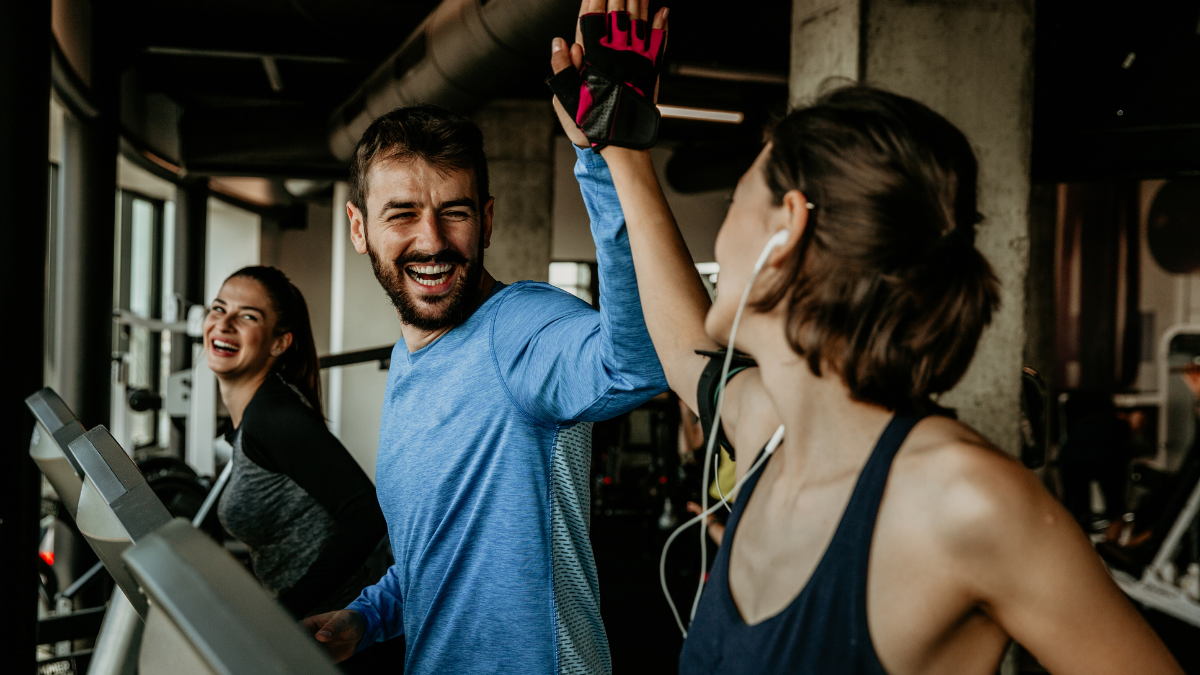
To combat this, gyms are transforming into social hubs. In 2026, the rise of Adult Recreation and Sport Clubs reflects a craving for in-person connection. Whether it’s the continued dominance of Pickleball or the explosion of city-wide Run Clubs, Canadians are choosing fitness environments that double as a “third space” for community and friendship.
5. Somatic Recovery and “JOMO”
Recovery is no longer a five-minute stretch; it is now a “scheduled activity.” In 2026, the industry is embracing JOMO (The Joy of Missing Out), a shift toward “gentle strength” and mindful movement.
What’s trending in Canadian recovery:
- Somatic Movement: Practices like Pilates and “Slow Yoga” that focus on nervous system regulation.
- Cold Recovery: Cryotherapy and cold plunges have moved into mainstream Canadian gyms to reduce systemic inflammation and boost mental resilience.
For 2026:
| OUT | IN |
|---|---|
| BMI & Scale Weight | VO2 Max & Muscle Mass |
| Manual Calorie Counting | AI-Steered Recovery |
| “No Pain, No Gain” | Somatic & Functional |
| Isolated Solo Workouts | Social Sport Clubs |
The “New Year, New You” mantra has been replaced by something far more powerful: “New Year, Better Longevity.” Subscribe to The Health Insider newsletter where you’ll find many other ways we’re changing our health for 2026 – delivered straight to your inbox.
~ Read more from The Health Insider ~
- No More Fees for Medically Necessary Nurse Practitioner, Pharmacist and Midwife Care
 Starting April 1, 2026, Canada is expanding insured care across the country. Discover how new rules for nurse practitioners, pharmacists and midwives mean fewer out-of-pocket costs for your family.
 - The Rot or the Rest? Navigating the “Bed Rotting” TrendIs bed rotting self-care or a slump? Discover student perspectives and tips on how to turn this viral rest trend into actual recovery.
- Your Phone Is a Health Tool. Here’s How to Use ItYour phone might be hurting your health, or helping it. Discover the built-in tools that support better sleep, movement, and focus.
- 6 Foods That Help You Poop and Why They Actually WorkCan’t go? These 6 simple foods may help ease constipation and support more regular digestion, no harsh fixes needed.
- Why Top Surgeons Are Trading Caffeine for CreatineIt’s not just for the gym. See why your brain is a “metabolic furnace” that uses creatine to prevent fog and fatigue.
- Could ADHD Awareness Lead to False Self-Diagnosis? Researchers Explore the Nocebo EffectA study finds ADHD awareness may increase false self-diagnosis in young adults, with researchers pointing to the nocebo effect.


The information provided on TheHealthInsider.ca is for educational purposes only and does not substitute for professional medical advice. TheHealthInsider.ca advises consulting a medical professional or healthcare provider when seeking medical advice, diagnoses, or treatment. To read about our editorial review process click here.