
Summary
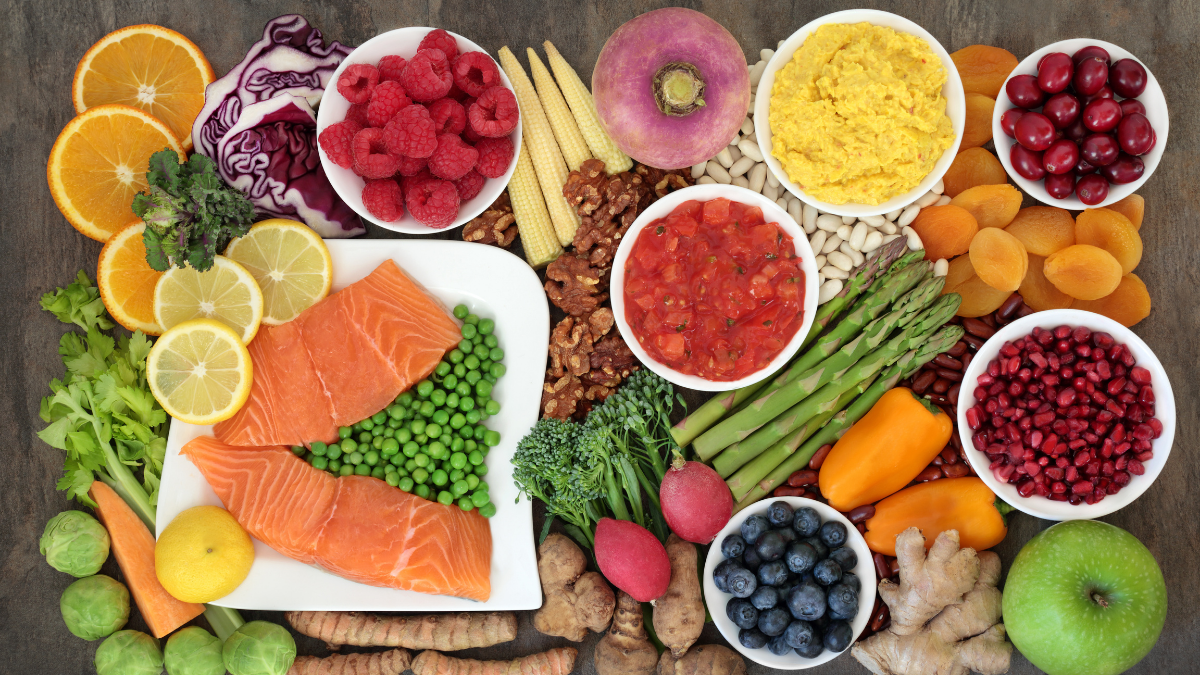
This comprehensive guide expands on our viral Top 5 healthiest foods list, exploring the science behind leafy greens, salmon, blueberries, legumes, and walnuts. It moves beyond basic benefits to address critical details like pesticide risks (2026 Dirty Dozen), the "wild vs. farmed" salmon debate, and preparation techniques to neutralize antinutrients, providing a balanced blueprint for longevity and vitality.
If you saw our recent video on Instagram, you know we’ve been counting down the heavy hitters of the nutrition world. With over 200,000 views and hundreds of comments from Health Insiders, it’s clear that you’re hungry for more than just a list, you want to know why these foods earned their spot and how to eat them safely for maximum benefit.
While these five foods are nutritional powerhouses, “healthy” isn’t always one-size-fits-all. Here is the deep dive into the top 5 healthiest foods on the planet, including the essential cautions you won’t find in a 60-second clip.
#1. Leafy Greens (Spinach & Kale)
Leafy greens are the undisputed champions of nutrient density per calorie. Research consistently links high intake of greens to better heart health, bone density and may lower cancer risk and cognitive decline. Watercress, spinach, kale, Swiss chard, collard greens, beet greens and arugula are all packed with Vitamin K (essential for bone health and blood clotting), vitamin A, vitamin C and vitamin E.
- Watercress has been deemed the healthiest vegetable on Earth. It contains high levels of iron, calcium, vitamin K for bone health and antioxidants (vitamin C, beta-carotene) that boost the immune system.
- Versatile spinach is packed with high amounts of Vitamins K1, A, C, and B9 (folate), along with iron, calcium, and potassium. However, it has more pesticide residues by weight than any other type of produce, and leads the 2026 Dirty Dozen list.
- Kale offers a massive dose of antioxidants like quercetin and kaempferol, which help combat oxidative stress. It also contains significant amounts of vitamins K, C, A, and folate, plus minerals like magnesium and calcium. It is however #2 on the dirty dozen list along with collards and mustard greens.
- Swiss chard packed with vitamins K, A, and C, along with fiber and antioxidants. It is exceptionally rich in vitamin K, providing over 300% of the daily value in one cup.
- Peppery arugula is rich with nitrates, packed with vitamins A, C, and K, along with potent antioxidants.
- Delicious collard greens offer significant health benefits, including high levels of vitamin K for bone health, vitamin A for immune support, and vitamin C for collagen production. They are also rich in antioxidants like lutein and fiber.
- Don’t throw those beet greens out! They’re edible, and highly nutritious, containing vitamins A, C, and K, along with calcium, iron, and potassium. They’re rich in antioxidants and can be eaten raw, cooked, or blended
The Caution: Oxalates. Spinach, Swiss chard and beet greens are high in oxalates, which can bind to calcium and contribute to kidney stones in susceptible individuals. Consume high-oxalate foods at the same time as calcium-rich foods. The calcium will bind to the oxalate in the stomach, minimizing the amount of oxalates absorbed into the bloodstream.
Oxalates can negatively impact bone health by reducing the amount of calcium available for absorption, which is critical for bone density. Moderation is important if you suffer from osteoporosis.
Insider tip: Cooking, boiling, or steaming oxalate-rich foods can significantly reduce their oxalate content.
#2. Salmon
For Health Insiders looking to optimize their nutrition while managing risk, the salmon debate has shifted significantly in recent years. As of 2026, the consensus among Canadian health authorities and independent researchers is that eating salmon twice a week is a net positive for most adults, though the type of salmon you choose matters depending on your specific health priorities.
Historically, the primary concern with salmon (especially farmed Atlantic salmon) has been the accumulation of Polychlorinated Biphenyls (PCBs) and other persistent organic pollutants (POPs). Recently, microplastics have been found to be extremely prevalent in salmon however they are also now ubiquitous in much of our food, water, and air. Salmon does not contain particularly high concentrations compared to other sources and experts say that the benefits of eating seafood far outweigh the risks from microplastics.
Here is the breakdown of the most credible, current Canadian research regarding the risks and benefits of farmed vs. wild/organic salmon.
- Farmed Salmon: Recent data (2024–2026) suggests that PCB levels in farmed salmon have decreased over the last two decades as the industry has shifted from fish-meal-heavy diets to plant-based feeds. However, because farmed salmon has a higher fat content (often 2–3x that of wild salmon), it can still contain more fat-soluble toxins.
- Wild Salmon: Wild Pacific salmon (Sockeye, Chinook, Coho) typically tests lower for PCBs because they range in the open ocean and have a lower total fat percentage.
- Organic Salmon: It is a common misconception that organic farmed salmon in Canada is raised in closed tanks however, the Canadian Organic Aquaculture Standard still allows for open-net pens in the ocean. This means that while organic standards prohibit certain antibiotics and synthetic colorants, they still face the same environmental risks as conventional farms, such as sea lice and potential impact on wild populations.
- Mercury: Canadian research consistently shows that salmon (both farmed and wild) is among the lowest-mercury fish available, well below Health Canada’s safety thresholds.
If your primary concern is minimizing synthetic chemical exposure, Wild Pacific Salmon remains the “gold standard.” However, current farmed levels are generally considered safe by Health Canada for twice-weekly consumption.
Insider Tip: Organic salmon refers more to the sustainability of the feed and the density of the fish than a guarantee of zero contaminants.
Nutritional Value: Atlantic vs. Pacific
While both are excellent sources of protein, their micronutrient profiles differ significantly based on their lifecycle.
| Feature | Farmed Atlantic Salmon | Wild Pacific Salmon |
|---|---|---|
| Omega-3s | Higher total amount (due to higher fat content). | Higher quality-to-fat ratio; very potent. |
| Vitamin D | Significantly lower (approx. 60–100 IU). | Much higher (approx. 500–700 IU). |
| Vitamin A | Trace amounts. | Roughly 3x higher than farmed. |
| Astaxanthin | Added to feed (synthetic or yeast-based). | Natural (sourced from diet of krill/shrimp). |
#3. Blueberries
These “tiny but powerful” berries are among the highest antioxidant-containing fruits. Their signature blue color comes from anthocyanins, which are potent plant compounds that protect the body from free radicals. Consider buying frozen blueberries as they are just as healthy as, and are sometimes healthier than fresh, largely because they are flash-frozen at peak ripeness, locking in nutrients. The freezing process can make antioxidants more accessible to the body by breaking down cell walls, according to studies.
Studies suggest that daily consumption is linked to improved heart health, lower blood pressure, better blood sugar management, enhanced brain function (including memory), and reduced inflammation. They are also high in fiber and low in calories.
The Caution: Pesticides. Blueberries are on the 2026 Dirty Dozen list. To avoid pesticide residue, opt for organic blueberries whenever possible. While they have a lower glycemic index than many fruits, those managing strict blood sugar levels should still monitor portion sizes.
#4. Legumes (Beans, Lentils, & Chickpeas)
Common among the world’s longest-living populations (the “Blue Zones”), legumes are a “quiet” superfood. They provide a rare combination of high plant-based protein and massive amounts of fibre.
The soluble fibre in beans helps lower LDL (“bad”) cholesterol and stabilizes blood sugar by slowing down digestion. They are also a primary fuel source for your beneficial gut bacteria.
The Caution: Antinutrients. Raw or undercooked legumes contain lectins and phytates, which can interfere with nutrient absorption and cause digestive distress. Preparation is Key. Always soak dried beans overnight and rinse them thoroughly before cooking to neutralize these compounds and reduce “gas” and bloating.
#5. Walnuts
Walnuts are unique because they contain the highest amount of alpha-linolenic acid (ALA), the plant-based version of Omega-3s, of any nut.
Regular walnut intake is linked to better cardiovascular outcomes and a reduced risk of overall mortality. They also contain polyphenols that may help reduce inflammation in the brain.
The Caution:
- Calorie Density: Because they are about 65% fat, they are very calorie dense. A serving is about 7 whole walnuts (approx. 185 calories). Stick to a handful to avoid unintended weight gain.
- Thyroid Interaction: Walnuts are high in fibre and certain minerals that can potentially interfere with the absorption of thyroid medications. If you have a thyroid condition, talk to your doctor about the best timing for your “walnut fix.”
You don’t need exotic “superfoods” to transform your health. By focusing on these five accessible, evidence-based staples and keeping the preparation cautions in mind, you can build a foundation for longevity and vitality.
Watch the video here:
Subscribe to the Health Insider for health and wellness tips delivered directly to your inbox.
~ Read more from The Health Insider ~
- Ditching your Sunscreen? Separate Fact From Fiction
 Trading sunscreen for internet rumours exposes your skin to a proven Class 1 carcinogen — the sun. Read the risk analysis and learn about new options before heading outside.
 - Would You Trust AI Over Your Doctor?Nearly half of Canadians use AI for medical advice, but 68% would still wait two weeks for a human doctor over an immediate AI diagnosis.
- Syphilis Is Surging in Ontario and Pregnant Women Are Paying the PriceOntario’s syphilis surge has reached every corner of the province. Here’s what pregnant people need to know about screening and protection.
- Red Light Therapy: Separating Science From HypeBeyond the wellness trend lies real clinical proof. Discover how red light therapy physically heals cells, targets chronic pain, and regrows hair.
- Beyond Ibuprofen: New Tech and Natural Remedies for Period PainPeriod pain isn’t just something you have to endure. Discover the natural remedies and Health Canada-approved tech that offer proven relief.
- PCOS Has a New Name and This is Why it MattersPCOS is now PMOS (Polyendocrine Metabolic Ovarian Syndrome). Discover why this landmark renaming matters for patient diagnosis and metabolic care.





The information provided on TheHealthInsider.ca is for educational purposes only and does not substitute for professional medical advice. TheHealthInsider.ca advises consulting a medical professional or healthcare provider when seeking medical advice, diagnoses, or treatment. To read about our editorial review process click here.


