
Summary
This guide for The Health Insider ranks Canadian summer greens, from watercress to iceberg lettuce, by nutrient density, key vitamins, and bioactive compounds. It highlights the local freshness advantage for preserving nutrients and offers practical advice on garden succession sowing and maximizing fat-soluble vitamin absorption with healthy fats.
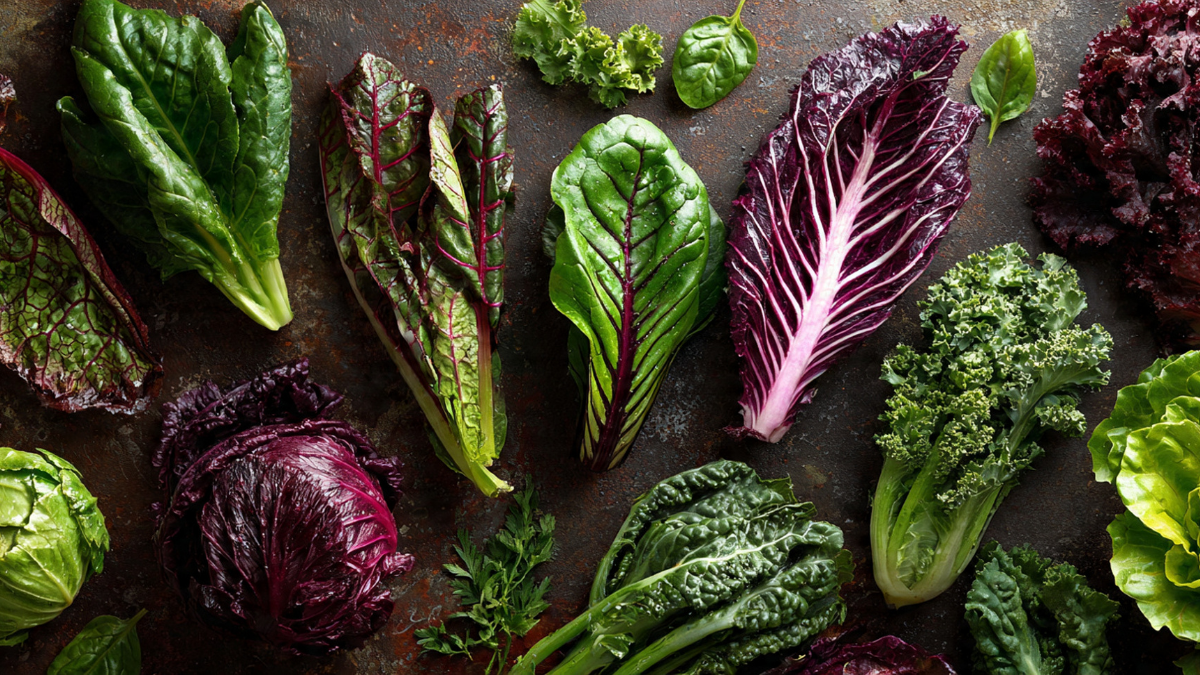
Midsummer across Canada is a season filled with, among other things, the beautiful abundance of leafy greens grown by our local farmers. From the roadside farm stands of the Annapolis Valley and southern Ontario to community gardens across the Prairies and farmers’ markets in British Columbia, tables are overflowing with vibrant, freshly harvested greens.
Beyond their crisp textures and peppery kick, how do these leafy powerhouses stack up nutritionally? Can we truly rank them, and what makes local, seasonal greens so exceptional?
Is It Possible to Rank the Nutritional Value of Leafy Greens?
Nutritional scientists have long sought standard metrics to evaluate vegetable quality. A landmark study led by Dr. Jennifer Di Noia at William Paterson University categorized “Powerhouse Fruits and Vegetables” (PFV) based on nutrient density, specifically evaluating 17 critical nutrients (including vitamins A, C, K, folate, iron, calcium, and potassium) per 100 calories.
While ranking greens provides a helpful roadmap for maximizing dietary efficiency, experts emphasize that consuming a diversity of leafy greens is the key. Different greens offer distinct phytochemical profiles:
- Cruciferous greens excel in cancer-protective glucosinolates.
- Dark green leaves supply lutein and zeaxanthin for eye health.
- Bitter chicories deliver unique polyphenols that stimulate liver and digestive health.
The Canadian Freshness Advantage
Leafy greens begin losing water-soluble vitamins (such as Vitamin C and Folate) within hours of harvest. Produce shipped thousands of kilometers from standard California or Arizona farms can lose up to 50% of its nutrient vitality in transit.
Sourcing from local Canadian farm stands or choosing locally grown greens in the winter ensures peak nutritional density and superior bioactive compound preservation.
Master Ranking & Nutritional Comparison Table
The table below ranks popular Canadian summer greens per 100g raw serving based on overall nutrient density, micronutrient concentration, and bioactive compounds.
Canadian Summer Leafy Greens Ranking
A scientific breakdown of nutrient density, bioactives, and flavor profiles of market-fresh greens.
| Rank | Green | Primary Nutrients (% Daily Value) | Key Bioactive / Phytochemical | Flavor & Culinary Profile |
|---|---|---|---|---|
| 1 | Watercress | Vit K (250%), Vit C (72%), Vit A (64%), Calcium | PEITC (Isothiocyanate) | Pungent, sharp, peppery |
| 2 | Spinach | Vit K (480%), Vit A (56%), Folate (49%), Iron | Lutein, Zeaxanthin, Oxalates | Mild, earth-sweet, tender |
| 3 | Kale Curly / Lacinato | Vit K (680%), Vit C (120%), Vit A, Fiber | Sulforaphane, Quercetin | Robust, earthy, hearty |
| 4 | Swiss Chard | Vit K (300%), Vit A, Magnesium, Potassium | Betalains, Syringic Acid | Slightly salty, mineral-rich |
| 5 | Arugula Wild Rocket | Vit K, Folate, Calcium, Dietary Nitrates | Erucin, Glucosinolates | Peppery, nutty, zesty |
| 6 | Radicchio & Chicories | Vit K, Vit E, Folate, Potassium | Intybin, Anthocyanins, Inulin | Bold, pleasantly bitter, crisp |
| 7 | Leaf Lettuce Red / Green | Vit A, Vit K, Folate | Quercetin, Anthocyanins | Mild, crisp, refreshing |
| 8 | Romaine Lettuce | Vit A, Vit C, Folate, Potassium | Lutein, Beta-carotene | Crunch, clean, sturdy |
| 9 | Iceberg Lettuce | Vit K, Moderate Folate, 96% Water | Low Antioxidant Conc. | Ultra-crisp, neutral |
Deep-Dive: Profiles of Canada’s Summer Greens
Watercress — The Undisputed Micronutrient Heavyweight
- Rank: #1
- Nutrient Highlights: 11 kcal | 250% DV Vitamin K | 72% DV Vitamin C | 64% DV Vitamin A
- Health Benefits: Often overlooked in commercial grocery stores, watercress thrives near cold Canadian streams and spring-fed gardens. It consistently claims the #1 spot on CDC nutrient-density rankings. Rich in phenethyl isothiocyanate (PEITC), watercress offers potent compounds that help inhibit DNA damage and support vascular health.
Spinach — The Eye & Blood Health Dynamo
- Rank: #2
- Nutrient Highlights: 23 kcal | 483% DV Vitamin K | 56% DV Vitamin A | 49% DV Folate | High Iron
- Health Benefits: Spinach is packed with lutein and zeaxanthin—carotenoids essential for protecting eyes against age-related macular degeneration and blue light damage.
- Pro Tip: Spinach contains oxalates which bind to calcium and iron. Lightly cooking or steaming spinach reduces oxalates and dramatically boosts mineral absorption.
Kale (Curly & Lacinato/Dino) — The Fiber & Detoxification Leader
- Rank: #3
- Nutrient Highlights: 35 kcal | 681% DV Vitamin K | 120% DV Vitamin C | High Fiber & Calcium
- Health Benefits: A staple in Canadian home gardens, kale belongs to the Brassica family. It provides sulforaphane and glucosinolates, which support liver detoxification pathways. Massaging raw kale leaves with extra virgin olive oil breaks down tough cellulose fibers for maximum digestibility.
Swiss Chard — The Rainbow Mineral Reservoir
- Rank: #4
- Nutrient Highlights: 19 kcal | 300% DV Vitamin K | 30% DV Vitamin C | High Magnesium & Potassium
- Health Benefits: With vibrant red, yellow, and magenta stems, Swiss chard is a visual highlight of midsummer markets. Its unique betalain pigments provide anti-inflammatory action, while syringic acid helps stabilize blood sugar by inhibiting specific digestive enzymes.
Arugula (Rocket) — The Nitrates & Digestion Enhancer
- Rank: #5
- Nutrient Highlights: 25 kcal | 136% DV Vitamin K | 18% DV Folate | High Dietary Nitrates
- Health Benefits: This fast-growing summer favorite boasts a distinct peppery punch caused by glucosinolates. Arugula is loaded with inorganic nitrates, which convert to nitric oxide in the body—dilating blood vessels, improving cardiovascular efficiency, and aiding athletic performance.
Radicchio & Chicories — The Gut Health & Liver Allies
- Rank: #6
- Nutrient Highlights: 23 kcal | 212% DV Vitamin K | Rich in Anthocyanins & Prebiotic Fiber
- Health Benefits: Featuring striking wine-red leaves with white veins, radicchio belongs to the chicory family. Its signature bitterness stems from intybin, a compound that stimulates bile production and aids digestion. It also supplies inulin, a prebiotic fiber that nourishes beneficial gut microbes.
The Great Lettuce Battle: Red/Green Leaf vs. Romaine vs. Iceberg
- Ranks: #7 (Leaf Lettuce), #8 (Romaine), #9 (Iceberg)
- Nutrient Highlights: Pigment reflects nutrient density.
- Leaf Lettuce (#7): Soft, open heads rich in Vitamin A and cell-protecting anthocyanins (especially in red leaf varieties).
- Romaine (#8): Sturdy, crisp upright heads providing double the folate and ten times the Vitamin A of iceberg lettuce, plus heart-healthy potassium.
- Iceberg (#9): Loved for its satisfying crunch and high water content (96%), but nutritionally dilute compared to darker greens. While hydrating on a hot summer afternoon, it offers minimal vitamins per serving.
Gardening & Culinary Tips for Canadians
- Midsummer Sowing for Fall Harvests: Greens love cool weather. Midsummer is the ideal time for Canadian gardeners to plant a second crop of spinach, arugula, and radicchios to enjoy fresh harvests well into autumn.
- Selecting at Farm Stands: Choose crisp, dark, firm leaves with vivid coloration. Avoid wilted greens or bagged produce with excess condensation, which speeds up nutrient loss.
- Unlock Fat-Soluble Vitamins: Vitamins A and K, as well as carotenoids (lutein, beta-carotene), require dietary fat for absorption. Always toss your greens with healthy fats like extra virgin olive oil, cold-pressed Canadian canola oil, toasted seeds, or nuts!
As midsummer reaches its peak across Canada, there has never been a better time to fill your plate with the vibrant, nutrient-dense harvest available right in our own backyards. Choosing locally grown greens from nearby farm stands and farmers’ markets isn’t just a celebration of Canada’s rich agricultural bounty, it is an investment in your health. And we’re fortunate that even in winter, we have a healthy choice of leafy greens due to new farming practices such as hydroponics and greenhouse grown produce. When possible, choose local!
Subscribe to the health Insider for more evidence-based health tips.
~ Read more from The Health Insider ~
- Leafy Greens Ranked For Top Health Benefits
 Explore our definitive ranking of Canadian summer greens. Learn the health benefits of local arugula, spinach, chicories & more.
 - Healing Honey: The Health Benefits Are SweetLearn about the health benefits of honey and how it boosts wellness, calms coughs, and why hospitals use medical-grade honey for healing.
- What’s Actually in Your Groceries? A Canadian Guide to Reading Food LabelsDecode Canadian food labels with ease. Learn how to spot hidden ingredients and understand Health Canada’s new front-of-package warning symbols.
- Which Cooking Oil Should You Actually Be Using? A No-Nonsense GuideNot sure which cooking oil to use? Learn the truth about smoke points, health benefits, and the three essential bottles to keep in your kitchen.
- The Green Mediterranean Diet: Boost Your Metabolic HealthSwap red meat for green polyphenols to reshape your gut bacteria, drop liver fat, and supercharge your metabolic wellness.
- The 5 Nutrients Canadians Are Most Likely Missing and How to Get Them Through FoodUp to 40% of Canadian adults may be nutrient deficient without knowing it. Here’s what’s missing and how to fix it through food and supplements.




The information provided on TheHealthInsider.ca is for educational purposes only and does not substitute for professional medical advice. TheHealthInsider.ca advises consulting a medical professional or healthcare provider when seeking medical advice, diagnoses, or treatment. To read about our editorial review process click here.


