
Summary
Chronic back pain affects roughly 1 in 5 Canadians. Top medical guidelines recommend non-drug treatments first. Effective evidence-backed options include physical therapy, manual therapy, mind-body techniques, acupuncture, heat therapy, targeted medical procedures, and red light therapy. Combining active movement with pain-relief strategies offers the best path to recovery.
Your back is the ultimate structural centerpiece of your body. Day in and day out, your spine and supporting musculature work tirelessly to hold up your entire frame, maintain your posture, and facilitate almost every move you make, from lifting and twisting to simply standing upright. Because it absorbs immense daily physical pressure and bears the weight of your upper body, the back is particularly vulnerable to wear, tear, and strain.
When that complex network of bones, discs, muscles, and nerves experiences friction or overload, the results can be debilitating. If you live with persistent back pain, you are far from alone. Chronic back pain is one of the leading causes of physical limitation, missed work, and healthcare visits across North America.
According to data from the Canadian Community Health Survey,roughly 1 in 5 Canadians report suffering from chronic back problems. Furthermore, lower back pain accounts for over 35% of all chronic pain cases reported nationwide. Lower back pain is usually due to muscle strain or ligament sprain from improper lifting, poor posture, or sudden movement. Other common culprits include age-related wear and tear, spinal arthritis (osteoarthritis), bulging or herniated discs, and weak core muscles.
Sometimes the cause is more serious, so before exploring the options below, make sure you speak with your doctor to confirm underlying causes and the way forward that’s best for you.
In recent years, medical guidelines have shifted significantly. Most doctors now advise that non-pharmacological therapies are the first line of treatment for chronic low back pain before considering medications.
Here is an evidence-backed, drug-free guide to help you understand and navigate your options for lasting relief.
1. Physical Therapy & Active Exercise
When living with chronic pain, the instinct is often to rest. However, prolonged inactivity weakens supporting muscles and causes stiff joints, worsening pain over time. The key to self-directed recovery is gradual, progressive movement:
- Phase 1: Low-Impact Aerobic (Walking): Start with daily 10- to 15-minute walks on flat surfaces. Walking increases spinal circulation, hydrates intervertebral discs, and promotes soft-tissue flexibility without overloading the lower back.
- Phase 2: Core & Motor Control: Once walking is comfortable, integrate gentle floor exercises focused on core stabilization such as bird-dogs, pelvic tilts, and glute bridges. These build the deep abdominal and back muscles that act as a natural structural corset.
- Phase 3: Restorative & Resistance Exercises: Expand into low-impact disciplines like Yoga, Tai Chi, or structured resistance training using light bands or bodyweight exercises. These retrain posture, body awareness, and spinal flexibility.
Safe Pain vs. Harmful Pain: Knowing the Difference
A common barrier to exercising with chronic pain is fear of re-injury. To safely exercise, listen to how your body responds during and after movement using the “Traffic Light” Pain Scale:
| Pain Signal | Description | Action Required |
| Green Light (Safe) | Mild ache or muscle tightness during or right after exercise; pain returns to baseline within 24 hours. | Keep going. This is normal tissue adaptation. |
| Yellow Light (Proceed with Caution) | Moderate pain flare-up that lingers up to 24–48 hours before settling back to baseline. | Modify. Reduce workout duration, intensity, or range of motion next time. |
| Red Light (Causes Harm) | Sharp, shooting pain during exercise, a major spike in baseline pain, or pain lasting past 48 hours. | Stop. Discontinue that specific exercise and consult a health professional. |
Red Flag Warning: Seek immediate medical evaluation rather than self-guided exercise if back pain is accompanied by numbness or tingling down the legs, sudden weakness in the feet, loss of bowel or bladder control, or unexplained weight loss.
When to See a Physical Therapist
You should consult a licensed physical therapist (PT) if self-guided walking or light exercise consistently triggers a “Red Light” pain flare-up, if pain has persisted for more than 4 to 6 weeks without improvement, or if you feel severely limited in basic daily movements like bending, sitting, or sleeping.
What a Physical Therapist Will Do for You
A PT provides a two-part treatment strategy combining active self-management and hands-on clinical care:
- Custom Exercise Prescriptions (Active Care): Following a biomechanical assessment to identify structural weak points, your PT will design a tailored home/gym exercise program to safely progress your core stability and functional strength.
- Clinical In-Office Modalities (Passive Care): To help manage pain so you can participate in exercise, a PT may utilize in-clinic treatments such as deep tissue mobilization, joint mobilization, and Transcutaneous Electrical Nerve Stimulation (TENS), which delivers mild electrical currents to alter pain signal transmission to the brain and stimulate endorphin release.
2. Hands-On Manual Therapy
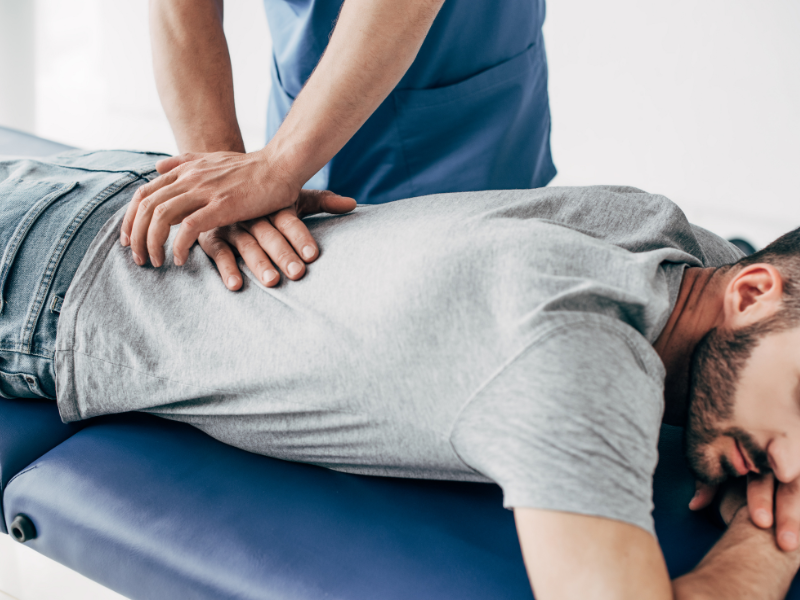
Hands-on manual therapy practiced by licensed chiropractors, osteopaths, physical therapists, and registered massage therapists involves the skilled application of targeted, passive pressure to the body’s musculoskeletal structures to restore joint play and reduce soft-tissue tension.
- Spinal Manipulation: A rapid, short-thrust technique directed at a restricted joint segment to instantly reduce localized mechanical resistance and relax surrounding hypertonic muscles.
- Spinal Mobilization: A gentler, rhythmic oscillating movement applied within a joint’s existing range of motion, ideal for acute tenderness or arthritic stiffness.
- Soft-Tissue Mobilization & Myofascial Release: Sustained, targeted pressure applied to deep fascia and muscle bands (such as the quadratus lumborum or piriformis) to break up tissue adhesions and release painful trigger points.
Beyond just adjusting your joints, hands-on therapy works directly on your nervous system. Therapeutic touch blocks pain signals from reaching your brain while triggering your body to release its own natural pain-relieving chemicals (endorphins).
3. Mind-Body Techniques
Chronic back pain is rarely just a structural issue; over time, it physically rewires how the central nervous system processes sensory information. This phenomenon, known as central sensitization, causes the brain to remain in a heightened state of alarm. Mind-body techniques work by engaging the parasympathetic nervous system and down-regulating stress responses.
- Cognitive Behavioral Therapy (CBT): CBT addresses “pain catastrophizing”, the loop where fear of pain leads to fear of movement. Re-framing how the brain interprets pain signals reduces fear-avoidance behaviours and restores confidence.
- Mindfulness-Based Stress Reduction (MBSR): Uses body scans and focused breathing to train the brain to observe pain without emotional resistance, altering pain perception at the cortical level.
- Yoga & Tai Chi: These restorative movement practices combine fluid biomechanical movement with conscious breathwork to gently load the spine, improve joint range of motion, and reduce muscle guarding caused by stress.
4. Acupuncture
How It Works: Endorphin Release & Tissue Deactivation
Acupuncture approaches back pain through both physiological neurochemistry and local tissue response:
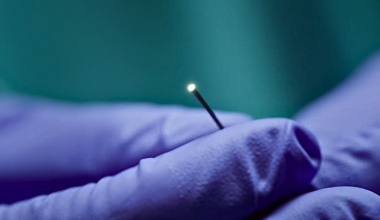
- Systemic Neurochemical Response: Thin, sterile needles inserted into specific anatomical points stimulate sensory nerve fibres beneath the skin. These fibres send signals up the spinal cord to the brain, triggering the release of endogenous opioids (endorphins and enkephalins) and serotonin to block pain pathways.
- Local Tissue Response: At the insertion site, needles create a micro-trauma that increases local blood flow, releases nitric oxide, and relaxes taut muscle bands or trigger points pulling on the lower back.
Modern medical acupuncture uses the same fine needles as traditional methods but focuses strictly on body anatomy. Instead of energy paths, practitioners place needles directly into tight muscle knots and specific nerve areas in your lower back and buttocks to calm pain.
5. Heat Therapy
How It Works: Thermal Muscle Relaxation & Increased Circulation
Superficial thermal therapy is one of the simplest yet most physiologically sound self-care tools for chronic back stiffness.
Applying warmth opens up your blood vessels, sending a rush of fresh, oxygen-rich blood straight to tight lower back muscles. This extra circulation helps wash away built-up chemical waste that irritates your nerves and causes soreness.
Heat directly calms down overactive muscle sensors, which stops deep, painful spasms. It also softens and loosens stiff tendons and ligaments, making your back feel more flexible and easier to move.
Heat vs. Ice: Use ice primarily for acute injuries or sudden flare-ups characterized by sharp, inflammatory swelling (first 24–48 hours). Use heat for chronic stiffness, dull muscular aches, and pre-exercise preparation.
6. Injections & Targeted Medical Procedures
When basic treatments like exercise or physical therapy aren’t enough, specialized spine procedures can target the exact spot causing your pain. Doctors use live X-ray imaging to guide a needle with complete precision:
- Epidural Steroid Injections: A doctor injects a strong anti-inflammatory medicine right into the space around pinched back nerves. This is most often used to treat sciatica, the sharp, shooting pain down the leg caused by a bulging or slipped disc.
- Facet Joint Injections & Nerve Blocks: Your spine is held together by small pairs of joints called facet joints. Injecting medicine directly into these joints (or around the tiny nerves that feed them) helps doctors find out if arthritis in the joints is the source of your back pain and offers temporary relief.
- Radiofrequency Ablation (RFA): If a nerve block proves that a specific joint is causing your pain, doctors can use heat created by radio waves to temporarily turn off those pain-sensing nerves. This stops pain signals from reaching your brain for about 6 to 18 months, until the nerves slowly grow back.
Back pain recovery is rarely about finding a single “magic bullet.” Combining multiple active strategies such as regular physical therapy, mindfulness, heat, and periodic manual therapy yields the most durable relief. Always consult your primary healthcare provider or a spine specialist to tailor a plan to your specific diagnosis.
Subscribe to The Health Insider newsletter for more evidence-based health tips delivered straight to your inbox.
~ Read more from The Health Insider ~
- Women’s Heart Disease Risk: The Pregnancy Connection
 New McGill risk models re-evaluate women’s heart health. Learn how pregnancy history helps you and your doctor take control of your cardiac risk.
 - 5 Health Podcasts Worth Adding to Your RotationLooking for trustworthy health advice? Discover 5 reliable, expert-backed health podcasts, including 3 great Canadian shows, to queue up next.
- New Heart Bypass Surgery Technique Helps Patients Heal FasterA Canadian-developed heart bypass technique helps patients heal faster with less pain and zero sacrifice in safety. Learn about the MIST Trial.
- Canada’s Family Doctor Shortage: Relief Is on the WayFrom new medical schools to expanded residency seats, see how every province is training the next generation of family doctors.
- The Preservatives in Your Grocery Cart May Be Raising Your Blood PressureA new study links common food preservatives in processed foods to high blood pressure. Learn which additives to avoid for better heart health.
- Could the Secret to Better Sleep Be in Your Gut?Struggling to sleep? Learn how your gut microbiome and the gut-brain axis control sleep hormones, and get simple dietary tips for better rest.






The information provided on TheHealthInsider.ca is for educational purposes only and does not substitute for professional medical advice. TheHealthInsider.ca advises consulting a medical professional or healthcare provider when seeking medical advice, diagnoses, or treatment. To read about our editorial review process click here.