
Summary
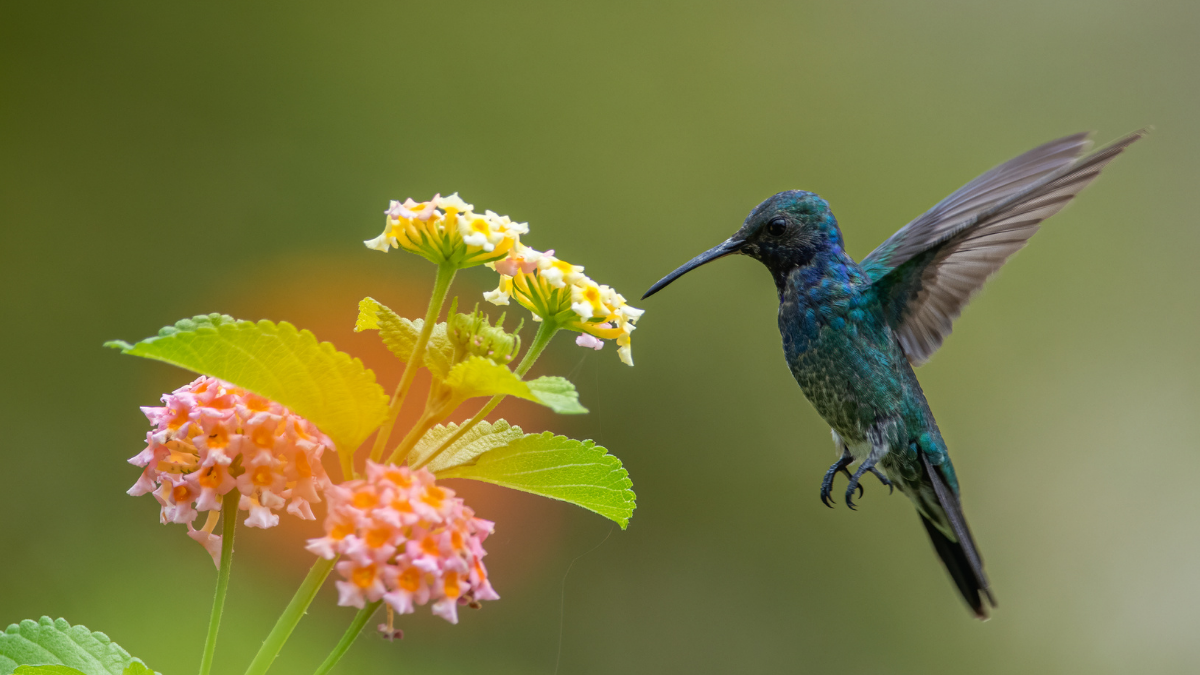
Bird watching is booming across Canada as research highlights its cognitive and mental health benefits. Studies show birding increases brain tissue density in memory networks and reduces anxiety. Supported by field apps and active local clubs, Canadians are taking to legendary natural spots to boost their brainpower and well-being.
A dear friend of mine recently found herself locked in a spirited debate with her husband. The argument? Whose favorite hobby is better for long-term health and well-being. His passion is race car driving, which is high-octane, adrenaline-fueled, and undeniably fast-paced. Hers is bird watching, which is a quiet, observational hobby spent pacing through fields with binoculars in hand.
Her playful thesis: scanning the canopy for warblers is far better for the brain than navigating a track at 150 mph and might even help keep dementia at bay. While her husband wasn’t necessarily convinced, neuroscience suggests she isn’t just winning the argument, she is backed by a growing mountain of clinical data.
Far from being a passive pastime, bird watching turns out to be a full-spectrum workout for the human brain and nervous system.
The Great Canadian Birding Boom
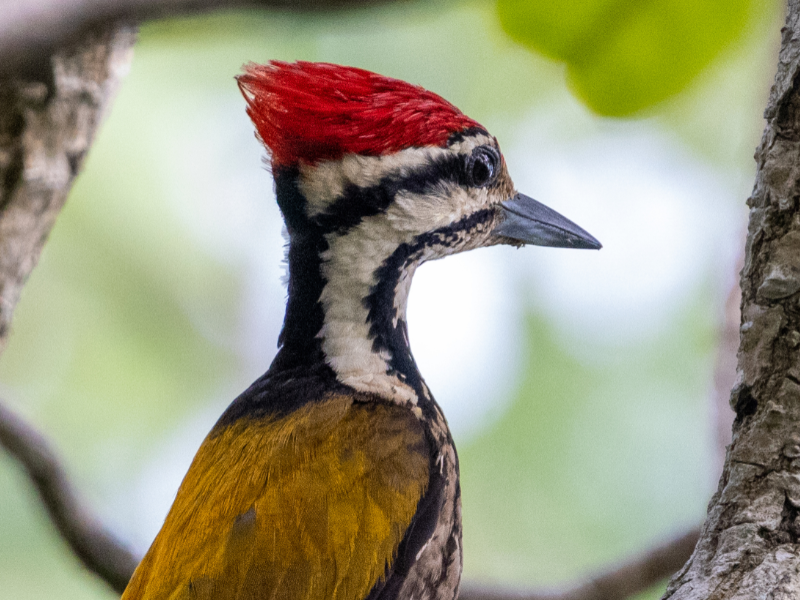
If you’ve noticed more people peering into trees with binoculars lately, you’re not imagining it. Birding has quietly become one of the fastest-growing outdoor activities across the country.
- 1 in 4 Canadian Households: According to Statistics Canada’s Households and the Environment Survey, 26% of Canadian households actively purchase seed or shelter to feed birds on their property.
- Outpacing Camping and Golf: StatsCan domestic travel data revealed that in Q2 of 2022 alone, Canadians made 2.8 million trips specifically for wildlife viewing and bird watching, a 29% surge compared to pre-pandemic levels. This trend has continued even in the post-pandemic years.
- A Record-Breaking 2025: Highlights from Birds Canada’s Great Backyard Bird Count show Canada ranking third globally in checklist submissions. Over just four days, Canadians submitted more than 26,400 eBird checklists and logged 24,000+ IDs using digital tools, documenting 247 species across every single province and territory.
The Science: How Bird Watching Rewires and Protects the Brain

What makes bird watching so uniquely beneficial for cognitive health? Two major scientific studies explain the neurological and psychological mechanics:
1. Structural Brain Changes & Cognitive Resilience
A study led by Dr. Erik Wing at Baycrest Hospital, published in the Journal of Neuroscience, compared the brains of expert birders with age-matched novices using diffusion and functional MRI.
The findings were striking: expert birders possessed greater tissue density and structural compactness in brain networks responsible for attention, visual search, perception, spatial processing, and working memory.
Birding requires complex real-time cognitive integration. You must spot subtle movement in dynamic environments, process fine-grain visual details (like feather markings or beak shape), isolate distinct audio frequencies, and instantly compare live visual inputs against an expansive mental catalog of hundreds of species.
Crucially, the study showed that these structural brain adaptations persisted into older age. Older expert birders even outperformed novices on unrelated memory tests, demonstrating that the cognitive habits built through birding help preserve neuroplasticity and build cognitive reserve as we age.
2. Reduced Anxiety, Paranoia, and Cortisol
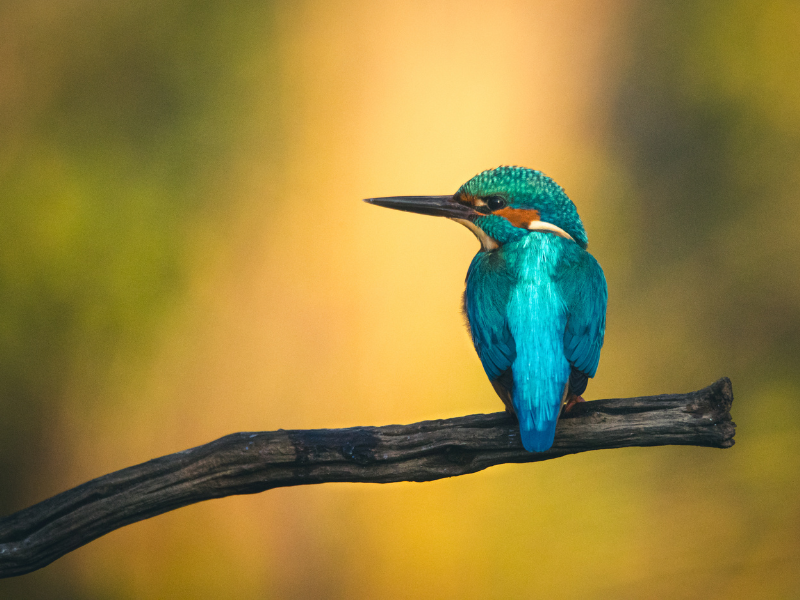
On the mental health front, a study published in Scientific Reports (Hammoud et al. / Ascone et al.) explored how natural soundscapes affect the human mind. The researchers found that listening to birdsong produced significant, lasting reductions in anxiety, depressive symptoms, and paranoia in healthy adults, whereas urban traffic noise increased depressive states.
Separate ecological surveys published in PMC/Scientific Reports revealed that a 10% increase in local bird species diversity was associated with a measurable rise in life satisfaction and self-rated mental health, comparable to a significant increase in household income.
Legendary Birding Hotspots Across Canada
Canada boasts some of the most spectacular avian migration corridors and nesting grounds on the planet. If you’re looking to plan a trip, these legendary locations belong on every bucket list:
| Region | Destination | What Makes It Legendary |
| Ontario | Point Pelee National Park | Known worldwide as the “Warbler Capital of North America.” Millions of migratory songbirds bottleneck here every spring after crossing Lake Erie. |
| Newfoundland & Labrador | Cape St. Mary’s Ecological Reserve | Stand feet away from tens of thousands of nesting Northern Gannets, Murres, and Kittiwakes crowded onto dramatic sea stacks. |
| British Columbia | George C. Reifel Migratory Bird Sanctuary | Located in the Fraser River estuary, this sanctuary hosts tens of thousands of wintering Snow Geese, raptors, and migratory shorebirds. |
| New Brunswick | Grand Manan Island | Situated in the Bay of Fundy, famous for pelagic seabird excursions, Atlantic Puffins, and offshore migratory stopovers. |
| Alberta | Banff & Kananaskis Country | Breathtaking mountain birding featuring Clark’s Nutcrackers, Golden Eagles, and elusive boreal species along alpine trails. |
| Quebec | Mingan Archipelago & Gaspé Peninsula | Home to massive colonies of Razorbills, Common Murres, and stunning coastal bird sanctuaries along the Gulf of St. Lawrence. |
Essential Apps for Your Pocket
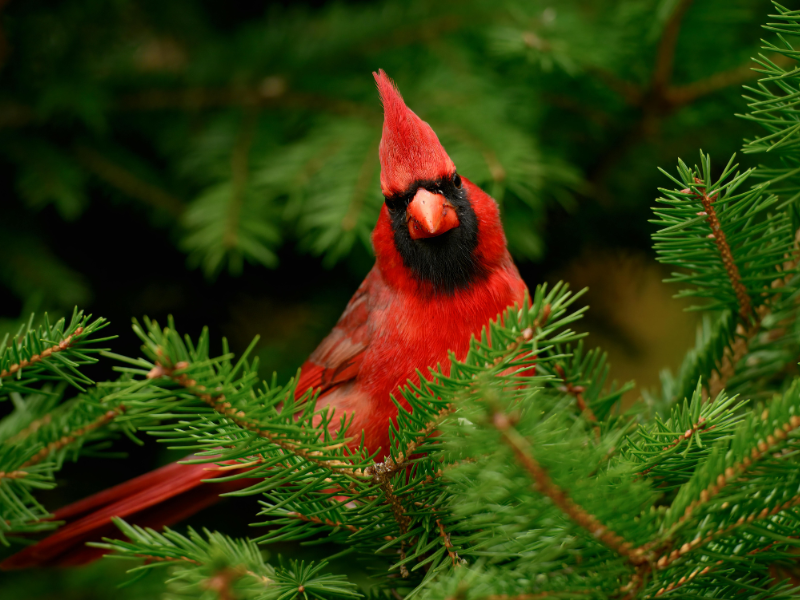
Getting started no longer requires memorizing thick field guides. Modern digital tools act as an AI-powered field guide right on your smartphone:
- Merlin Bird ID (Cornell Lab of Ornithology): The absolute gold standard. Uses machine learning to identify birds instantly from a photo or — even better — by listening to live bird songs through your phone’s microphone in real time. (Canadian usage of Merlin more than doubled during the 2025 GBBC!).
- eBird (Birds Canada / Cornell): A digital logbook where you can keep your “life list,” track sightings, and view real-time maps showing where specific birds are being spotted nearby.
- iNaturalist / Seek: Great for beginners exploring general biodiversity. Point your camera at a bird, plant, or insect to receive instant identification verified by an active online community of naturalists.
- Audubon Bird Guide: A comprehensive field guide app featuring in-depth range maps, habitat info, and high-quality audio recordings of calls and songs.
How to Get Involved: Finding Your Flock
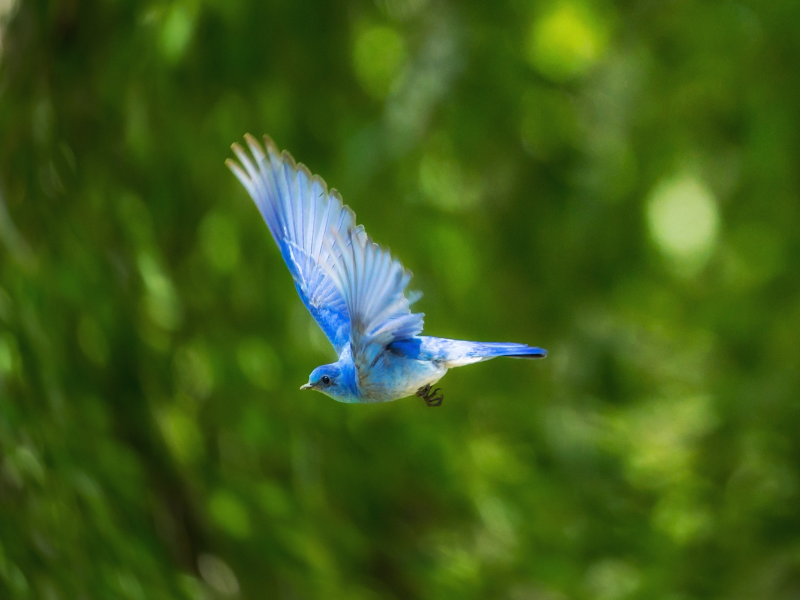
As highlighted in a feature by The Toronto Star, birding is quickly shifting from a niche hobby into a mainstream social movement across Canadian cities. You don’t need expensive equipment or remote wilderness to start — a basic pair of 8×42 binoculars and a backyard or city park are more than enough.
- Join a Local Club: Organizations like the Toronto Ornithological Club, Ontario Field Ornithologists, or your local regional Field Naturalists club host regular group walks where seasoned birders mentor beginners.
- Participate in Citizen Science: Join Birds Canada’s national initiatives like Project FeederWatch, the Great Backyard Bird Count, or the winter Christmas Bird Count. Your observations directly aid conservation biology.
- Take a Beginner Course: Birds Canada offers free online introductory modules through Birds Canada Learn (“Birding for Beginners”) to help you build foundational observation skills.
So, the next time someone asks whether sitting in nature looking for birds is worth the time: you can confidently tell them that it is re-tuning your cortex, shielding your brain against cognitive decline, and boosting your mental well-being, one song at a time.
Subscribe to The Health Insider newsletter where you’ll find many more insights – delivered straight to your inbox.
~ Read more from The Health Insider ~
- Good News for Coffee Lovers: Science Says Your Daily Cup Is Probably Doing You Good
 Is your daily coffee good for your health? Discover what recent research says about mortality, heart health, and how much coffee you should drink.
 - Top 5 Shock-Absorbing Running Shoes to Protect Your JointsSummaryDiscover the best shock-absorbing running shoes to protect your joints and improve recovery. Learn how proper midsole cushioning reduces impact forces on your feet, ankles, and hips during long road runs. Explore top-rated, comfortable footwear options from HOKA, Brooks, ASICS, New Balance, and Saucony for every stride. Running is one of the simplest ways to…
- Living Near a Golf Course May Raise Your Parkinson’s Risk, Study FindsA new study found people living within a mile of a golf course had significantly higher odds of developing Parkinson’s disease. Here’s what it means.
- IBD Is a Gut Disease. So Why Does It Start Affecting Mental Health Years Before Diagnosis?New research shows anxiety and depression often start years before an IBD diagnosis. Learn how chronic gut inflammation affects mental health.
- Fibroid Relief: New Treatments On The HorizonDiscover how groundbreaking, non-invasive treatments are restoring hope, preserving organs, and freeing women from life-altering fibroid pain.
- Canada’s Cigarette Packages Just Got a Lot Harder to IgnoreCanada has launched new graphic warnings on cigarette packs and individual sticks. Learn how these updated labels aim to reduce smoking rates.






The information provided on TheHealthInsider.ca is for educational purposes only and does not substitute for professional medical advice. TheHealthInsider.ca advises consulting a medical professional or healthcare provider when seeking medical advice, diagnoses, or treatment. To read about our editorial review process click here.


