Summary
Explore the top at-home medical devices that empower you to monitor your health. From ECGs and blood pressure monitors to pulse oximeters, glucose meters, and digital thermometers, these tools provide accurate, real-time insights so you can stay proactive and informed about your well-being.
🎁 A thoughtful gift for anyone committed to staying on top of their health.
When you buy through our links, we may earn a commission. Learn More.
The waiting room is getting smaller. Thanks to incredible advancements in consumer-grade medical technology, you no longer have to wait for your next appointment to get a clear picture of many of your vital health metrics. The latest generation of at-home health tools are accurate, connected, and designed to put the power of monitoring right into your hands.
Whether you’re managing a chronic condition, keeping a close eye on heart health, or just seeking to be more proactive about your wellness, these essential at-home devices will keep you in the driver’s seat of your personal health:
1. The Heart’s Private Investigator: Portable ECGs and Essential Diagnostics
The ability to record an ECG from your living room is changing how we track heart health. Compact, pocket-sized devices can detect certain heart rhythm irregularities like Atrial Fibrillation (AFib), Bradycardia (slow heart rate), and Tachycardia (fast heart rate). This offers valuable data when symptoms occur. While these tools don’t replace a full medical-grade ECG, they can help monitor intermittent symptoms or support existing treatment plans, complementing the data your doctor collects in the clinic.
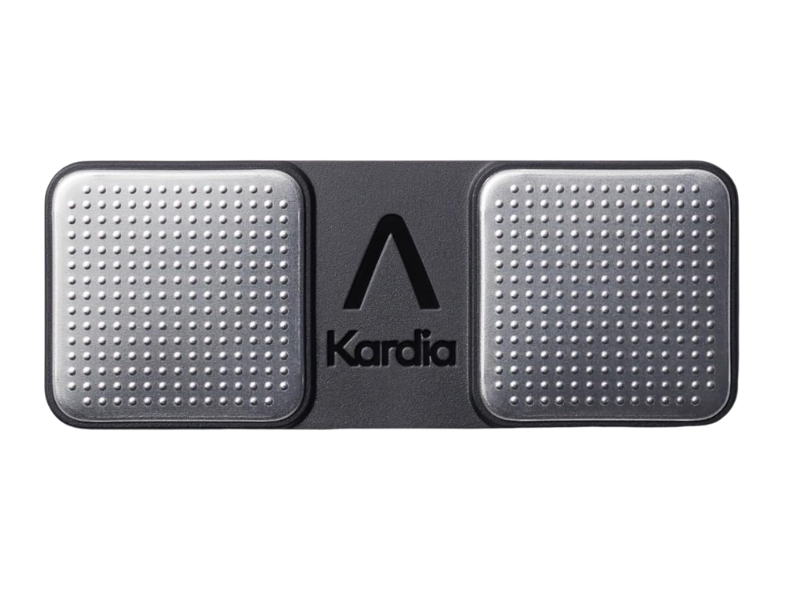
A compact, FDA-cleared personal ECG device that lets you take medical-grade heart readings anytime, anywhere. Syncs with your smartphone to track heart health and detect arrhythmias in seconds. Perfect for proactive heart monitoring at home or on the go.
2. Blood Pressure Management: Connected Cuffs for Continuous Insight
High blood pressure (hypertension) often has no symptoms, making consistent and accurate monitoring an absolute necessity. Forget the cumbersome, non-digital cuffs of the past, today’s monitors offer automatic readings and instant data logging.
For a sleek, modern, and reliable way to track your pressure, look for a smart, automatic blood pressure monitor. These devices simplify the process of monitoring by offering one-touch operation, large displays, and comfortable cuffs, automatically storing readings so you can track your trends over time and share them with your doctor as required.
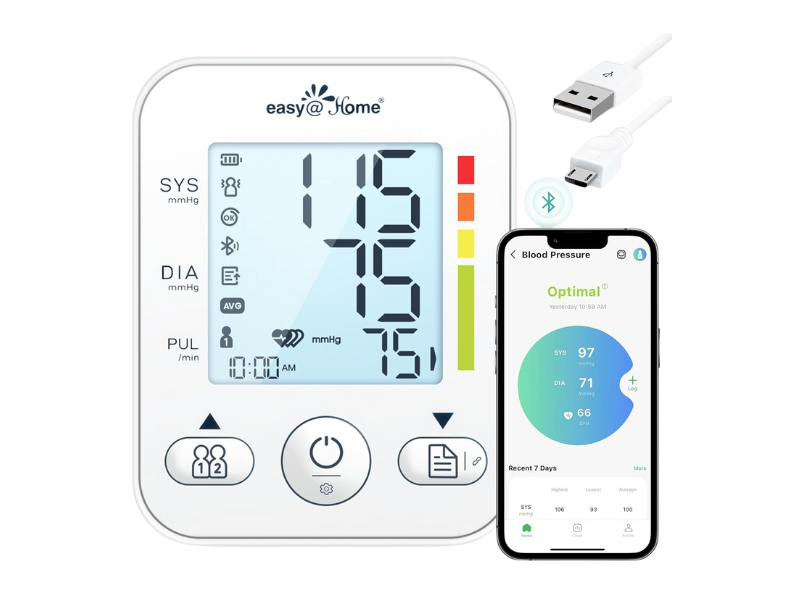
Easy-to-use digital blood pressure monitor with a large display for clear readings. Tracks systolic, diastolic, and pulse rates, making it simple to monitor heart health from the comfort of home. Ideal for daily use and health-conscious individuals.
3. Respiratory Health: The Essential Pulse Oximeter
A pulse oximeter is a small, painless device that clips onto your fingertip to measure two key metrics: blood oxygen saturation and pulse rate. Keeping tabs on your blood oxygen saturation is crucial for managing conditions like Chronic Obstructive Pulmonary Disease (COPD), asthma, or monitoring sickness, as a reading below the normal 95–100% range can be an early warning sign that something’s not right.
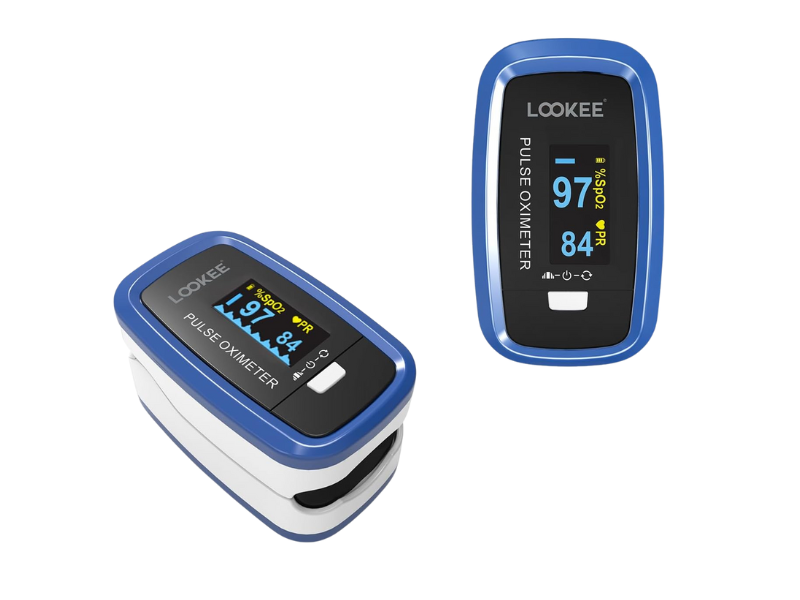
Portable fingertip pulse oximeter that measures blood oxygen saturation (SpO₂) and pulse rate instantly. Lightweight, battery-operated, and perfect for home or travel use. Helps monitor respiratory health efficiently and accurately.
4. Diabetes Management: Glucose Monitoring Meters
For those managing diabetes, keeping track of blood sugar levels is a daily priority. The glucose meter remains an essential tool, especially the new generation of smart meters that automatically log readings, connect to apps, and simplify tracking. These systems typically include a meter, lancing device, and lancets, helping you and your healthcare team monitor patterns and make informed treatment decisions.
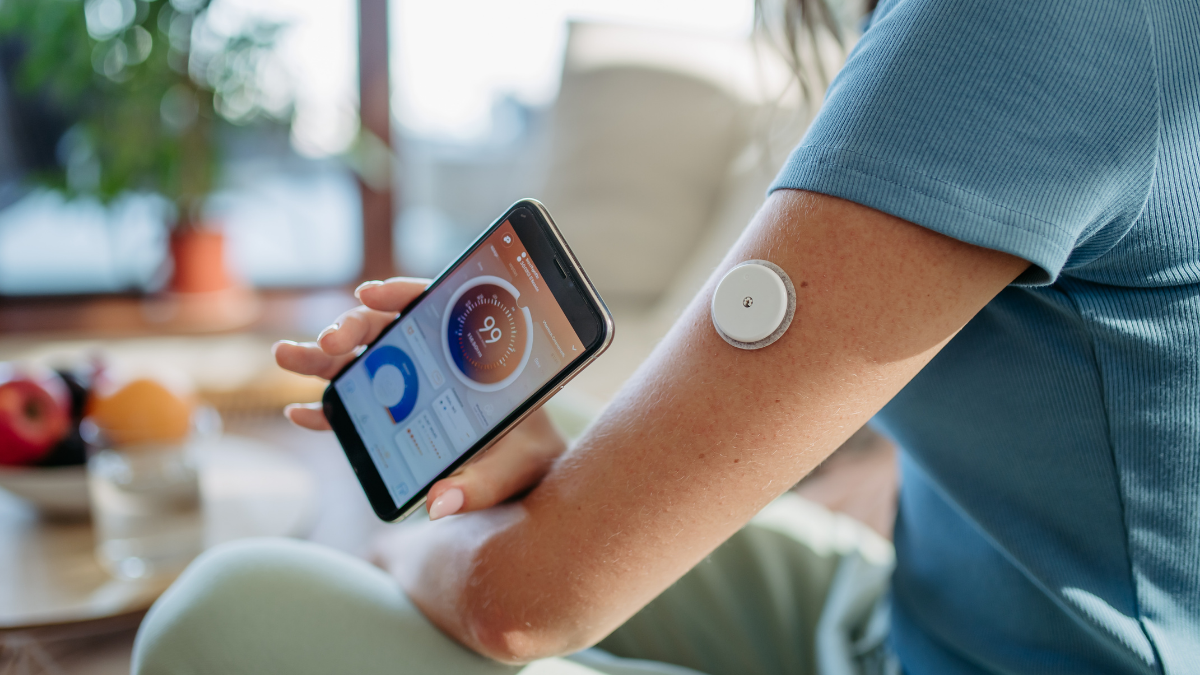
An emerging alternative is the Continuous Glucose Monitor (CGM), such as the Dexcom G7. These wearable sensors track glucose levels in real time throughout the day and night, without the need for regular finger pricks. While CGMs have some limitations and may vary depending on whether a person uses insulin, they offer valuable insights into blood sugar trends, visibility with respect to certain foods and their impact (biofeedback), and can help to reduce those sudden highs and lows.
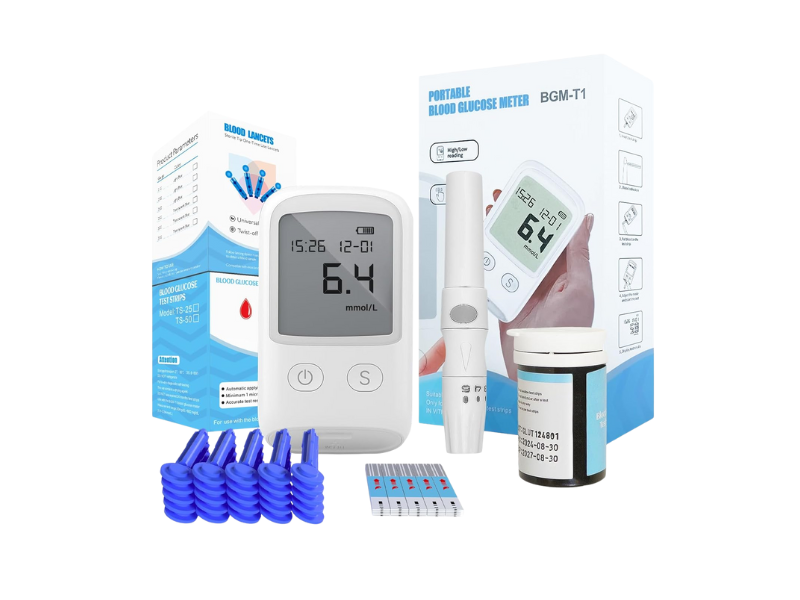
Precision lancing device with adjustable depth for comfortable blood sampling, compatible with standard lancets. A reliable tool for diabetes monitoring, making daily glucose checks quick, easy, and minimally painful.
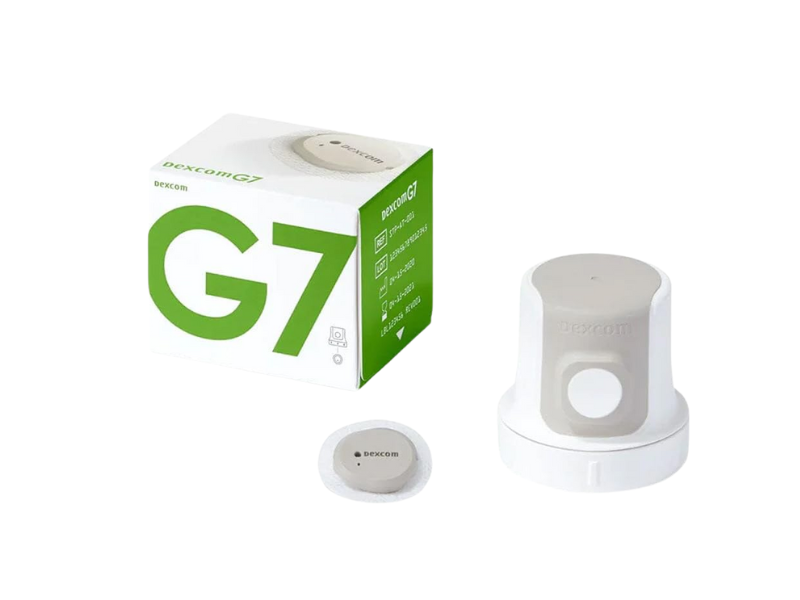
Advanced CGM sensor providing real-time glucose readings for better diabetes management. Painless application, accurate results, and seamless smartphone integration help you stay on top of your blood sugar trends.
5. Temperature Tracking & Wellness: Precision Digital Thermometers
While standard thermometers provide a quick number, specialized digital thermometers offer the precision needed for more detailed health tracking.
A Basal Body Temperature (BBT) thermometer is a specific, high-precision instrument designed to measure minute temperature changes (typically to two decimal places). This level of accuracy is essential for things like monitoring ovulation cycles, creating precise fever histories, and giving caregivers highly reliable data.
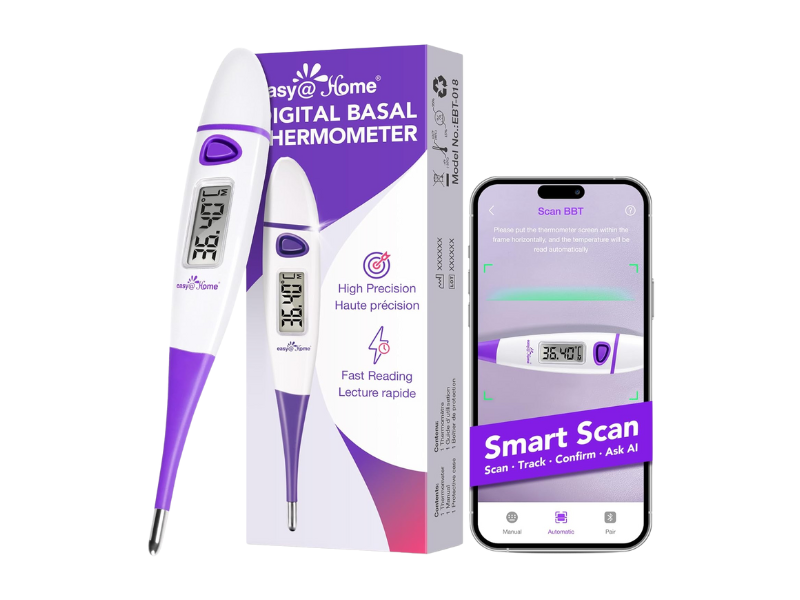
High-precision digital basal thermometer for accurate body temperature tracking. Features a fast-read display and Bluetooth connectivity to log readings conveniently on your smartphone. Ideal for fertility tracking or daily health monitoring.
Takeaway: Welcome to the age of the Informed and Proactive Patient
These aren’t simply cool devices with more bells and whistles. This is a total shift in the way we are thinking about our health. We are moving away from the passive patient to the active health consumer. We are gathering real-time data about ourselves so that we can have more informed conversations with our doctors, spot potential issues earlier, and feel a greater sense of control over our well-being.
~ Read more from The Health Insider ~
- Top 5 Shock-Absorbing Running Shoes to Protect Your Joints
 SummaryDiscover the best shock-absorbing running shoes to protect your joints and improve recovery. Learn how proper midsole cushioning reduces impact forces on your feet, ankles, and hips during long road runs. Explore top-rated, comfortable footwear options from HOKA, Brooks, ASICS, New Balance, and Saucony for every stride. Running is one of the simplest ways to…
 - Living Near a Golf Course May Raise Your Parkinson’s Risk, Study FindsA new study found people living within a mile of a golf course had significantly higher odds of developing Parkinson’s disease. Here’s what it means.
- IBD Is a Gut Disease. So Why Does It Start Affecting Mental Health Years Before Diagnosis?New research shows anxiety and depression often start years before an IBD diagnosis. Learn how chronic gut inflammation affects mental health.
- Fibroid Relief: New Treatments On The HorizonDiscover how groundbreaking, non-invasive treatments are restoring hope, preserving organs, and freeing women from life-altering fibroid pain.
- Canada’s Cigarette Packages Just Got a Lot Harder to IgnoreCanada has launched new graphic warnings on cigarette packs and individual sticks. Learn how these updated labels aim to reduce smoking rates.
- Leafy Greens Ranked For Top Health BenefitsExplore our definitive ranking of Canadian summer greens. Learn the health benefits of local arugula, spinach, chicories & more.






The information provided on TheHealthInsider.ca is for educational purposes only and does not substitute for professional medical advice. TheHealthInsider.ca advises consulting a medical professional or healthcare provider when seeking medical advice, diagnoses, or treatment. To read about our editorial process, click here.