
Summary
The 2026 CMAJ report reveals a startling paradox: while overall cancer risk is declining, the surge in preventable HPV-related cervical and throat cancers is driven by stalled vaccination rates and slow adoption of modern screening technologies.
A new study published in the Canadian Medical Association Journal (CMAJ) projects that more than a quarter-million Canadians will be diagnosed with cancer in 2026. While medical advancements have led to a steady decline in mortality for some diseases, the report sounds a concerning alarm on cancers that were once on the path to being eradicated.
The report, developed by the Canadian Cancer Statistics Advisory Committee in collaboration with the Canadian Cancer Society and Statistics Canada, highlights a disturbing trend: cervical and head and neck cancers are on the rise, despite being almost entirely preventable.
The HPV Story
Four major cancers, lung, breast, prostate, and colorectal, continue to represent about 47% of all new diagnoses. However, the true story of the 2026 data lies in the HPV gap.
HPV is a group of more than 100 different types of viruses with more than 40 types spread through sexual contact. About 75% of sexually active people will get at least one HPV infection in their lifetime. For most people, their immune system will fight the virus, and it will resolve just as a common cold does. For some though, it can lead to cancer.
Almost all cervical cancer cases are caused by HPV. Further, in Canada, about two-thirds of HPV-related cancers happen in areas other than the cervix, and are related to high-risk HPV types 16 and 18:
- 80% to 90% of anal cancers
- 40% of vaginal and vulvar cancers
- 40% to 50% of penile cancers
- 25% to 35% of mouth and throat cancers
But after years of decline, the CMAJ study reveals that cervical cancer rates have plateaued well above the World Health Organization’s elimination target. Even more concerning, incidence rates are now increasing among younger age groups. Experts point to a “perfect storm” of factors that have stalled progress:
- Plateaued Vaccination Rates: While the HPV vaccine is highly effective, uptake has not reached the levels required for “herd immunity.”
- Screening Gaps: The transition from traditional Pap tests to more sensitive HPV-based primary screening has been slow across various provinces.
- Systemic Barriers: Many individuals, particularly in marginalized communities or those without a family doctor, are falling through the cracks of the screening system.
Additionally, throat and head cancers (specifically oropharyngeal cancers) caused by HPV are on the rise in Canada. It primarily affects middle-aged men (typically 40s to 60s), with men being about 6 to 7 times more likely to develop it than women.
Preventing HPV Related Cancers
Fortunately, there are many options to prevent HPV.
- HPV Vaccination: The vaccine (Gardasil 9) protects against the most common cancer-causing and wart-causing HPV types. It is recommended for children aged 11-12 but available up to age 45. Vaccination works best before sexual activity begins, though it still provides benefits to those already active.
- Safer Sex Practices: Consistent and correct use of condoms and dental dams during vaginal, anal, and oral sex reduces the risk of transmission. However, they do not offer complete protection because HPV can be spread through skin-to-skin contact in areas not covered by the barrier.
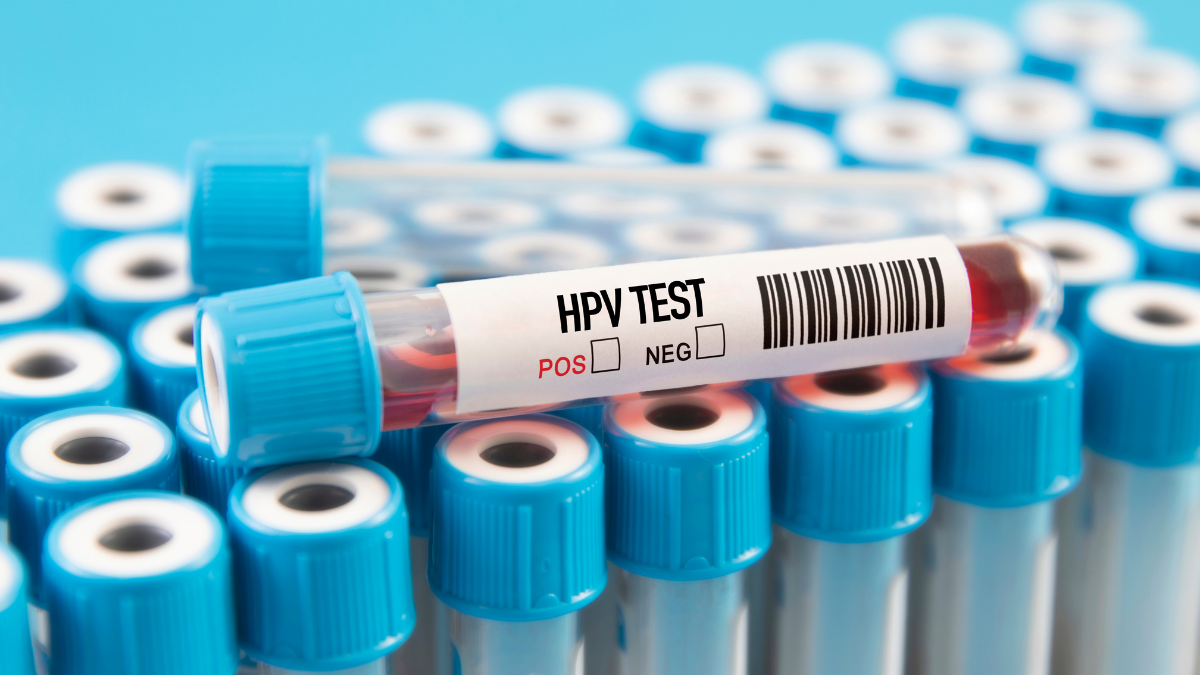
- Regular Screenings: Regular cervical cancer screenings (HPV tests) are critical for detecting abnormal cells caused by HPV early, allowing for treatment before cancer develops.
- Limiting Partners: Reducing the number of sexual partners can decrease the risk of exposure.
- Avoiding Smoking: Quitting or avoiding smoking is recommended, as it lowers the body’s ability to clear the virus.
The Canadian Partnership Against Cancer has set a goal to eliminate cervical cancer by 2040. To hit that target, the CMAJ study suggests several urgent shifts:
- Lowering Screening Ages: Moving toward earlier and more frequent HPV testing.
- Self-Screening: Implementing HPV self-sampling kits to reach people who face barriers to traditional clinic visits.
- Universal Vaccination: Strengthening school-based and catch-up vaccination programs for all genders.
Ultimately, the 2026 projections reflect a national healthcare system at a crossroads. As Canada’s population continues to evolve, the rising volume of cancer cases will demand not just more hospital beds and oncologists, but a radical shift toward proactive prevention.
By addressing the barriers to HPV immunization and simplifying access to life-saving screenings, Canada can define the next decade by the remarkable achievement of eradicating rather than managing cervical cancer. The tools are in our hands; the challenge now is to ensure they reach every Canadian.
Subscribe to The Health Insider for more evidence-based health tips.
~ Read more from The Health Insider ~
- A Canadian Study Called SHERLOCK Is Testing Whether a Blood Test Can Catch Your Cancer Coming Back
 A Canadian study is testing whether a blood test can detect cancer’s return months before any scan can. Here’s what it means for survivors.
 - Radon Is the Leading Cause of Lung Cancer in Non-Smokers and Most Canadians Haven’t Tested for ItOne in five Canadian homes may have elevated radon but only 12% have ever tested. Here’s what you need to know.
- HPV-Related Cancers Rising in CanadaDespite the promise of eradication, cervical and throat cancers are on the rise. Explore the gaps in vaccination and screening in this 2026 report.
- Colorectal Cancer Rising in Younger Adults: Experts Urge Screening at 45The Canadian Cancer Society urges governments to lower the colorectal cancer screening age to 45 as diagnoses continue rising among Canadians under 50.
- No Longer a Smoker’s Disease: Rewriting Canada’s Lung Cancer NarrativeCanada’s new Pan-Canadian Lung Cancer Action Plan aims to cut deaths by 30% by 2035.
- Canadian Cancer Clinical Trials Database Launched for Doctors and PatientsCanada launched a clinical trials database with updated, verified listings and a hotline to help patients navigate their options.




The information provided on TheHealthInsider.ca is for educational purposes only and does not substitute for professional medical advice. TheHealthInsider.ca advises consulting a medical professional or healthcare provider when seeking medical advice, diagnoses, or treatment. To read about our editorial review process click here.