
Summary
Canada’s new 2026–2035 Lung Cancer Action Plan aims to reduce deaths by 30% through earlier detection, reduced exposure to risk factors, improved equity, and more coordinated research. The roadmap challenges the stigma that lung cancer is only a smoker’s disease and outlines methods to expand screening, improve care access, and strengthen national collaboration.
For decades, lung cancer has carried a heavy burden of shame, framed almost exclusively as the disease of smokers. But a new national roadmap from the Canadian Cancer Society is aiming to change that. In its 2026–2035 Pan-Canadian Lung Cancer Action Plan, the Society sets out an ambitious goal: reduce lung cancer deaths in Canada by 30% over the next decade.
The Weight of Stigma
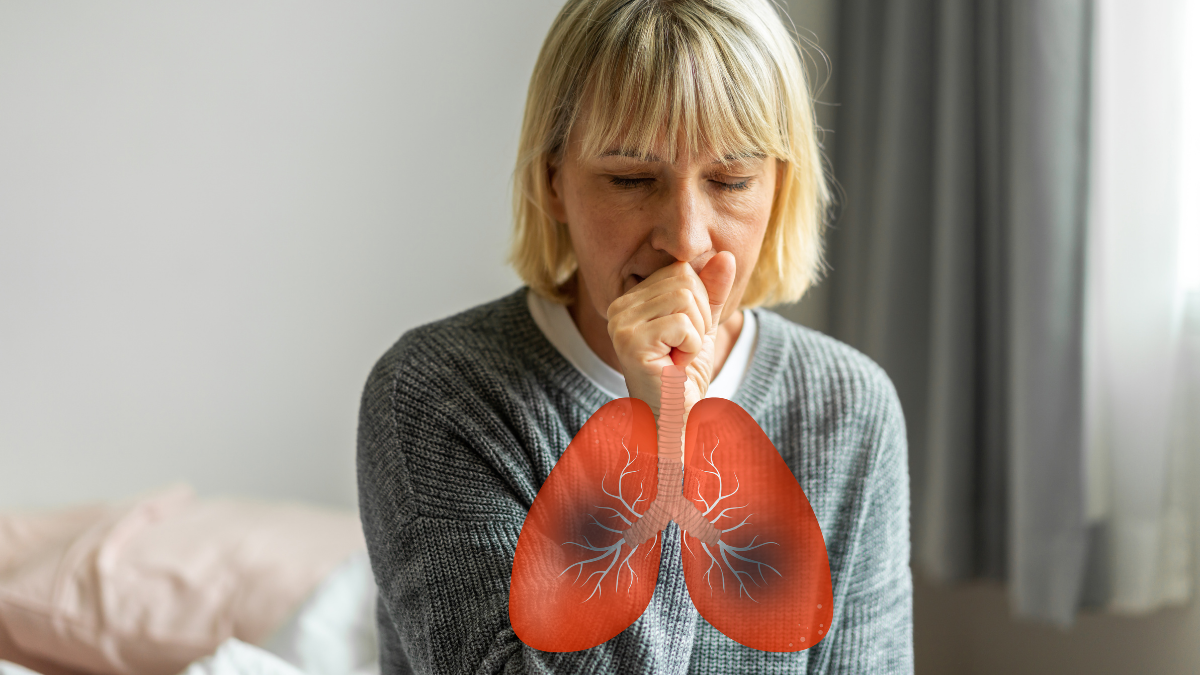
Lung cancer is the leading cause of cancer-related death in Canada, killing nearly 21,000 people in 2024. Despite advances in treatment, the disease remains deeply stigmatized, rooted in the belief that it’s a self-inflicted consequence of smoking.
Stigma doesn’t just hurt emotionally. It can delay diagnosis, discourage patients from seeking support, and even reduce research funding. The Action Plan directly calls out this “misconception that lung cancer only affects people who smoke.”
A Broader Picture of Risk
One of the most powerful shifts in the narrative: lung cancer isn’t just a smoker’s disease. According to the new plan, as many as 30% of lung cancer cases occur in people who have never smoked.
Other risk factors are increasingly recognized: exposure to carcinogenic inhalants, like radon, air pollution, and occupational hazards, plays a significant role. The Action Plan’s first strategic priority is to reduce these exposures, by strengthening tobacco control, raising awareness about risk factors, and improving air quality standards.
“Radiation oncologists witness the human toll of this disease daily and know the life-saving impact of timely, coordinated and high-quality care,” said Dr. George Rodrigues, MD PhD, President, CARO
Why Early Detection Matters — Big Time
Historically, about half of lung cancers in Canada are diagnosed at Stage 4, when the outlook is poor. But if caught early, survival improves dramatically. For non–small cell lung cancer, the 5-year net survival rate is about 62% at Stage 1, compared to only 3% at Stage 4.
That’s why the Action Plan places huge emphasis on earlier detection. It calls for expanding screening eligibility, improving access to diagnostics (especially low-dose CT scans), and boosting public awareness of screening programs.
Equity, Care, and Research: A New National Vision
The Plan doesn’t stop at detection, it also tackles who’s getting left behind. Systemic barriers disproportionately affect underserved communities: Indigenous peoples, newcomers, and those with lower socio-economic status often face delays in diagnosis and limited access to care.
To address this, the Action Plan outlines strategies to improve equitable access to “best-in-class care”: everything from patient navigation to innovative treatments and monitoring system performance.
“This Action Plan strengthens collaboration, drives innovation and ensures equitable access to world-class treatment. CARO is committed to expanding access to advanced radiation technologies, fostering multidisciplinary care and advancing research to improve outcomes for all Canadians,” said Dr. George Rodrigues.
And on the research front, the Plan calls for increased funding and coordinated national priorities, so discoveries in the lab translate more quickly into real-world impact.
Turning the Page — A Hopeful Future
More than a policy document, the Action Plan feels like a cultural turning point. It challenges entrenched myths, centers human experience, and pushes for concrete action.
The message is simple but profound: lung cancer shouldn’t be a disease that divides us into ‘deserving’ or ‘not deserving’ of care. With coordinated effort, screening, prevention, research, lung cancer deaths in Canada can and should go down.
“Together, through coordinated national action, we can transform the trajectory of lung cancer in Canada and create a future where innovation, equity and hope guide every patient’s care journey,” said Dr. George Rodrigues.
What Can We Do — As Individuals and as a Community
- Raise awareness: Talk about lung cancer risk more broadly, not just in the context of smoking.
- Advocate for screening: Support more widespread, equitable access to low-dose CT programs.
- Support research: Whether through donations, advocacy, or participation, research is vital.
- Normalize compassion: Change how we talk about lung cancer: less blame, more understanding.
To stay on top of the latest advancements in lung health, research breakthroughs, and advocacy opportunities, subscribe to The Health Insider newsletter today.
~ Read more from The Health Insider ~
- Top 5 Shock-Absorbing Running Shoes to Protect Your Joints
 SummaryDiscover the best shock-absorbing running shoes to protect your joints and improve recovery. Learn how proper midsole cushioning reduces impact forces on your feet, ankles, and hips during long road runs. Explore top-rated, comfortable footwear options from HOKA, Brooks, ASICS, New Balance, and Saucony for every stride. Running is one of the simplest ways to…
 - Living Near a Golf Course May Raise Your Parkinson’s Risk, Study FindsA new study found people living within a mile of a golf course had significantly higher odds of developing Parkinson’s disease. Here’s what it means.
- IBD Is a Gut Disease. So Why Does It Start Affecting Mental Health Years Before Diagnosis?New research shows anxiety and depression often start years before an IBD diagnosis. Learn how chronic gut inflammation affects mental health.
- Fibroid Relief: New Treatments On The HorizonDiscover how groundbreaking, non-invasive treatments are restoring hope, preserving organs, and freeing women from life-altering fibroid pain.
- Canada’s Cigarette Packages Just Got a Lot Harder to IgnoreCanada has launched new graphic warnings on cigarette packs and individual sticks. Learn how these updated labels aim to reduce smoking rates.
- Leafy Greens Ranked For Top Health BenefitsExplore our definitive ranking of Canadian summer greens. Learn the health benefits of local arugula, spinach, chicories & more.






The information provided on TheHealthInsider.ca is for educational purposes only and does not substitute for professional medical advice. TheHealthInsider.ca advises consulting a medical professional or healthcare provider when seeking medical advice, diagnoses, or treatment. To read about our editorial review process click here.