
Summary
June is Cataract Awareness Month in Canada. Since prolonged UV exposure contributes to cataracts, the leading cause of vision loss, the Canadian Ophthalmological Society urges Canadians to protect their eyes. Wearing sunglasses that block 100% of UVA and UVB rays reduces long-term sun damage, helping preserve your vision and independence as you age.
As we step into summer and the days grow brighter, it is the perfect time to remind ourselves of an essential but often overlooked aspect of summer wellness: eye health. June marks Cataract Awareness Month, an initiative championed by the Canadian Ophthalmological Society (COS) to encourage people to prioritize their vision and protect their eyes from long-term damage.
While many of us are diligent about applying sunscreen to protect our skin, our eyes require just as much defense against the sun’s powerful rays. Protecting your eyes from ultraviolet (UV) exposure is a critical step in maintaining lifelong vision. According to the COS, prolonged UV exposure is a key contributing factor to the development of cataracts.
UVA and UVB rays and your eyes
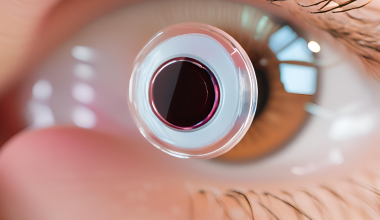
Cataracts are the leading cause of vision loss, currently affecting more than 2.5 million Canadians. They occur when the eye’s natural lens becomes cloudy, leading to symptoms like blurry vision, glare from lights, difficulty driving at night, and faded colors. While they are most common in adults over 60, the damage that causes them accumulates throughout our lives.
The good news? Preventative care is right at your fingertips, or rather, on the bridge of your nose. Investing in and consistently wearing high-quality sunglasses can significantly reduce sun damage that contributes to cataract development over time.
When shopping for eyewear, look for labels that explicitly state they block 100% of UVA and UVB rays (or offer UV400 protection). Wearing these whenever you are outdoors ensures you are blocking the harmful radiation that accelerates aging in the eye’s lens.
“Many patients do not realize how much their vision has changed until it begins affecting everyday activities like reading, driving, or recognizing faces.”
Dr. Mona Harissi-Dagher, President of the Canadian Ophthalmological Society.
This Cataract Awareness Month, let’s commit to safer habits under the sun. Grab a pair of 100% UV-blocking sunglasses before heading outside and remember to schedule regular comprehensive eye exams to catch any changes to your vision early. Your future self will thank you for the shade.
Subscribe today to The Health Insider for ongoing health tips delivered directly to your inbox.
~ Read more from The Health Insider ~
- Top 5 Shock-Absorbing Running Shoes to Protect Your Joints
 SummaryDiscover the best shock-absorbing running shoes to protect your joints and improve recovery. Learn how proper midsole cushioning reduces impact forces on your feet, ankles, and hips during long road runs. Explore top-rated, comfortable footwear options from HOKA, Brooks, ASICS, New Balance, and Saucony for every stride. Running is one of the simplest ways to…
 - Living Near a Golf Course May Raise Your Parkinson’s Risk, Study FindsA new study found people living within a mile of a golf course had significantly higher odds of developing Parkinson’s disease. Here’s what it means.
- IBD Is a Gut Disease. So Why Does It Start Affecting Mental Health Years Before Diagnosis?New research shows anxiety and depression often start years before an IBD diagnosis. Learn how chronic gut inflammation affects mental health.
- Fibroid Relief: New Treatments On The HorizonDiscover how groundbreaking, non-invasive treatments are restoring hope, preserving organs, and freeing women from life-altering fibroid pain.
- Canada’s Cigarette Packages Just Got a Lot Harder to IgnoreCanada has launched new graphic warnings on cigarette packs and individual sticks. Learn how these updated labels aim to reduce smoking rates.
- Leafy Greens Ranked For Top Health BenefitsExplore our definitive ranking of Canadian summer greens. Learn the health benefits of local arugula, spinach, chicories & more.






The information provided on TheHealthInsider.ca is for educational purposes only and does not substitute for professional medical advice. TheHealthInsider.ca advises consulting a medical professional or healthcare provider when seeking medical advice, diagnoses, or treatment. To read about our editorial review process click here.