
Summary
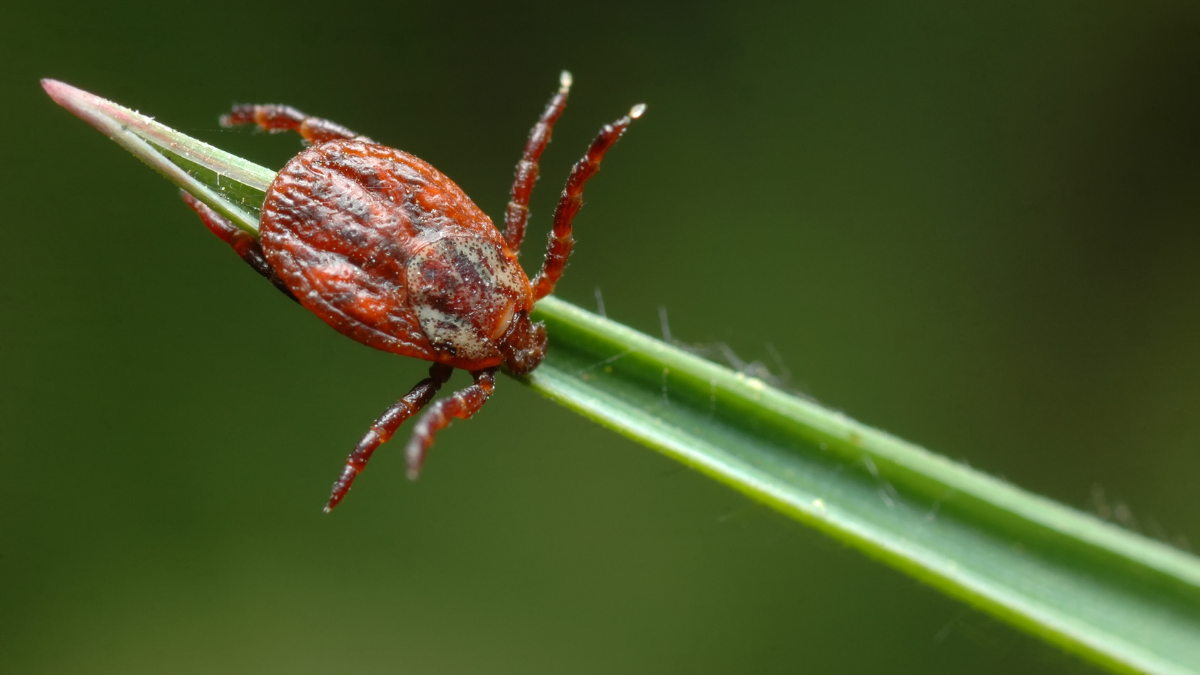
Tick season is becoming longer and more severe across Canada, driven by climate change. Case counts for Lyme disease are reaching record highs, but it isn't the only concern. Blacklegged and dog ticks are expanding their territory westward and northward, bringing rarer, serious pathogens like anaplasmosis, babesiosis, and the rapid-transmitting Powassan virus with them.
Montreal public health issued a warning this month after recording 161 Lyme disease cases in 2025, the highest count since the disease became notifiable in Quebec in 2003. Quebec-wide, 869 cases were reported between January and November 2025. And since 2024, the entire Island of Montreal has been considered at risk of tick exposure.
But Lyme disease is only part of the story. Ticks in Canada carry several other pathogens that Canadians rarely hear about, and tick habitat is expanding every year.
Why ticks are spreading
The short answer is climate change. Warmer temperatures allow ticks to survive more easily and establish in regions where they previously couldn’t, and their geographic range has been shifting northward and westward for years. Cases of Lyme disease reported in Canada increased more than sevenfold between 2012 and 2022, and there’s no sign the trend is slowing.
The tick species Canadians should know
Blacklegged tick (deer tick)
The blacklegged tick is the primary concern in most of Canada. It is established across southern British Columbia, southern Manitoba, New Brunswick, Nova Scotia, southern and western Ontario, and southern Quebec — and its range continues to grow. It can transmit Lyme disease, anaplasmosis, babesiosis, Powassan virus, and Borrelia miyamotoi disease.
Western blacklegged tick
Found in the coastal and southern interior regions of British Columbia, the western blacklegged tick can carry Lyme disease, anaplasmosis, and Borrelia miyamotoi disease.
American dog tick
Established in parts of southcentral and southeastern Canada, the American dog tick is most active in spring and summer and can transmit Rocky Mountain spotted fever and tularemia. It does not carry Lyme disease.
Beyond Lyme: the other tick-borne diseases Canadians should know
Anaplasmosis
Anaplasmosis is caused by bacteria spread by blacklegged ticks. About 1 in 35 blacklegged ticks tested in Canada’s 2022 surveillance carried the bacteria, making it more common in ticks than Lyme disease might suggest. Symptoms include fever, headache, chills, and muscle aches, typically appearing within two weeks of a bite. It’s treatable with antibiotics but can become serious if untreated.
Babesiosis
Babesiosis is caused by a parasite that infects red blood cells. Many people experience no symptoms, but for older adults, people without a spleen, or those with weakened immune systems, it can be severe. Nova Scotia reported its first human case of Powassan virus disease in 2025, a sign of how the disease landscape is shifting. Babesiosis, anaplasmosis, and Lyme disease all became nationally notifiable diseases in Canada in early 2024, reflecting growing concern about their spread.
Powassan virus
Powassan is the most serious of the tick-borne diseases found in Canada and, fortunately, the rarest. Unlike Lyme disease, which requires a tick to be attached for 24 to 36 hours to transmit, Powassan virus can be transmitted in as little as 15 minutes. There is no specific treatment. Severe cases can cause encephalitis (brain inflammation) and long-term neurological effects. In 2022 surveillance, 1 in 990 blacklegged ticks tested positive for Powassan.
How to do a proper tick check
After any time outdoors, whether hiking, gardening, or walking in long grass, a full-body tick check is essential. Ticks prefer warm, hidden areas.
Check carefully:
- Behind the knees
- In and around the ears
- Between the toes
- In the groin and armpits
- Along the hairline and scalp
- Around the waist and belly button
Check children and pets too. Showering within two hours of coming indoors can also help remove unattached ticks.
What to do if you find a tick
Remove it promptly. The longer a tick is attached, the greater the risk of disease transmission (with the exception of Powassan virus, which can transmit quickly).
Use clean, fine-pointed tweezers. Grasp the tick as close to the skin as possible and pull upward with steady, even pressure. Do not twist, crush, or apply substances like petroleum jelly or nail polish, these can cause the tick to release more fluid into the bite. Clean the area with rubbing alcohol or soap and water.
Save the tick in a sealed bag or container, many provinces have tick submission programs to help track species and pathogen spread. Then monitor for symptoms. If you develop a rash, fever, fatigue, or muscle aches within a month of a bite, see a doctor and mention the tick exposure.
How to protect yourself
- Apply Health Canada-approved insect repellent containing DEET or icaridin to exposed skin and clothing before going outdoors
- Wear light-coloured clothing (makes ticks easier to spot), long sleeves, and tuck pants into socks in wooded or grassy areas
- Stay on cleared trails where possible
- Clear leaf litter and keep grass trimmed around your home
- Talk to your vet about tick prevention for pets
What about natural repellents?
If you prefer to avoid synthetic chemicals, two natural options have meaningful scientific backing, though neither has been as extensively studied as DEET or icaridin for tick protection specifically.
Oil of lemon eucalyptus (OLE) / PMD is the most evidence-supported natural option. Its active compound, para-menthane-3,8-diol (PMD), is recommended by the CDC for tick and mosquito repellency and has been found in studies to offer protection comparable to low concentrations of DEET.
Notably, research from Acadia University in Nova Scotia, published in the Journal of Medical Entomology, found that lemon eucalyptus oil extract was effective as a fabric spray against blacklegged ticks, the very species responsible for Lyme disease in Canada. PMD-based products are widely available and generally well-tolerated, though they are not recommended for children under three.
Lemongrass essential oil is an emerging option backed by Canadian research. A study led by Acadia University researchers found that lemongrass essential oil significantly disrupts the blacklegged tick’s ability to detect human scent, effectively interfering with its primary hunting mechanism. The research was conducted in a controlled lab setting, so field performance may differ, and formulated or diluted versions should be patch-tested before use. Some essential oils can also be toxic to cats and dogs, so check with your vet before using around pets.
It’s worth noting that many other products marketed as natural tick repellents, including vitamin B supplements, ultrasonic devices, and certain plant-based sprays, lack credible scientific evidence of efficacy and are not recommended by public health authorities.
Subscribe to The Health Insider newsletter where you’ll find many more insights – delivered straight to your inbox.
~ Read more from The Health Insider ~
- Top 5 Shock-Absorbing Running Shoes to Protect Your Joints
 SummaryDiscover the best shock-absorbing running shoes to protect your joints and improve recovery. Learn how proper midsole cushioning reduces impact forces on your feet, ankles, and hips during long road runs. Explore top-rated, comfortable footwear options from HOKA, Brooks, ASICS, New Balance, and Saucony for every stride. Running is one of the simplest ways to…
 - Living Near a Golf Course May Raise Your Parkinson’s Risk, Study FindsA new study found people living within a mile of a golf course had significantly higher odds of developing Parkinson’s disease. Here’s what it means.
- IBD Is a Gut Disease. So Why Does It Start Affecting Mental Health Years Before Diagnosis?New research shows anxiety and depression often start years before an IBD diagnosis. Learn how chronic gut inflammation affects mental health.
- Fibroid Relief: New Treatments On The HorizonDiscover how groundbreaking, non-invasive treatments are restoring hope, preserving organs, and freeing women from life-altering fibroid pain.
- Canada’s Cigarette Packages Just Got a Lot Harder to IgnoreCanada has launched new graphic warnings on cigarette packs and individual sticks. Learn how these updated labels aim to reduce smoking rates.
- Leafy Greens Ranked For Top Health BenefitsExplore our definitive ranking of Canadian summer greens. Learn the health benefits of local arugula, spinach, chicories & more.






The information provided on TheHealthInsider.ca is for educational purposes only and does not substitute for professional medical advice. TheHealthInsider.ca advises consulting a medical professional or healthcare provider when seeking medical advice, diagnoses, or treatment. To read about our editorial review process click here.