
Summary
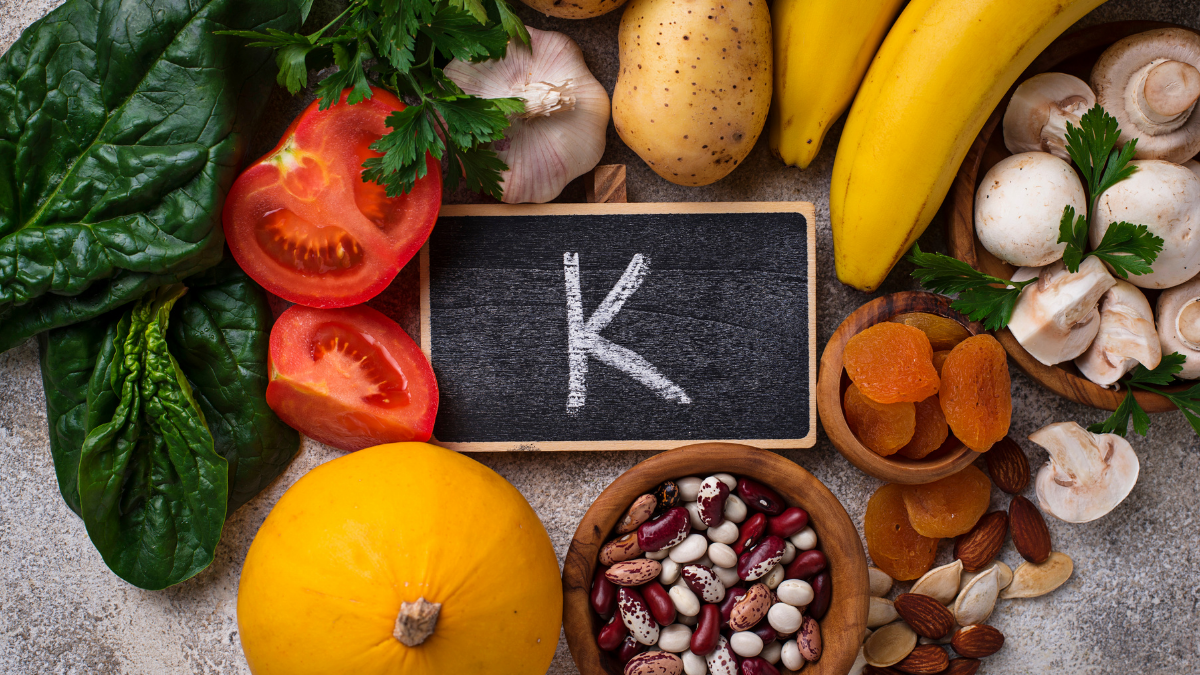
Working alongside sodium, potassium sustains the electrical gradients required to regulate heart rhythms, lower blood pressure, and power muscle and nerve functions. Because over-the-counter supplements are strictly capped at 99 mg for digestive safety, this article explores how you can get your daily 2,600–3,400 mg target through whole foods rather than supplements.
When we think about essential nutrients, vitamin C or calcium usually steal the spotlight. But there is a silent powerhouse working behind the scenes of every single heartbeat, muscle contraction, and nerve impulse: potassium.
Classified as both a mineral and an electrolyte, potassium is fundamental to human health. Yet, data from Health Canada and the National Academies indicates that over 50% of Canadian adults have dietary potassium intakes that fall below the recommended adequate intake of 3,400 mg/day for men and 2,600 mg/day for women.
Here is a deep dive into how this vital mineral keeps you alive, what happens when you run low, and how to get the perfect amount.
How potassium sparks life
To understand potassium, you must look at your cells. Potassium carries a tiny positive electrical charge. Inside your body, it works in tandem with sodium (which sits mostly outside your cells) to create a cellular battery.
A specialized mechanism called the sodium-potassium pump constantly pushes sodium out and pulls potassium in. This tiny chemical engine creates an electrical gradient across the cell membrane. This “cellular grid” powers three major systems:
- The Cardiovascular System: Potassium relaxes the walls of your blood vessels. This action lowers your blood pressure and buffers your body against the damaging effects of excess sodium (salt).
- The Nervous System: In the human body, every thought, sensation, and movement relies on nerve impulses. The shift of potassium ions across cell membranes is what allows these electrical signals to travel through your body.
- The Muscular System: Your muscles need potassium to contract and relax. Without enough of it, the communication loop between your brain and your muscle fibres breaks down.
Too little vs. too much
Because potassium regulates your body’s electrical current, keeping it in a tight balance is non-negotiable. When potassium levels dip too low, the medical term is hypokalemia. Mild deficiencies often go unnoticed but can cause subtle symptoms like muscle cramps, fatigue, and constipation.
Severe deficiency is a medical emergency usually triggered by prolonged vomiting, diarrhea, or excessive sweating rather than diet alone. Extreme muscle weakness, tingling or numbness, and a fluttering or irregular heartbeat (arrhythmia) are the red flags of low potassium.
Conversely, an overload of potassium is called hyperkalemia. For individuals with healthy kidneys, eating too many potassium-rich foods is virtually harmless because the kidneys quickly filter out the excess.
However, if someone has chronic kidney disease, the kidneys cannot clear the mineral efficiently. Potassium builds up in the blood, which can disrupt the heart’s electrical rhythm, potentially leading to a sudden heart attack.
Best food sources for potassium
The recommended daily intake for adults is typically around 2,600 mg for women and 3,400 mg for men. While bananas are famous for potassium, they aren’t the reigning champions.
A balanced diet focusing on whole, unprocessed foods is the absolute best way to hit your daily goals:
When diet isn’t enough: navigating supplements
If your daily menu leaves you short, it might seem logical to grab a supplement. However, potassium supplementation requires caution.
If you look at the supplement aisle, you will notice most over-the-counter potassium pills are strictly limited to 99 mg, a mere 3% of your daily value. The reason for this strict cap is safety: concentrated doses of potassium chloride can pose risks.
Who needs potassium supplements?
High-dose potassium supplements are generally reserved for individuals taking specific prescription medications such as loop diuretics for high blood pressure, which cause the body to flush out potassium. These are tightly managed and monitored by a doctor through routine blood work.
Food first
For the average healthy individual, food should always come first. Boosting your intake of leafy greens, root vegetables, and fish will safely charge your cellular batteries without the risks associated with pills.
If you suspect your levels are out of balance or are considering a supplement, a quick blood test ordered by your healthcare provider is the safest place to start.
Subscribe today to The Health Insider for evidence-based health tips.
~ Read more from The Health Insider ~
- Top 5 Shock-Absorbing Running Shoes to Protect Your Joints
 SummaryDiscover the best shock-absorbing running shoes to protect your joints and improve recovery. Learn how proper midsole cushioning reduces impact forces on your feet, ankles, and hips during long road runs. Explore top-rated, comfortable footwear options from HOKA, Brooks, ASICS, New Balance, and Saucony for every stride. Running is one of the simplest ways to…
 - Living Near a Golf Course May Raise Your Parkinson’s Risk, Study FindsA new study found people living within a mile of a golf course had significantly higher odds of developing Parkinson’s disease. Here’s what it means.
- IBD Is a Gut Disease. So Why Does It Start Affecting Mental Health Years Before Diagnosis?New research shows anxiety and depression often start years before an IBD diagnosis. Learn how chronic gut inflammation affects mental health.
- Fibroid Relief: New Treatments On The HorizonDiscover how groundbreaking, non-invasive treatments are restoring hope, preserving organs, and freeing women from life-altering fibroid pain.
- Canada’s Cigarette Packages Just Got a Lot Harder to IgnoreCanada has launched new graphic warnings on cigarette packs and individual sticks. Learn how these updated labels aim to reduce smoking rates.
- Leafy Greens Ranked For Top Health BenefitsExplore our definitive ranking of Canadian summer greens. Learn the health benefits of local arugula, spinach, chicories & more.





The information provided on TheHealthInsider.ca is for educational purposes only and does not substitute for professional medical advice. TheHealthInsider.ca advises consulting a medical professional or healthcare provider when seeking medical advice, diagnoses, or treatment. To read about our editorial review process click here.


