
Summary
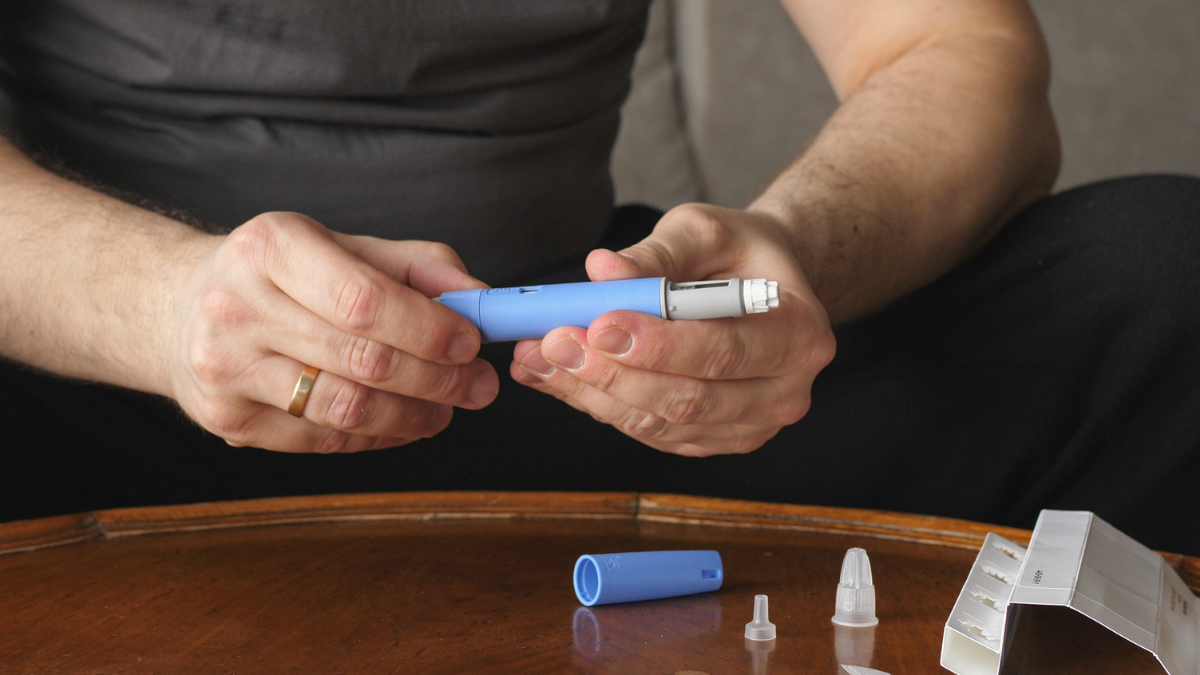
Canada has officially become the first G7 nation to launch generic Ozempic, slashing costs by two-thirds to roughly $100 a month. This life-altering price drop removes massive financial barriers for patients, preventing dangerous dose rationing and promoting long-term health. Learn how to navigate insurance changes and manufacturer savings cards at your pharmacy this month.
For Canadians who have been paying thousand of dollars a year to access their Ozempic prescription, there’s an important advancement that’s going to hit you right in the wallet – and in a good way.
Canada has officially become the first G7 nation to see highly anticipated generic versions of Ozempic hit pharmacy shelves, courtesy of domestic manufacturer Apotex and India-based Dr. Reddy’s Laboratories.
Thanks to a fascinating, perfect storm of regulatory deadlines, strict data-exclusivity windows, and a costly patent oversight by brand-name manufacturers, Canada has managed to jump six full years ahead of the United States and leads western markets in offering affordable options for patients in need.
The arrival of these alternatives has slashed baseline costs of Ozempic in Canada by roughly two-thirds. In fact, the pressure has been so intense that brand-name manufacturer Novo Nordisk was forced to instantly launch price-matching savings cards just to keep cash-paying Canadian patients from jumping ship.
For everyday Canadians who have spent the last few years rationing doses, borrowing money, or entirely abandoning their prescriptions due to “sticker shock,” this affordability shift is genuinely life-altering.
The human face of the price drop
It is easy to get caught up in the boardroom drama of multi-billion-dollar patent expirations, but the real impact of Canada’s generic semaglutide rollout isn’t happening on a corporate balance sheet. It is happening at the pharmacy counter, where everyday Canadians are finally getting a reprieve from an agonizing choice: prioritizing their physical health or their financial survival.
For the past few years, the viral popularity of Ozempic has masked a quiet crisis of affordability. While public drug plans across Canada frequently cover the drug for Type 2 diabetes, those using it off-label for chronic weight management, or those without robust private insurance, faced a steep wall.
At a baseline cost of $400 to $450 CAD per month, escalating dosages meant an escalating financial crisis. Virtual care platforms and local clinics frequently reported patients rationing their doses, stretching a one-week injection across ten days, or dropping the medication entirely. As one B.C. resident recently shared with the CBC after being forced off the drug due to rising costs: “I needed to come off of it just for the sake of being able to afford the rest of my life.”
With prices now plummeting to roughly $100 a month (experts suggest it could fall as low as $75 as supply stabilizes) that financial barrier has evaporated overnight. The floodgates have already opened; virtual care platform Felix Health reported a staggering 14-fold increase in patients seeking weight-management consultations within the first 24 hours of the generic launch.
The preventative health ripple effect
The macro-benefits of this price drop extend far beyond cosmetic weight loss. Making semaglutide accessible to the average Canadian is a massive structural win for a provincial healthcare system currently buckling under systemic strain.
Obesity and Type 2 diabetes are rarely isolated diagnoses; they are primary drivers of secondary, high-cost medical emergencies. Clinical data has repeatedly proven that sustained semaglutide treatment yields profound systemic benefits:
- Cardiovascular Protection: Clinically proven to reduce the risk of major adverse cardiovascular events such as heart attacks and strokes.
- Renal and Metabolic Maintenance: Decreases the incidence of chronic kidney disease progression and early mortality in diabetic patients.
- Systemic Savings: Every dollar saved by a patient on a generic medication can translate to thousands of dollars saved down the line for our public healthcare system, not to mention lessening the trauma, cost and disruption to the livelihood of the patient and their families.
Claiming your savings
Knowing that cheap Ozempic has arrived in Canada is one thing; navigating the logistics at your local pharmacy counter is another. Because our provincial regulations and insurance structures are highly bureaucratized, the shift from brand-name Ozempic to a generic alternative won’t look the same for everyone.
Here is exactly what you need to know to make sure you aren’t overpaying on your next refill.
Understanding formulary substitution
If you have private insurance or are covered under a provincial public drug plan, a mechanism called generic substitution is about to kick in.
When Health Canada approves generic equivalents like those from Apotex and Dr. Reddy’s, insurance companies quickly update their formularies (their lists of covered medications). To save money, insurers will typically designate the cheaper generic as the “preferred product.”
In practice, this means when you go to refill your Ozempic prescription this month, your pharmacist may automatically dispense the generic semaglutide instead. The active ingredient, safety profile, and clinical efficacy are identical. The only things that will change are the label on the box and the physical design of the injection pen.
The Prescriber Exception: If your doctor has explicitly written “No Substitution” or “Medically Necessary” on your prescription for a specific clinical reason, your pharmacy must dispense the brand name. Keep in mind, though, if your private insurer has switched to a generic-only policy, you may be responsible for paying the price difference out of pocket.
The out-of-pocket loophole: The Novo Nordisk savings card
If you are among the roughly two million Canadians who pay entirely out of pocket either because your workplace insurance doesn’t cover GLP-1 medications or because you are using it off-label for weight management, you now have choices.
Recognizing that generic competition would instantly decimate their cash-paying user base, Novo Nordisk launched an aggressive counter-strategy. The company introduced a Canadian Savings Card program specifically designed for uninsured patients.
This card automatically subsidizes the cost of brand-name Ozempic at the register, artificially forcing the price down to match the ~$100 CAD generic baseline.
3 Questions to Ask Your Pharmacist Today
To ensure you don’t leave money on the table, take these specific questions to your pharmacy counter on your next visit:
-
1
“Has my insurance provider updated their formulary to prefer the generic semaglutide yet?”
Why ask: Insurance rollouts can take a few weeks to sync across systems. If they haven’t updated, you’ll want to know the exact date the price drop takes effect for your plan. -
2
“Do you have the Apotex or Dr. Reddy’s generics physically in stock, or are they on backorder?”
Why ask: Because demand has exploded, some early inventory has faced minor supply-chain bottlenecks. If the generic is backordered, ask if they can apply the brand-name savings card in the interim. -
3
“If I stick with brand-name Ozempic, can you activate the Novo Nordisk Savings Card for me at the terminal?”
Why ask: If you prefer the familiarity of the original Ozempic injection pen, this question ensures the pharmacist applies the manufacturer discount, so you don’t accidentally pay the old $400 monopoly price.
For the millions of Canadians who can finally stop rationing their doses and start focusing on their long-term wellness, June 2026 will be remembered as a true turning point.
Subscribe to The Health Insider for more evidence-based health and wellness information delivered straight to your inbox.
~ Read more from The Health Insider ~
- Canadian Weight Loss Drugs Set to Drop in Price
 Health Canada has approved Svemia, the first generic version of Wegovy, offering a cheaper path to the popular weight loss drug.
 - Sleep Apnea: Health Canada Approves Zepbound as First-of-Its-Kind TreatmentHealth Canada has approved Zepbound® as the first medication to treat sleep apnea in adults with obesity, reducing breathing pauses by up to 50%.
- Save on Ozempic: Generic Swaps Arrive in CanadaGeneric Ozempic has arrived in Canada, slashing costs by two-thirds. Learn how this historic price drop benefits your health and wallet.
- Should You Take Berberine? What Health Canada and the Research SayBerberine is trending as “nature’s Ozempic”, but what does Health Canada actually approve it for, and is it safe to take with your medications?
- No More Needles: Canada Approves a Nasal Spray to Treat Severe Allergic ReactionsHealth Canada approves neffy®, a needle-free epinephrine nasal spray for anaphylaxis. Learn how it works and when it’s coming to Canada.
- Health Canada Warns: Think Twice Before Injecting Peptides Bought OnlineHealth Canada warns against unapproved peptide injections trending online for weight loss and anti-aging, citing serious health risks and lack of regulation.




The information provided on TheHealthInsider.ca is for educational purposes only and does not substitute for professional medical advice. TheHealthInsider.ca advises consulting a medical professional or healthcare provider when seeking medical advice, diagnoses, or treatment. To read about our editorial review process click here.


