
Summary
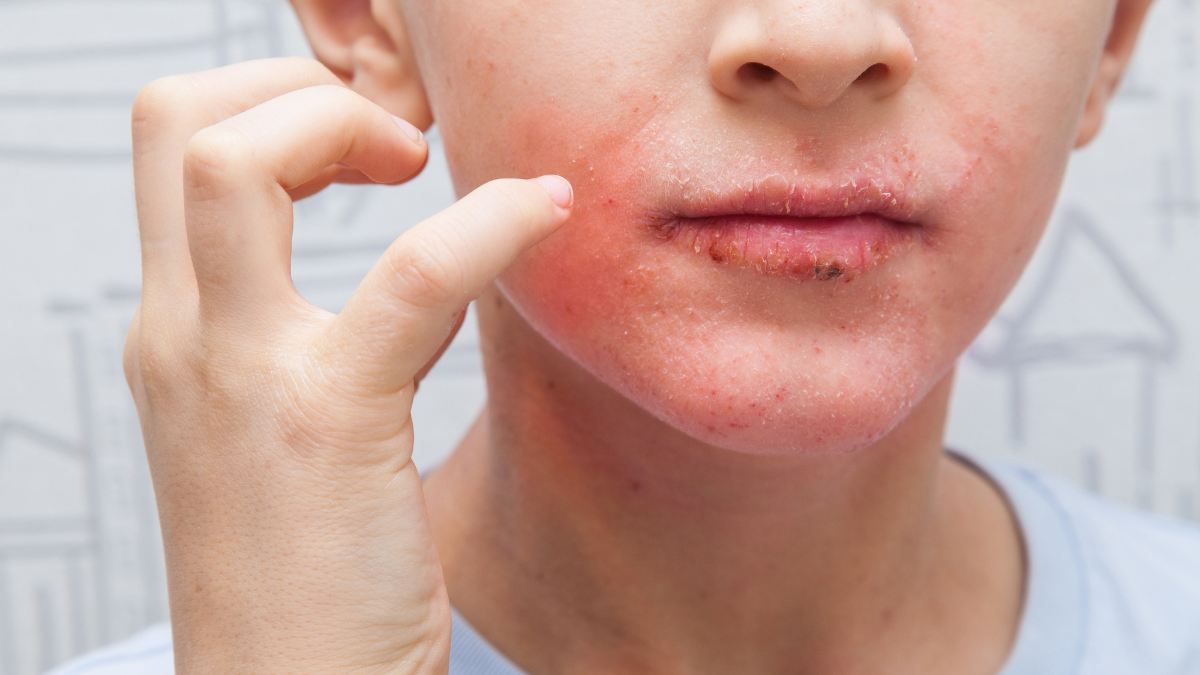
Many Canadians mistake eczema for dry winter skin. This article breaks down the key differences, explains common eczema types and triggers, and shares dermatologist-approved advice for choosing gentle skincare — including products with the Eczema Society of Canada Seal of Acceptance.
When the weather turns cold, many Canadians reach for extra moisturizer to battle dry, itchy skin. But for up to approximately 20% of Canadians, those symptoms might signal something more persistent; eczema, a chronic inflammatory condition that goes beyond seasonal dryness.
Dry Skin vs. Eczema: What’s the Difference?
While both conditions can make your skin feel tight and irritated, eczema (also called atopic dermatitis) often comes with red patches, intense itchiness and inflammation, and tends to flare repeatedly, unlike simple dry skin.
“Dry skin is just that- dry, a bit flaky, and more wrinkly looking. Everyone experiences dry skin at times. Whereas eczema is an inflammatory disorder that only certain individuals are prone to developing,” Dermatologist Dr. Lara Gunton explains.
“Complex genetic and environmental factors are at play. The impaired skin barrier allows allergens and organisms to seep into the skin which then leads to a cascade of exaggerated inflammatory signals,” she said.
Types of Eczema You Should Know
Eczema isn’t just one condition, it’s a group of skin disorders, each with its own triggers and characteristics. Understanding the type you have can help guide treatment.
- Atopic Dermatitis: The most common type, often hereditary, causing itchy, inflamed skin on the face, neck, hands, and behind the knees.
- Contact Dermatitis: Triggered by direct contact with irritants or allergens, like metals, fragrances, or cleaning products. Includes allergic contact dermatitis (immune reaction) and irritant contact dermatitis (skin damage from repeated exposure).
- Hand Eczema: Dry, cracked, inflamed skin on the hands, often worsened by frequent washing or occupational exposures.
- Nummular Eczema: Round, coin-shaped patches, often triggered by dry winter air or minor skin trauma. Often occurs on the arms and legs.
- Dyshidrotic Eczema (or Pompholyx): Small, intensely itchy blisters on the hands or feet, sometimes worsened by stress or metal exposure.
Knowing your type helps in choosing the right treatment, whether that’s avoiding triggers, using medicated creams, or adjusting your environment.
What Really Triggers Eczema Flare-Ups?
Cold, dry winter air is a common culprit. Indoor heating further reduces humidity, stripping moisture from the skin.
But environment isn’t the only factor, diet and lifestyle can also play a role. Some people notice flare-ups after eating dairy, gluten, or processed foods, though sensitivities vary widely.
According to Dr. Lara Gunton, this is an area of ongoing research that we do not fully understand.
“We know that patients with eczema often have true food allergies. Food allergies cause hives and anaphylaxis. But how much these foods contribute to eczema flares is not fully understood. I do not have a specific diet that I recommend or particular foods to avoid unless the patient has a confirmed allergy,” she said.
Stress, fragrances, and harsh soaps can also exacerbate eczema, so dermatologists recommend switching to fragrance-free, heavy cream or ointment to help restore the skin barrier.
“I generally recommend patients avoid scented products and bar soaps. I often recommend ceramide containing moisturizers and oil-based cleansers,” she said.
Look for the Eczema Society of Canada Seal of Acceptance
When managing eczema, choosing the right products is crucial. The Eczema Society of Canada (ESC) offers a Seal of Acceptance to help consumers identify skincare items that are suitable for individuals with eczema and sensitive skin. This seal serves as a trusted indicator for Canadians seeking safe and effective skincare solutions.
“This seal means the product has met rigorous standards that ensure it is safe and effective for use in patients with eczema prone skin. It is an easy way for patients to sift through the overwhelming number of products on the market and make a suitable choice,” said Dr. Lara Gunton.
New Treatment Options in Canada
For families managing pediatric eczema, there’s promising news. Health Canada recently approved Opzelura (ruxolitinib cream 1.5 %) for children aged 2 to 11 with mild-to-moderate atopic dermatitis that isn’t adequately controlled with topical therapies.
“It can be a very effective treatment in patients who have failed other topicals. Every patient is different in terms of their disease presentation, severity, treatment preferences and treatment goals. For that reason, I always welcome new therapeutic options as this allows us to better tailor treatment plans,” she said.
How to Care for Eczema-Prone Skin This Winter
- Moisturize immediately after bathing to lock in hydration.
- Use gentle cleansers instead of harsh soaps.
- Keep showers short and use lukewarm (not hot) water.
- Run a humidifier indoors to combat dry air.
- Wear soft, breathable fabrics like cotton instead of wool.
But Dr. Lara Gunton’s best advice for managing eczema is to moisturize!
“Moisturize, moisturize, moisturize! Eczema patients need to work harder in the winter months to keep their skin barrier healthy with regular moisturization. I also advise avoiding woolly, irritating fabrics and sleeping with a humidifier in the bedroom, she said.
For most people, consistent skincare and lifestyle tweaks can make a noticeable difference. But if you’re unsure whether your skin issues are simply seasonal or something more chronic, check with your healthcare provider or a dermatologist.
Because while dry skin may fade with spring, eczema deserves year-round care.
~ Read more from The Health Insider ~
- Top 5 Shock-Absorbing Running Shoes to Protect Your Joints
 SummaryDiscover the best shock-absorbing running shoes to protect your joints and improve recovery. Learn how proper midsole cushioning reduces impact forces on your feet, ankles, and hips during long road runs. Explore top-rated, comfortable footwear options from HOKA, Brooks, ASICS, New Balance, and Saucony for every stride. Running is one of the simplest ways to…
 - Living Near a Golf Course May Raise Your Parkinson’s Risk, Study FindsA new study found people living within a mile of a golf course had significantly higher odds of developing Parkinson’s disease. Here’s what it means.
- IBD Is a Gut Disease. So Why Does It Start Affecting Mental Health Years Before Diagnosis?New research shows anxiety and depression often start years before an IBD diagnosis. Learn how chronic gut inflammation affects mental health.
- Fibroid Relief: New Treatments On The HorizonDiscover how groundbreaking, non-invasive treatments are restoring hope, preserving organs, and freeing women from life-altering fibroid pain.
- Canada’s Cigarette Packages Just Got a Lot Harder to IgnoreCanada has launched new graphic warnings on cigarette packs and individual sticks. Learn how these updated labels aim to reduce smoking rates.
- Leafy Greens Ranked For Top Health BenefitsExplore our definitive ranking of Canadian summer greens. Learn the health benefits of local arugula, spinach, chicories & more.






The information provided on TheHealthInsider.ca is for educational purposes only and does not substitute for professional medical advice. TheHealthInsider.ca advises consulting a medical professional or healthcare provider when seeking medical advice, diagnoses, or treatment. To read about our editorial review process click here.