
Summary
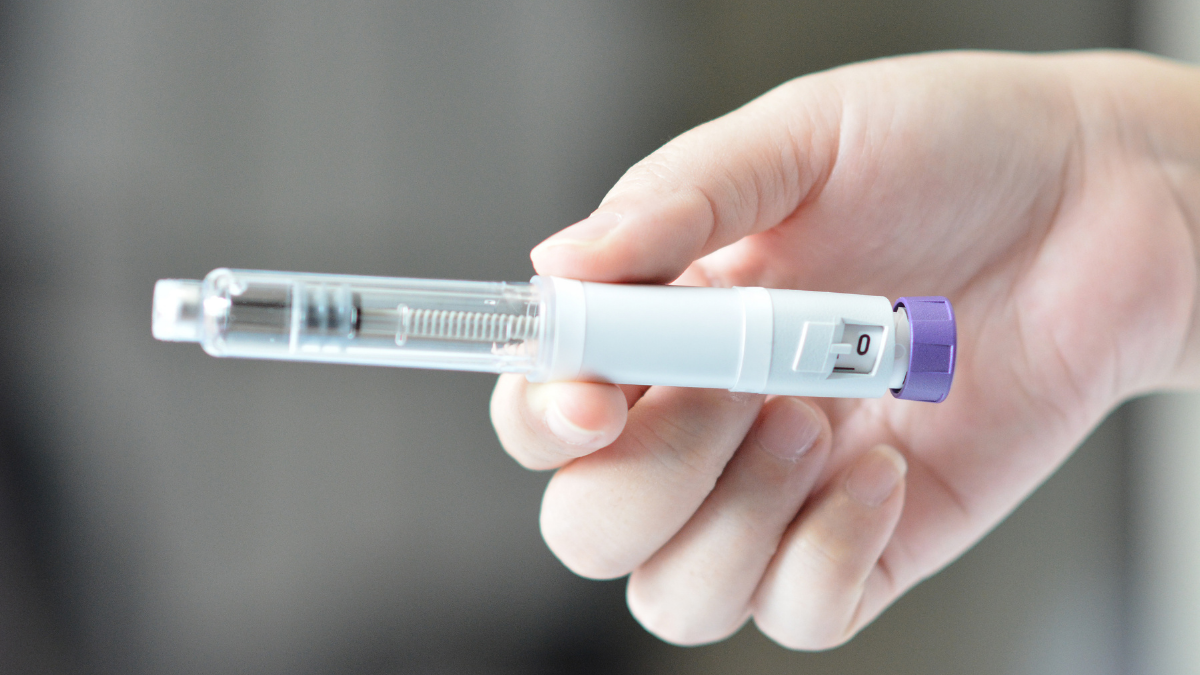
Health Canada has approved Zepbound® (tirzepatide) as the country’s first medication for moderate-to-severe obstructive sleep apnea (OSA) in adults with obesity. By targeting gut hormones to drive significant weight loss, the once-weekly injection drastically reduces nighttime breathing interruptions, offering an innovative alternative or complement to traditional CPAP therapy.
For millions of Canadians, a good night’s sleep feels entirely out of reach. They wake up exhausted, battling a fog of fatigue that disrupts their work, relationships, and long-term health. Very often, the culprit is Obstructive Sleep Apnea (OSA), a serious respiratory disorder closely tied to obesity.
Until now, the standard fix has been a CPAP machine, which many patients struggle to use consistently. But a major medical breakthrough just changed the game.
Health Canada has officially approved Zepbound® (tirzepatide injection) to treat moderate to severe obstructive sleep apnea in adults living with obesity (a BMI of 30 or greater). This marks a historic milestone: Zepbound is the first and only medication approved inCanada for this indication.
The silent toll of sleep apnea
Sleep apnea is far more than just loud snoring. It occurs when the soft tissue in the back of the throat collapses during sleep, repeatedly blocking the airway for 10 to 30 seconds at a time.
While only about 3% of Canadians have a formal diagnosis, a staggering 26% of adults report symptoms and risk factors that put them at high risk.
When your breathing stops, your blood oxygen drops, forcing your brain to briefly rouse you to resume breathing. This vicious cycle can happen dozens of times every single hour, triggering a dangerous cascade of health issues:
- Daily Life: Chronic fatigue, brain fog, severe memory lapses, and an increased risk of car crashes or workplace injuries.
- Long-Term Health: Severe metabolic disruption, worsening insulin resistance, and a significantly higher risk of type 2 diabetes, high blood pressure, heart failure, and stroke.
“Sleep disruption contributes to a cascade of metabolic effects, including worsening insulin resistance, increased hunger and cravings, fatigue, and diminished weight-loss outcomes,” explains Dr. R.J. Kamatovic, MD, of the Niagara Medical Wellness Clinic. “For many patients, these factors create a self-perpetuating cycle that can be difficult to overcome.”
Tuning into intestinal hormones
Zepbound isn’t just a sleep aid. It belongs to a cutting-edge class of medications that targets the root cause of the issue: excess weight.
It is the first authorized treatment in Canada that activates two specific gut hormone receptors: GIP (glucose-dependent insulinotropic polypeptide) and GLP-1 (glucagon-like peptide-1). Together, these hormones reduce appetite and cravings, leading to substantial weight loss, averaging up to 20% for many adults. By reducing the physical fatty tissue in the throat that causes the airway to collapse, the physical symptoms of sleep apnea drastically improve.
The data: cutting nighttime interruptions in half
The Health Canada approval stems from the groundbreaking SURMOUNT-OSA Phase 3 clinical trials. Over the course of a year, researchers tracked adults with obesity and severe OSA including those who used CPAP machines (PAP therapy) and those who couldn’t handle them.
The results were life-changing:
| Patient Group | Breathing Disruptions Saved (Per Hour) | Remission Rate (No Symptoms After 1 Year) |
| Without a CPAP Machine | 25 fewer interruptions (vs. only 5 fewer on placebo) | 42% achieved remission |
| With a CPAP Machine | 29 fewer interruptions (vs. only 6 fewer on placebo) | 50% achieved remission |
Imagine going from suffocating dozens of times an hour to sleeping peacefully through the night. For up to half of the trial participants, their sleep apnea symptoms disappeared entirely after a year on the medication.
Moving beyond stigma to access
For patient advocates, this approval represents a significant shift toward treating obesity and its related conditions as true, complex chronic illnesses, rather than personal failures.
“Too often, stigma and blame stand in the way of people receiving the care they need,” says Lisa Schaffer, Executive Director of Obesity Canada. “As science advances, we must ensure evidence-based treatments are not only available, but accessible, because innovation without access is inequity.”
Priti Chawla Karunakaran, Executive Director of Obesity Matters, echoes the human impact of the science: “This approval means more Canadians can wake up rested, present, and ready to live fully. That matters.”
If you are living with obesity and find yourself constantly exhausted or struggling with a CPAP machine, a new door has opened. Zepbound is designed to be used alongside a reduced-calorie diet and increased physical activity, prescribed once weekly under medical supervision. Talk to your healthcare provider to see if this new medical avenue is the right fit to help you.
Subscribe to the Health Insider for more evidence-based health information.
~ Read more from The Health Insider ~
- Ottawa Indefinitely Extends the MAID Exclusion for Mental Illness. Here Is What Changes.
 Ottawa has indefinitely extended the exclusion of mental illness as a sole condition for MAID. Learn what changes and what the data shows.
- Magnesium vs. Melatonin for Sleep: What Science SaysCompare magnesium and melatonin for sleep. Discover Canadian stats, expert evidence, optimal dosages, risks, and which supplement fits you.
- Women’s Heart Attacks: The Fatal Gap in Care You Need To Know AboutWomen experience heart attacks differently than men and are often misdiagnosed. Know the subtle warning signs and how to insist on sex-specific testing.
- Ontario Pays Private Clinics More. Wait Times Keep Rising.A CCPA report shows Ontario’s for-profit health clinics cost taxpayers more, increase wait times, and lead to unlawful patient fees.
- A Canadian Guide to Hip and Knee Replacement Wait ListsUnderstand how Canada’s 26-week hip and knee replacement wait list benchmark works, which stage you are in, and how to advocate for your care.
- AI Is Helping Write Medical Records. Patients Still Need to Read Them.Ambient AI scribes are writing doctor notes, but an Ontario audit found errors across vendors. Learn why reviewing medical records matters.


The information provided on TheHealthInsider.ca is for educational purposes only and does not substitute for professional medical advice. TheHealthInsider.ca advises consulting a medical professional or healthcare provider when seeking medical advice, diagnoses, or treatment. To read about our editorial review process click here.


